

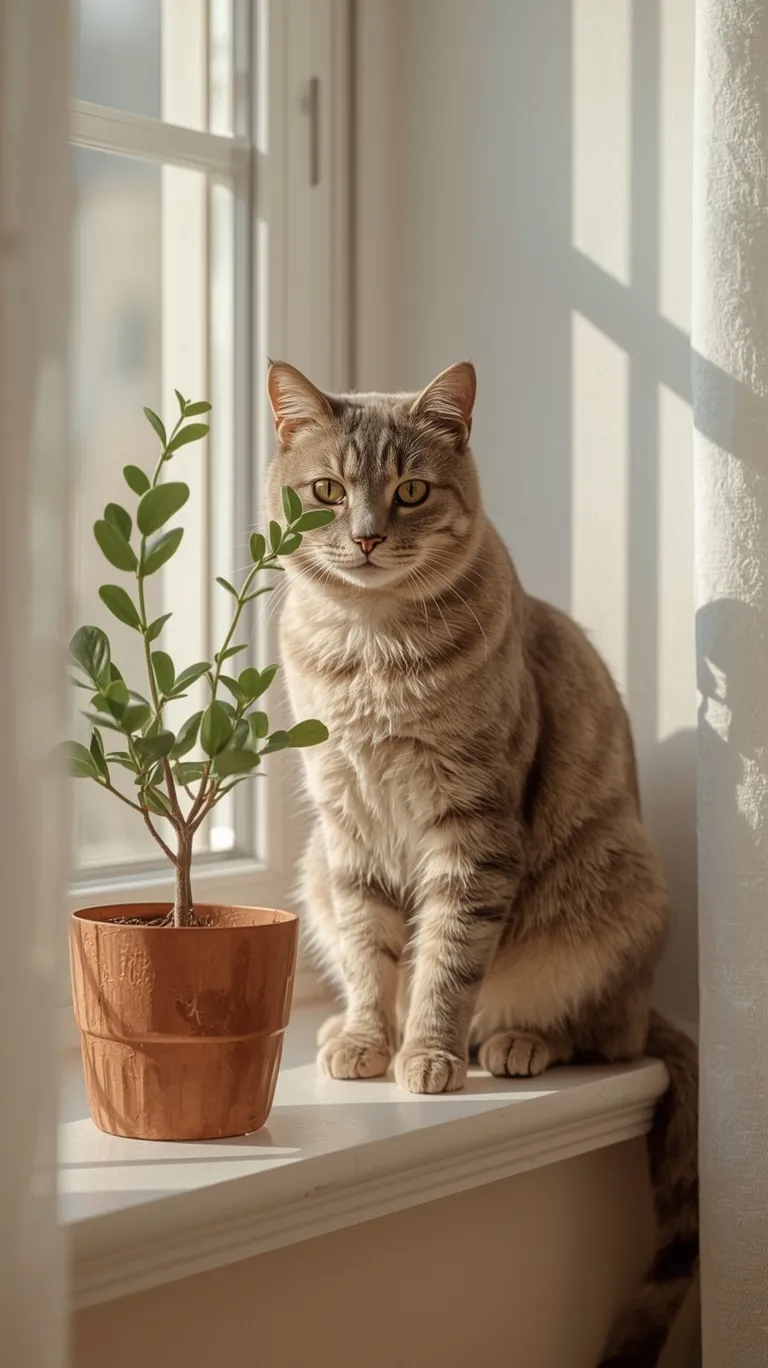
Living with cats often means sharing your home with greenery, small windowsills, and curious paws. Many cat lovers enjoy the calm look of houseplants, especially compact succulents like jade plants. But it’s completely natural to pause and wonder, are jade plants toxic to cats, especially if your cat likes to nibble leaves or explore tight corners.
The jade plant, botanically known as Crassula ovata, is a popular succulent commonly kept as a houseplant. It has thick, fleshy leaves that store water, which is why it’s often grouped with other drought-tolerant succulents. Because jade plants are frequently kept indoors, cats can easily come into contact with them through chewing or play.
Jade plants are considered mildly toxic to cats. While they are not usually fatal, chewing or ingesting jade plant leaves can cause digestive upset and neurological symptoms in some cats.
Table of Contents
Are Jade Plants Poisonous to Cats?
Yes, jade plants are considered toxic to cats. When people ask are jade plants toxic to cats, they’re usually surprised to learn that even a small bite can cause problems. Jade plants contain compounds that can irritate a cat’s digestive and nervous systems. The exact toxin isn’t fully understood, but vets have seen consistent reactions after exposure. While jade plants are not usually fatal, they are still unsafe for cats. This matters more in homes where plants sit low or near windows, making them easy targets for playful paws and curious mouths.
What Happens If a Cat Chewed on a Jade Plant?
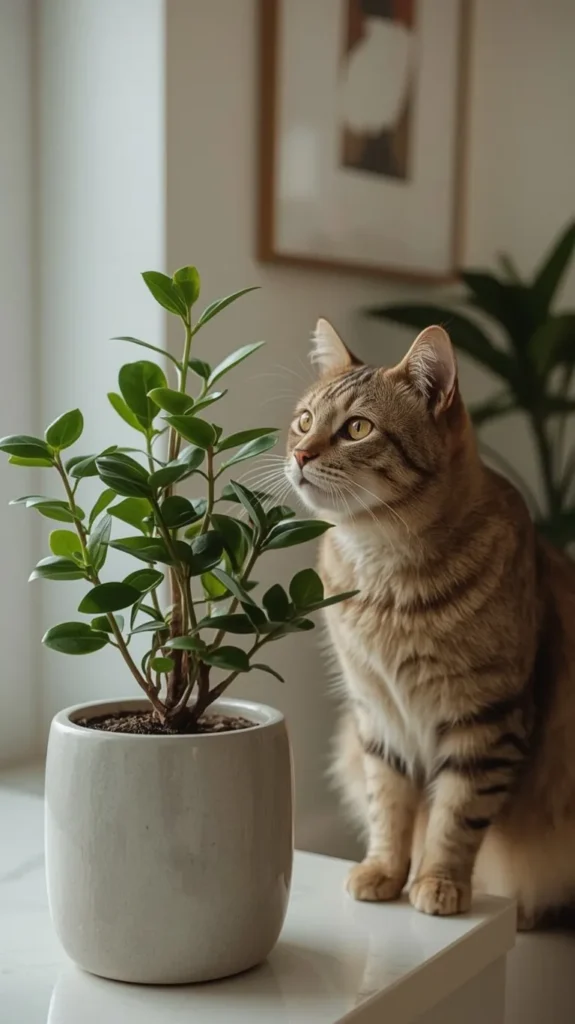
If your cat chewed on jade plant leaves, symptoms often appear within a few hours. Mild cases may involve drooling, vomiting, or a sudden lack of interest in food. Some cats seem unusually tired or unsteady on their feet. When owners ask are jade plants toxic to cats after noticing these signs, it’s often because the behavior feels “off” rather than dramatic. Cats are subtle. A quiet cat hiding more than usual can be just as important as visible vomiting. Always trust small changes in behavior.
Why Cats Are Drawn to Jade Plants
Cats don’t chew plants to be difficult. Texture, scent, and movement all play a role. Jade plants have thick, smooth leaves that feel interesting on the tongue. In small homes, plants are often placed near sunny spots where cats love to lounge. This natural overlap is why people keep asking are jade plants toxic to cats even when they’re careful. Boredom can also push cats toward plant chewing. Indoor cats especially need mental stimulation, or they’ll find their own entertainment among your decor.
Immediate Care If Your Cat Chewed on Jade Plant
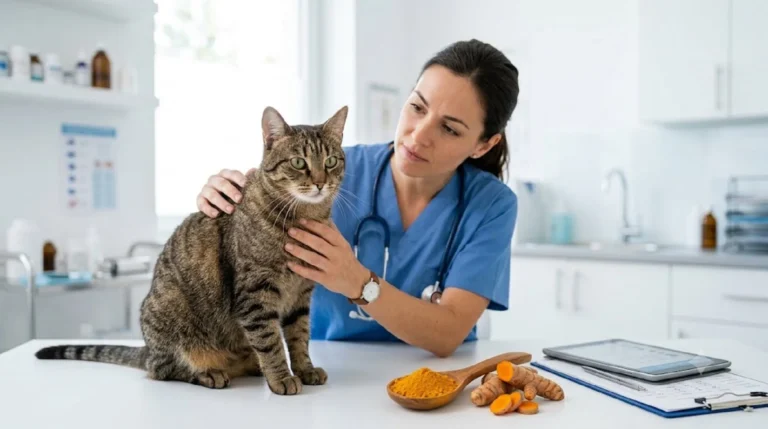
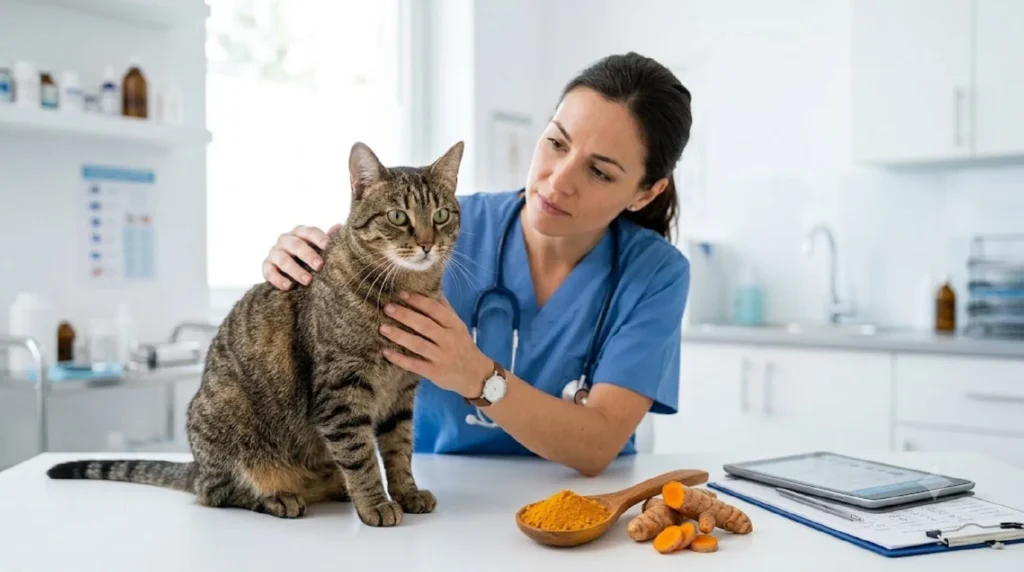
If you notice your cat chewed on jade plant leaves, gently remove any remaining plant pieces from their mouth. Rinse the mouth with clean water if your cat allows it, but don’t force anything. Offer fresh water and keep an eye on behavior. When people ask are jade plants toxic to cats in emergency situations, I remind them that quick observation matters. Avoid home remedies or human medications. If vomiting, weakness, or coordination issues appear, contact your vet or a pet poison helpline right away.
How Do I Keep Cats Away From My Jade Plant?
Many cat owners ask, “How do I keep cats away from my jade plant or carnations plants?” The most reliable answer is simple placement. Keep jade plants completely out of reach, ideally in rooms your cat doesn’t access. When discussing are jade plants toxic to cats, prevention always beats treatment. Some people try scents like citrus, which cats dislike, but results vary. Offering cat-safe grass or chew toys can redirect curiosity. A mentally stimulated cat is far less interested in sampling your houseplants.
Creating a Cat-Safe Plant-Friendly Home
You don’t have to choose between a calm green space and your cat’s safety. When thinking about are jade plants toxic to cats, it’s helpful to reframe the question toward design choices. Choose sturdy shelves, hanging planters, or plant cabinets with airflow. This keeps plants visible but protected. Cats thrive in environments that feel intentional and calm. When their climbing, scratching, and chewing needs are met elsewhere, plants become background rather than temptation.
Cat-Safe Alternatives to Jade Plants
If you love greenery, there are safer options that work well in small spaces. Spider plants, certain palms, and cat grass are commonly tolerated by cats. When clients ask are jade plants toxic to cats, I often suggest swapping them out rather than constantly worrying. A home should feel relaxed, not stressful. Cat-safe plants allow you to enjoy soft textures and natural light without watching every leaf. Always double-check plant safety, as some common varieties still carry risks.
When to Call Your Vet
Not every plant nibble becomes an emergency, but caution is wise. If symptoms last more than a few hours or worsen, call your vet. When owners ask are jade plants toxic to cats after a scary evening, they often regret waiting too long. Early advice can prevent complications and give peace of mind. Even if your cat seems fine, a quick call can help you decide the next step. Vets would rather reassure you than see a cat later with worsening signs.
A Thoughtful Way Forward for Cat Lovers
Sharing your home with a cat means balancing beauty and safety every day. Understanding are jade plants toxic to cats helps you make calm, informed choices that protect your companion without sacrificing comfort. Cats rely on us to shape their environment, especially indoors. With mindful plant placement, safer alternatives, and attention to small behavior changes, you can create a home that feels peaceful for both of you. A safe space allows your cat to explore, rest, and thrive, while you enjoy the quiet joy of living alongside a healthy, curious feline.
FAQs
Are jade plants toxic to cats?
es, jade plants (Crassula ovata) are toxic to cats. They contain compounds that can irritate a cat’s digestive and nervous system. While they are rarely fatal, even a small bite can cause vomiting, drooling, and loss of coordination. Keep jade plants completely out of your cat’s reach.
What happens if my cat eats a jade plant?
If your cat eats a jade plant, symptoms typically appear within a few hours. You may notice vomiting, drooling, lethargy, loss of appetite, and in some cases unsteady movement or loss of coordination. Remove any remaining plant pieces from their mouth, offer fresh water, and contact your vet if symptoms appear or worsen.
Is jade plant toxic to cats according to the ASPCA?
Yes. The ASPCA lists jade plants (Crassula ovata) as toxic to cats. The exact toxic compound is not fully identified, but consistent reactions in cats including digestive and mild neurological symptoms, have been documented by veterinary sources.
Is a jade plant toxic to cats if they only lick the leaves?
ven licking jade plant leaves can expose your cat to the plant’s toxic compounds. Cats groom themselves constantly, so any residue on their fur or paws from touching the plant can also be ingested later. It is best to assume any contact with a jade plant carries some risk.
Are jade plants poisonous to cats if the plant is small or young?
Yes. The size or age of the jade plant does not reduce its toxicity. Even a young or small jade plant contains the same compounds that cause reactions in cats. There is no safe variety or size of jade plant for homes with cats.
Is Crassula ovata toxic to cats?
Yes, Crassula ovata, The scientific name for the common jade plant is toxic to cats. It is also sometimes called the money plant, friendship tree, or lucky plant, but all of these refer to the same plant and carry the same toxicity risk for cats.
Are jade trees toxic to cats as well as jade plants?
es. Jade trees are the same species as jade plants (Crassula ovata) and are equally toxic to cats. Whether it is a small potted jade plant or a larger jade tree, the toxicity level is the same and the same precautions apply.
Is trailing jade toxic to cats?
Trailing jade (Senecio jacobsenii) is a different species from the common jade plant but is also considered toxic to cats. If you have any variety of plant with “jade” in the name, treat it as potentially harmful and keep it away from your cat until you have confirmed its safety with a vet.
What are the signs of jade plant poisoning in cats?
The most common signs of jade plant poisoning in cats include vomiting, drooling, lethargy, loss of appetite, and incoordination or wobbliness when walking. In mild cases, symptoms may pass on their own. However, if your cat shows any of these signs after potential jade plant exposure, contact your vet right away rather than waiting.
Are jade plants safe for cats if kept in another room?
Keeping jade plants in a separate room significantly reduces the risk, but it is not a complete guarantee of safety. Cats can access closed rooms through open doors and are skilled at reaching unexpected places. The safest approach is to keep jade plants entirely out of the home or in a fully secured space your cat cannot enter under any circumstances.
What should I do if my cat chewed on a jade plant?
First, remove any remaining plant material from your cat’s mouth gently. Rinse their mouth with clean water if they allow it. Do not give any home remedies or human medications. Monitor closely for symptoms like vomiting, drooling, or unusual tiredness. If any symptoms appear or if you are unsure how much was eaten — call your vet or the ASPCA Animal Poison Control Center immediately.
What are cat-safe alternatives to jade plants?
If you love the look of succulents and compact houseplants, there are several cat-safe alternatives. Haworthia (zebra plant), spider plants, Boston ferns, and cat grass are all commonly recommended as non-toxic options. Always verify any new plant against the ASPCA’s toxic plant database before bringing it into a home with cats.




5 Responses