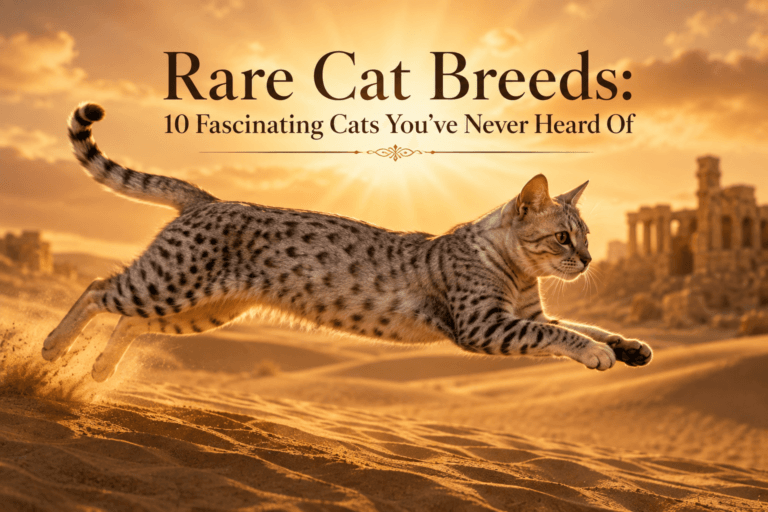

A rare cat breed rarely shows up in everyday conversation, yet some of the most fascinating cats in the world fall into this category. While a Persian or a Maine Coon needs no introduction, breeds like the Sokoke or the Korat stay unfamiliar to most people simply because so few of them exist.
This guide walks through 10 genuinely rare cat breeds, why each one stayed uncommon, and what makes them worth knowing about, whether you’re reading from the UK, the US, or Australia. Some trace back to a single wild population, others to one unexpected litter that changed everything.
What Actually Makes a Cat Breed Rare
Not every uncommon looking cat qualifies as a genuinely rare cat breed. True rarity usually comes down to population size, not just how unfamiliar a breed seems. A cat can look unusual and still be fairly common within breeding circles, while a plainer looking breed might have only a few hundred registered cats worldwide.
Three things typically explain why a breed stays rare. It may have started from a single spontaneous mutation, meaning every cat traces back to one unusual kitten. It may come from a small, isolated wild population that only recently entered organized breeding. Or it may simply have low public demand, keeping breeder numbers small even decades after recognition.
10 Rare Cat Breeds and What Makes Them Unique
1. Sokoke
The Sokoke is often named the rarest cat breed in the world, and its backstory explains why. This breed developed naturally along the coast of Kenya, living wild long before anyone attempted organized breeding. Its marbled, tabby-like coat works as natural camouflage, and the breed still carries a distinctive tiptoe gait in its hind legs today.
2. LaPerm
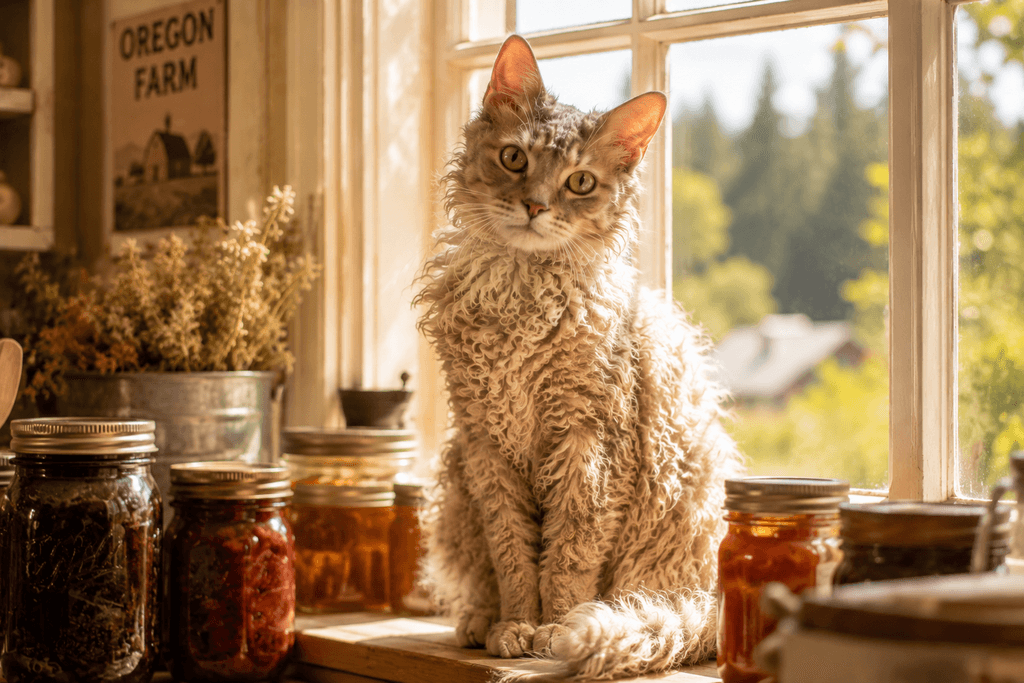
Every LaPerm alive today descends from a single curly-coated kitten born on an Oregon farm in 1982. That one spontaneous mutation created an entirely new coat texture, and because the breed started from just one cat, it has taken decades to build a wider, still fairly small, breeding population.
3. Korat
Native to Thailand, the Korat carries a solid silver-blue coat and a long cultural history as a symbol of good luck. Traditionally, Korats were rarely sold and mostly given as wedding gifts, a custom that kept the breed’s global numbers unusually low for generations.
4. Egyptian Mau
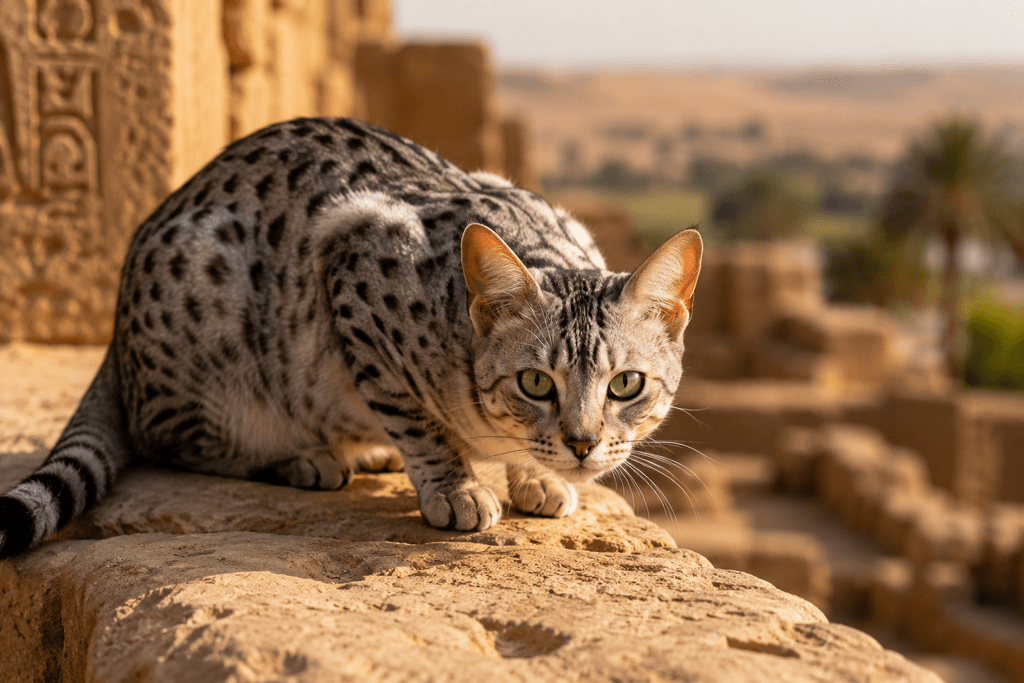
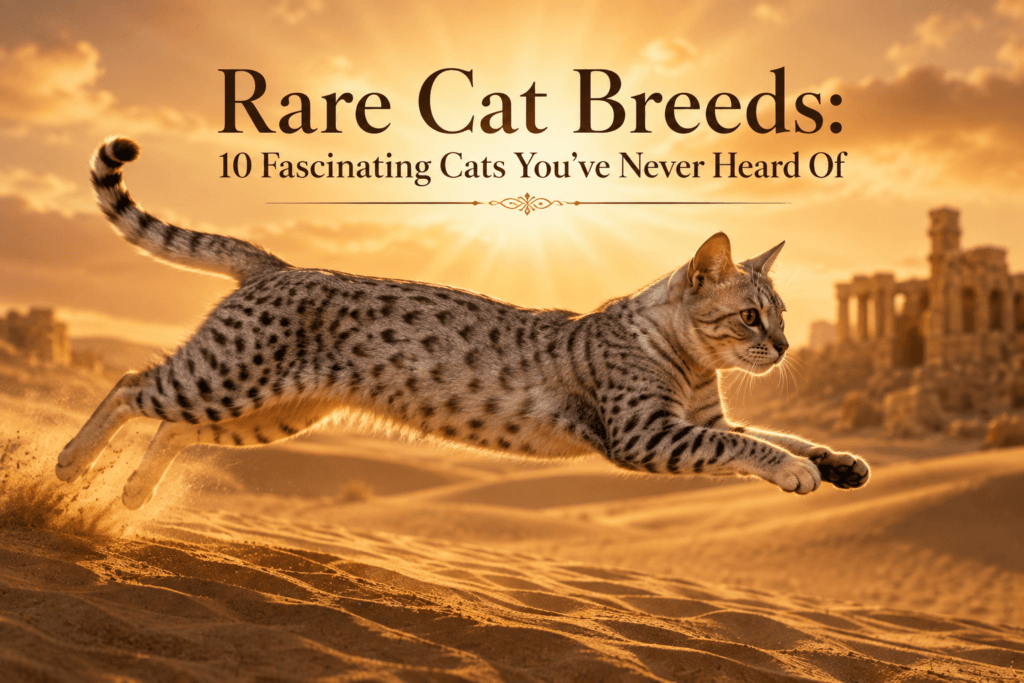
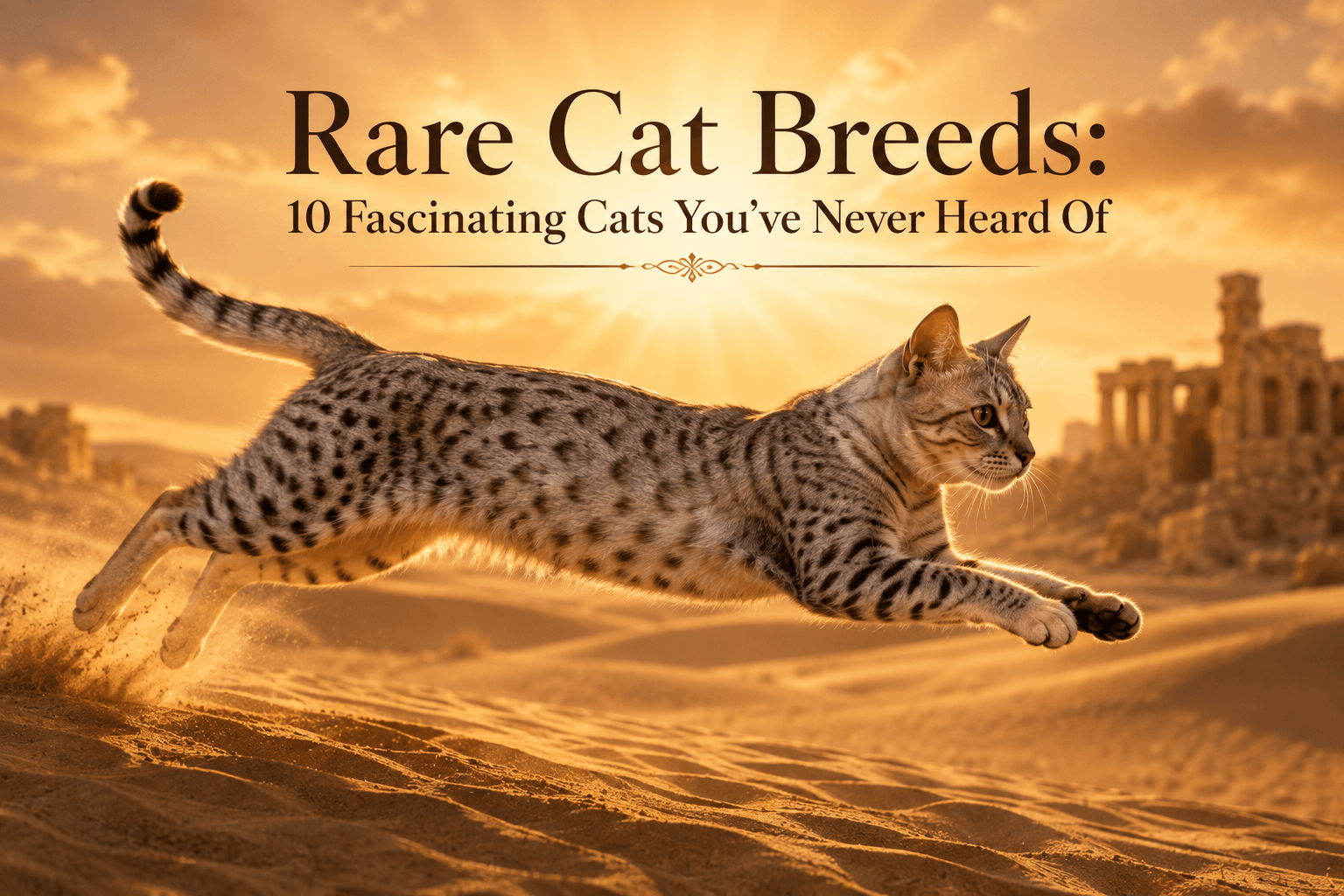
The Egyptian Mau holds the title of fastest domestic cat breed, capable of running close to 30 miles per hour, and it’s also one of the only naturally spotted cats in the world. Despite that striking combination, the breed’s global population remains small, largely confined to dedicated breeding programs.
5. Kurilian Bobtail
This naturally occurring breed developed its short, pom-pom style tail on the remote Kuril Islands between Russia and Japan, without any human intervention. Kurilian Bobtails mature slowly, often not reaching full size until around five years old, and breeders outside their home region remain genuinely hard to find.
6. Burmilla
The Burmilla exists because of an accidental pairing in 1981, when a Burmese and a Chinchilla Persian crossed unexpectedly, producing a shimmering, silver-tipped coat unlike anything either parent breed had. It’s more established in the UK than elsewhere, though it still qualifies as an unusual cat breed even among experienced owners.
7. American Wirehair
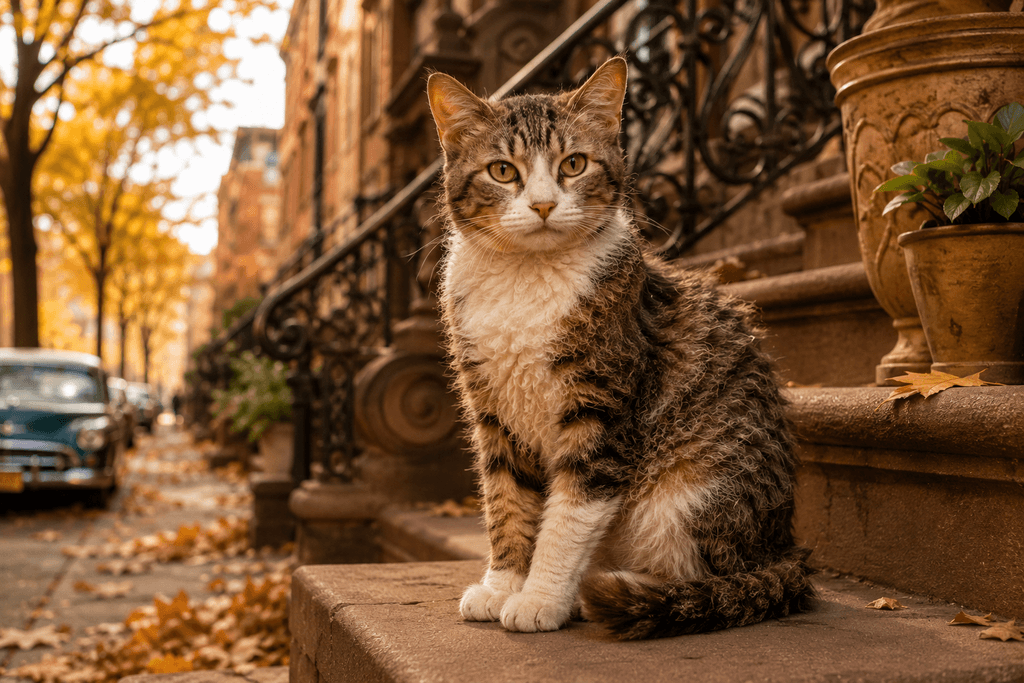
A single spontaneous mutation in a 1966 New York litter gave the American Wirehair its distinctly coarse, springy coat, a texture found nowhere else in the cat world. Even within the US, its country of origin, this remains one of the least commonly seen recognized breeds today.
8. Minskin
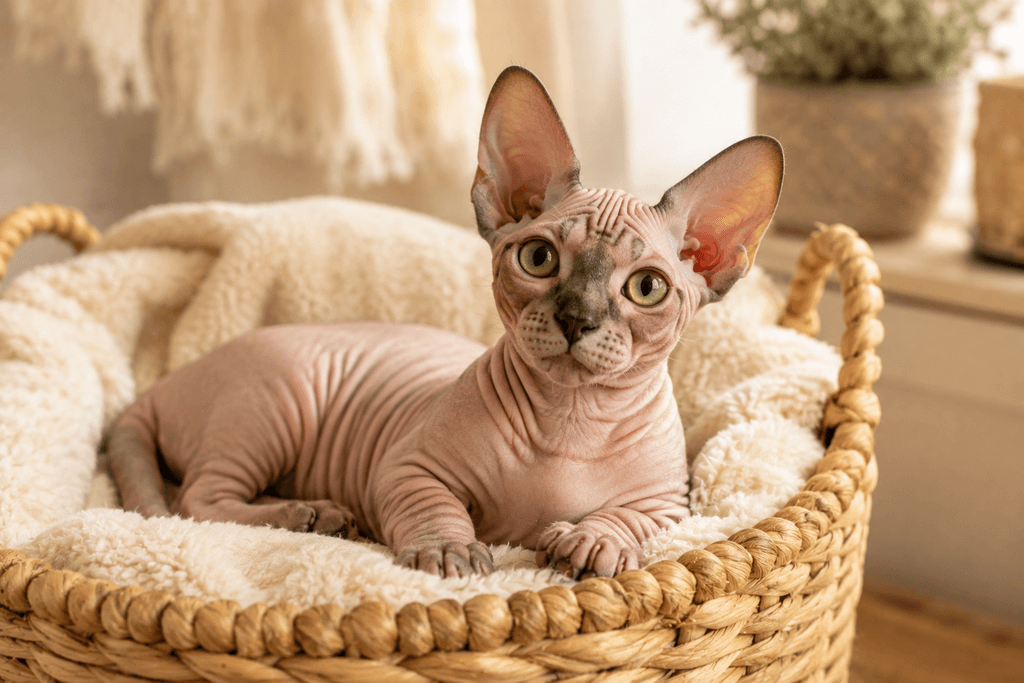
The Minskin combines two already uncommon traits into one genuinely rare cat breed, crossing the hairless Sphynx with the short-legged Munchkin. The result is a small, mostly hairless cat with an unmistakable, one-of-a-kind silhouette that few breeders currently work with.
9. Serengeti
Bred to resemble a wild serval without any actual wildcat ancestry, the Serengeti came from crossing a Bengal with an Oriental Shorthair. The breed is still young, recognized only since the late 1990s, which keeps its numbers considerably smaller than more established spotted breeds.
10. American Bobtail
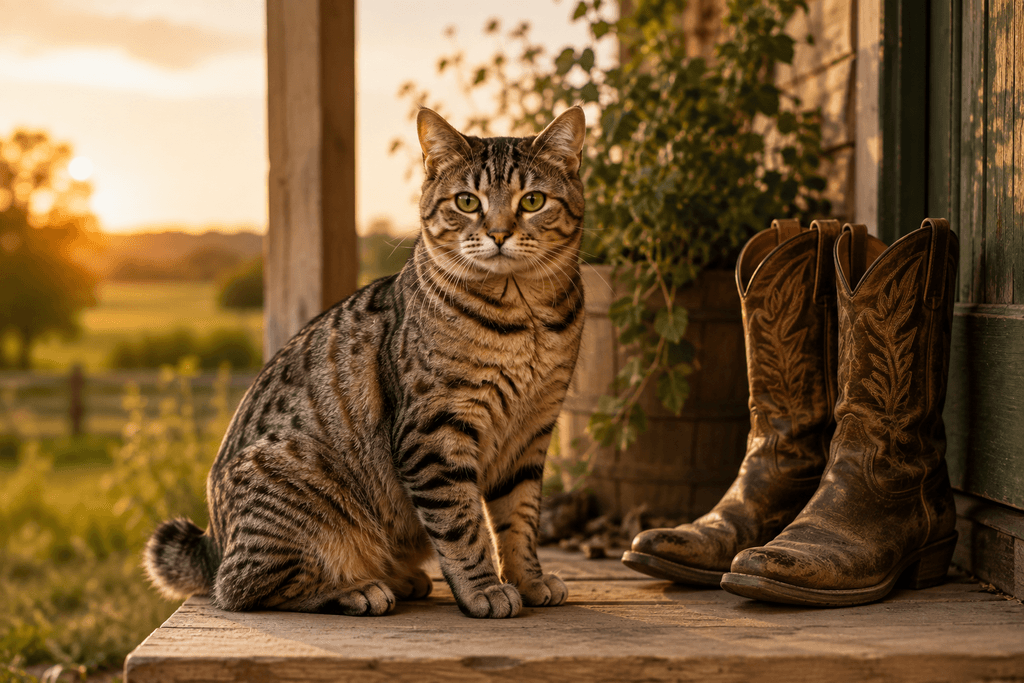
Known for a confident, dog-like personality, the American Bobtail developed its short tail through a natural mutation discovered in the 1960s. Even after decades of recognition, it remains one of the more obscure breeds on most major registries, with relatively few active breeders.
Rare Cat Breeds at a Glance
| Breed | Origin | Signature Trait | Why It’s Rare |
|---|---|---|---|
| Sokoke | Kenya | Marbled wild coat | Small wild-origin founding population |
| LaPerm | United States | Curly coat | Descends from a single 1982 mutation |
| Korat | Thailand | Silver-blue coat | Historically given as gifts, not sold |
| Egyptian Mau | Egypt | Natural spots, speed | Small global breeding pool |
| Kurilian Bobtail | Kuril Islands | Pom-pom tail | Remote origin, slow maturity |
| Burmilla | United Kingdom | Silver-tipped coat | Born from an accidental 1981 cross |
| American Wirehair | United States | Wiry coat | Single mutation, few breeders |
| Minskin | United States | Short, hairless body | Cross of two already rare breeds |
| Serengeti | United States | Wild serval look | Recently developed, small numbers |
| American Bobtail | United States | Short tail, trainability | Established but low awareness |
Are Rare Cat Breeds Harder to Own?
Choosing a rare cat breed usually means a longer search, a higher price tag, and often a waitlist with a specialist breeder rather than a quick local adoption. It’s worth budgeting extra time for research here, since fewer breeders also means fewer options to compare when it comes to health testing and genetic background.
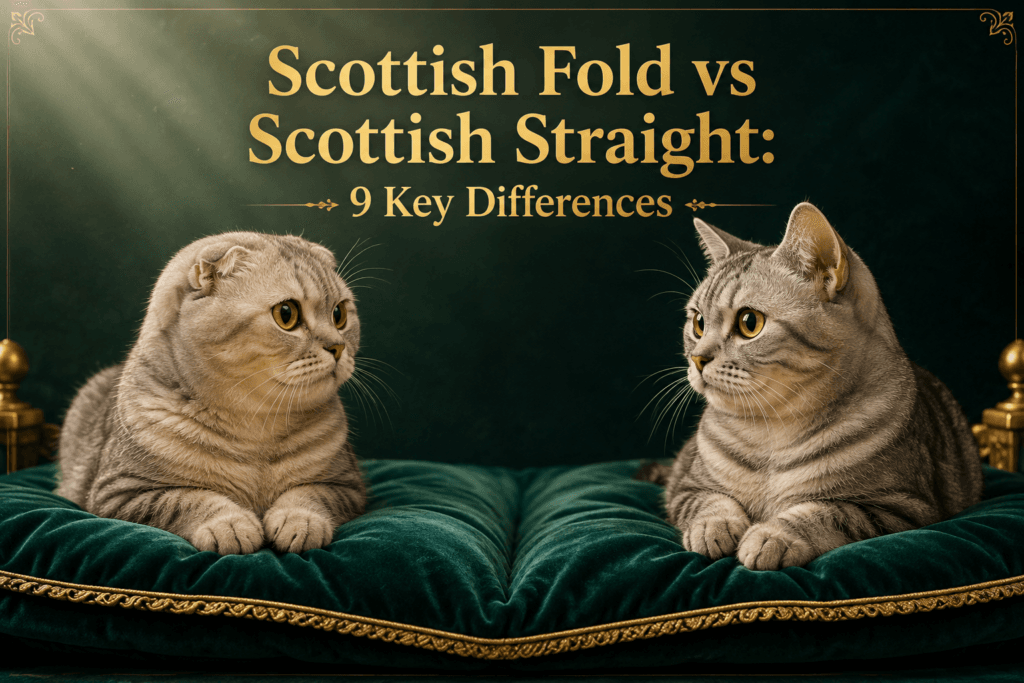
Small founding populations can also mean a narrower gene pool, so asking breeders directly about health screening matters more with these breeds than with a widely established one. This is similar to the kind of due diligence we recommend in our Scottish Fold vs Scottish Straight comparison, where breeding practices directly affect long term health outcomes.
Day to day, most rare cat breeds behave like any other cat once settled in. Temperament generally comes down to the individual and the parent breeds involved, not rarity itself, so a Minskin or Serengeti won’t necessarily be harder to care for than a common shorthair.
Frequently Asked Questions
1. What is the rarest cat breed?
The Sokoke is widely regarded as the rarest cat breed in the world, largely due to its small wild-origin population in Kenya and its relatively recent move into organized breeding programs.
2. What is the rarest cat in the UK?
The Sokoke is often named the rarest breed within the UK as well, though the Burmilla, which originated in Britain, also remains uncommon despite being established domestically.
3. What is the top 10 rarest cat?
Rankings vary slightly between sources, but the Sokoke, LaPerm, Korat, Egyptian Mau, and Kurilian Bobtail consistently appear near the top, alongside newer breeds like the Minskin and Serengeti.
4. What is the hardest cat to get?
The Sokoke and Kurilian Bobtail are frequently mentioned as the hardest to source, since both trace back to small, natural populations with very few breeders working outside their home regions.
Final Thoughts
A rare cat breed isn’t automatically a better choice than a common one, but each of these 10 comes with a genuinely interesting story behind its rarity, whether that’s a wild Kenyan origin or a single unexpected litter decades ago. If one of these breeds catches your interest, expect a longer search and a more careful vetting process than picking up a popular breed locally.
For readers drawn to breeds with a similarly unique founding story, our Scottish Fold Cat Breed Profile covers another breed shaped by a single original cat. For a wider overview of recognized breed standards worldwide, Wikipedia’s list of cat breeds is a useful starting point for further research.