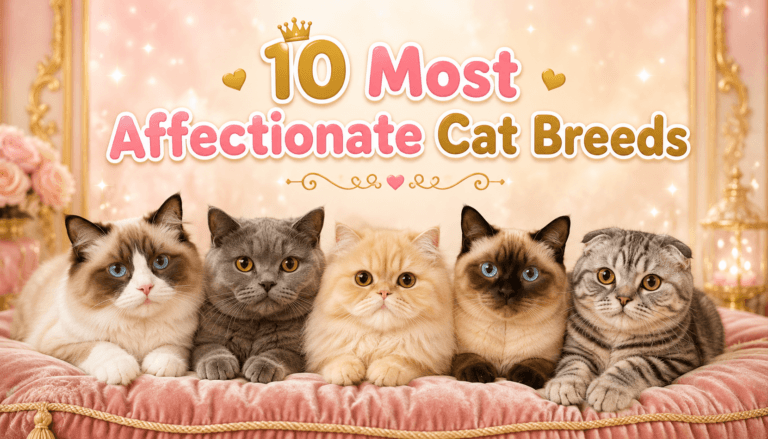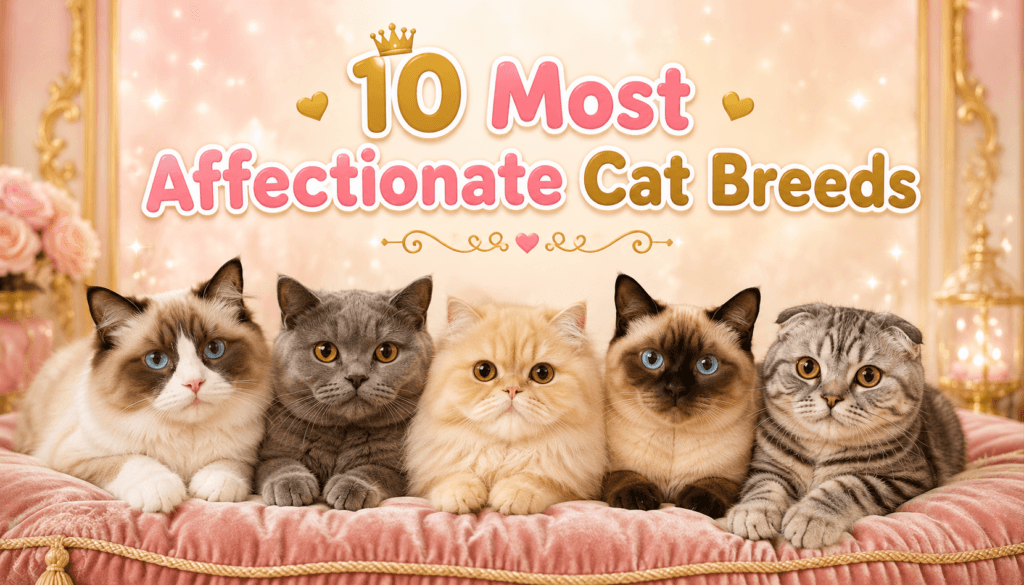

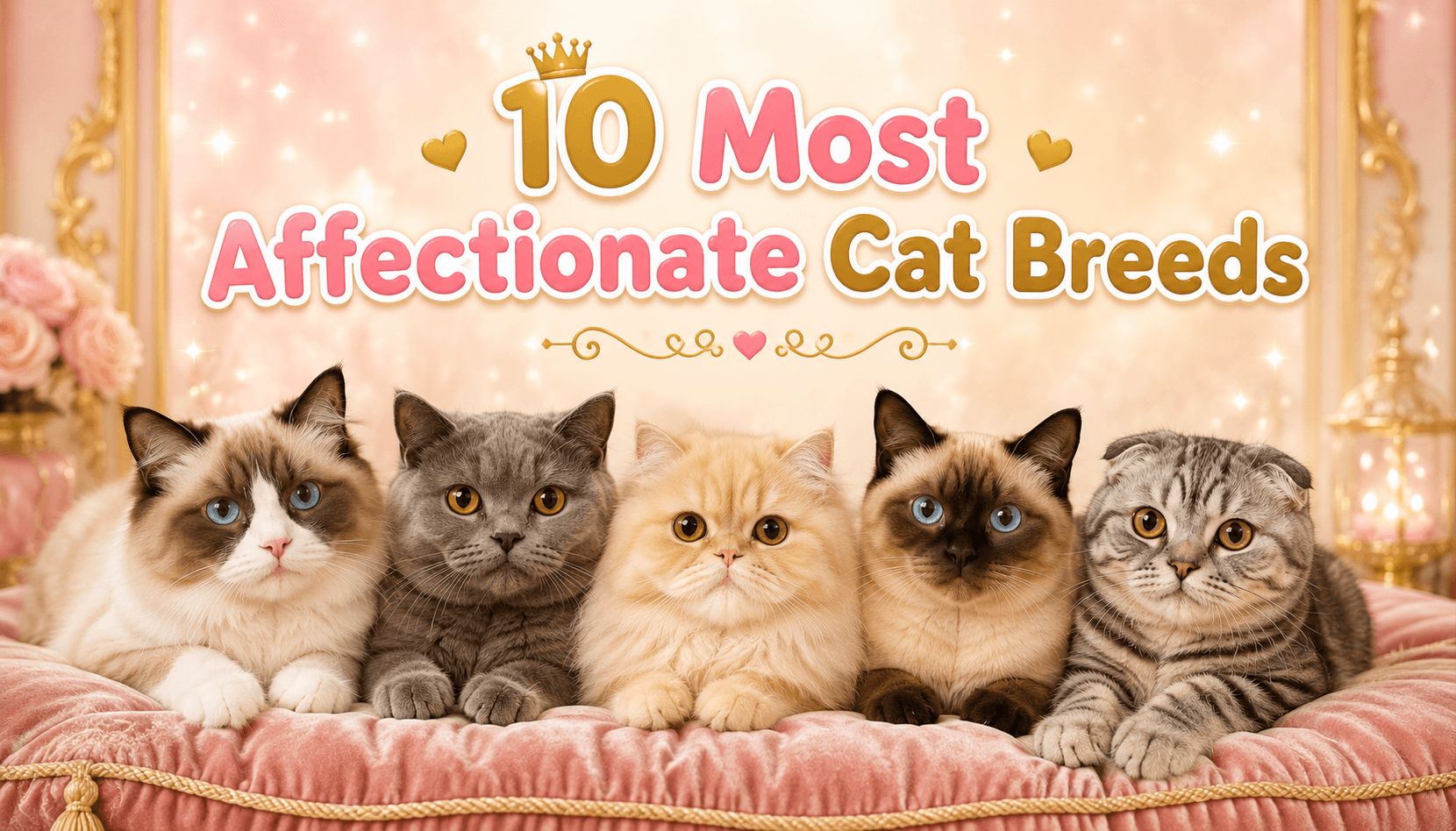
Not every cat breed wants constant cuddles, but some genuinely thrive on human company and physical closeness. If you are choosing a cat breed specifically for its loving nature, this list narrows it down to 10 breeds that consistently show up as the most affectionate, social, and cuddle-friendly, whether you are in the UK, the US, or Australia.
Each breed below comes with a quick comparison table covering temperament, energy, and who it suits best, so you can match the right cat breed to your lifestyle rather than just picking on looks.
What Makes a Cat Breed Affectionate
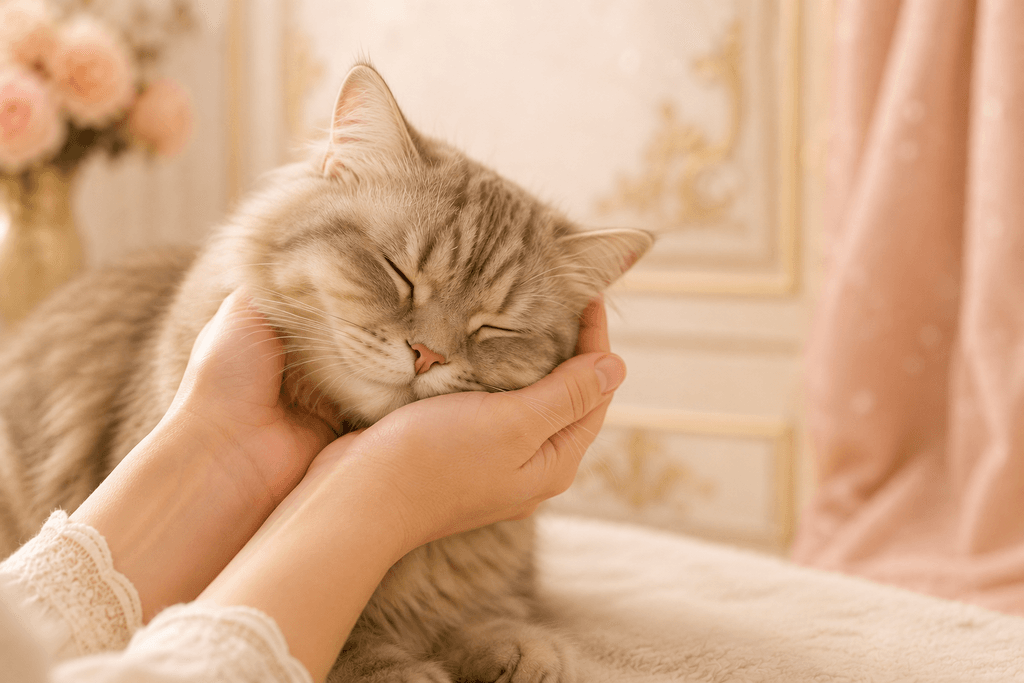
Affection in any cat breed comes down to a mix of genetics, early handling, and how much attention a breed was selectively bred to seek out. Breeds developed for companionship, rather than hunting or independence, tend to score higher on things like lap time, following their owner around, and seeking physical contact.
Cats that display this kind of behavior are sometimes called “Velcro cats,” since they stick close to their favorite person throughout the day. Several breeds on this list fall firmly into that category.
1. Ragdoll
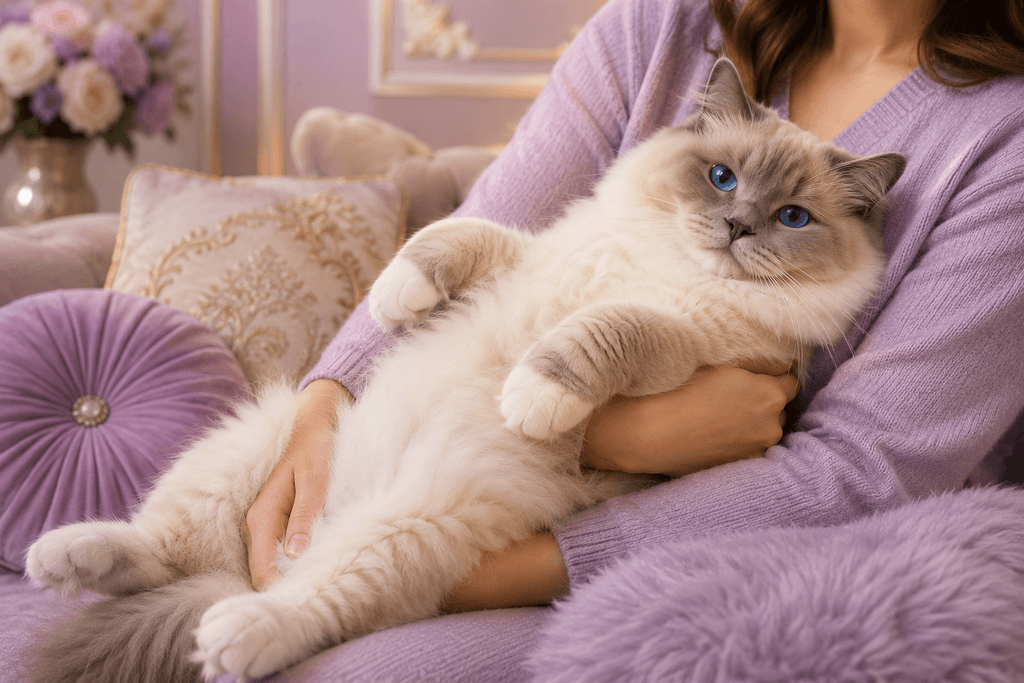
Ragdolls are widely considered the most consistently affectionate cat breed, largely thanks to their tendency to go completely limp and relaxed when picked up, which is actually where the breed’s name comes from. They follow their owners from room to room and settle into laps without much encouragement.
| Trait | Details |
|---|---|
| Origin | United States |
| Affection Level | Very High |
| Energy Level | Low to Moderate |
| Best For | Families, first-time owners |
| Grooming Needs | Moderate, semi-long coat |
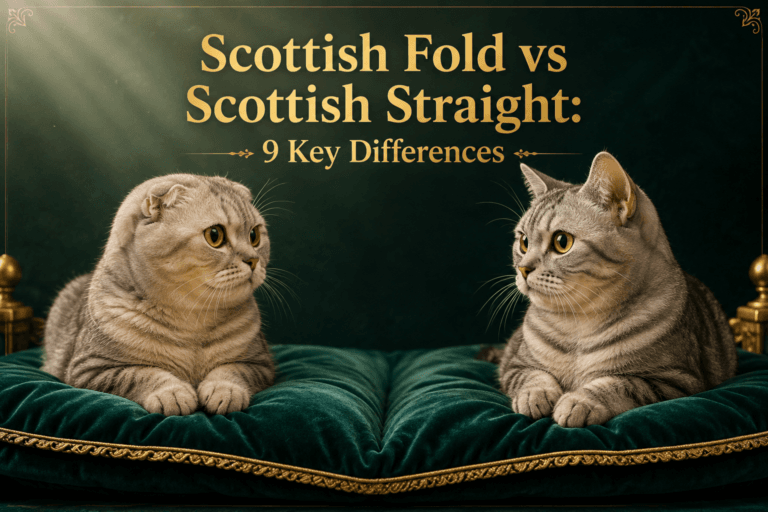
2. Scottish Fold and Scottish Straight
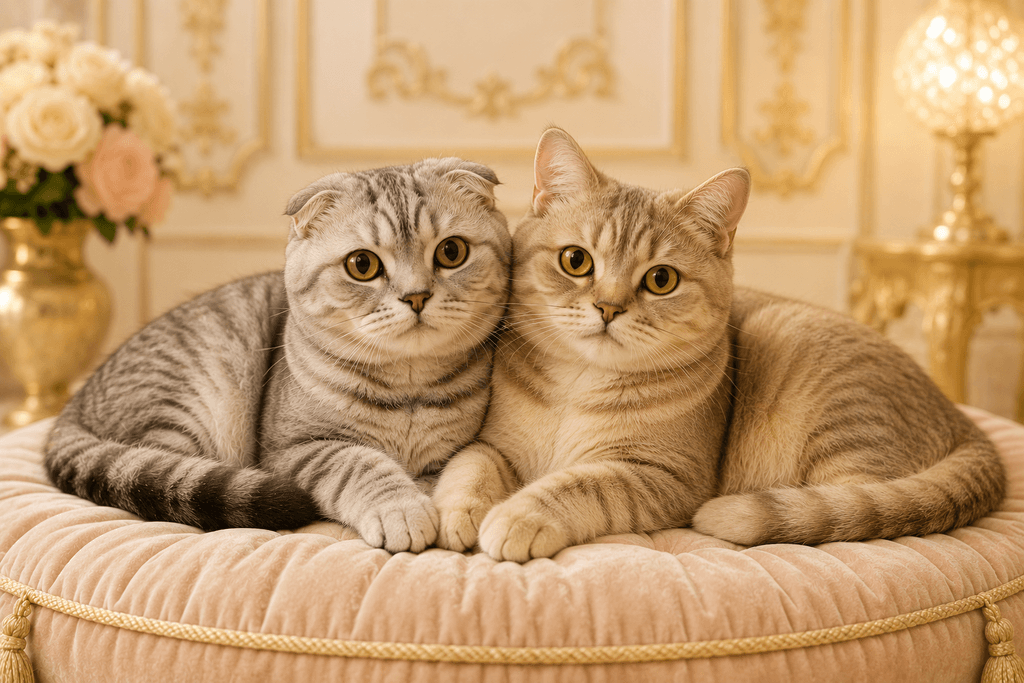
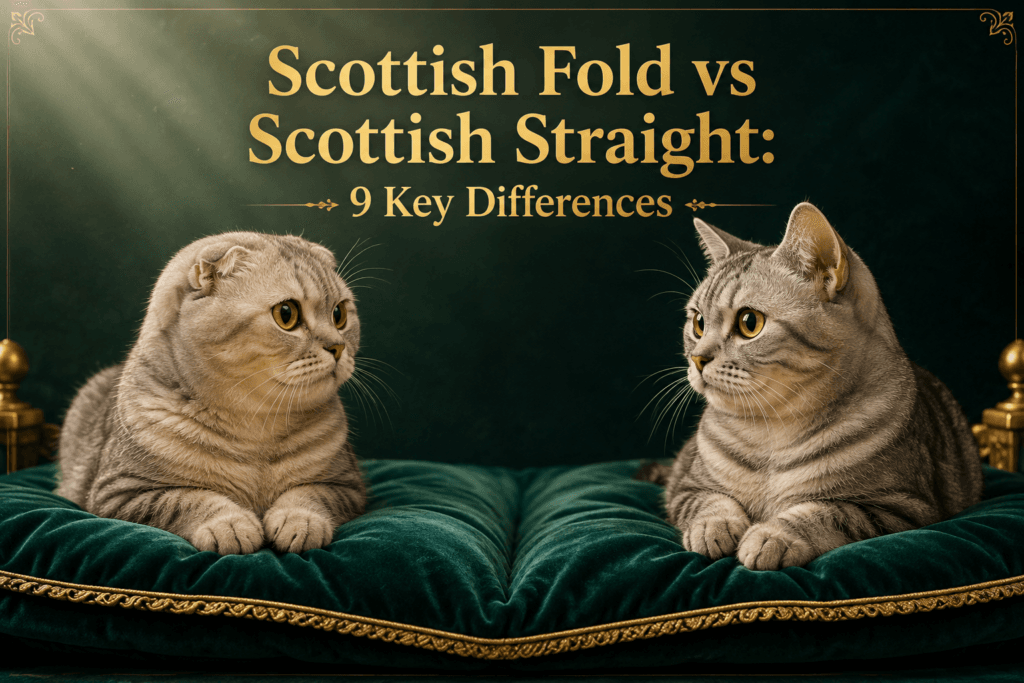
Both the Scottish Fold and Scottish Straight are known for a calm, placid temperament and a strong preference for staying close to their humans. Their round faces and quiet nature make them easy to live with, and research on the breed has noted noticeably higher proximity-seeking behavior compared to the feline average.
| Trait | Details |
|---|---|
| Origin | Scotland |
| Affection Level | High |
| Energy Level | Low to Moderate |
| Best For | Apartments, families, first-time owners |
| Grooming Needs | Low, short coat (Highland variants need more) |
For a deeper look at this breed’s personality specifically, see our guide on Are Scottish Folds Affectionate or Independent.
3. Sphynx
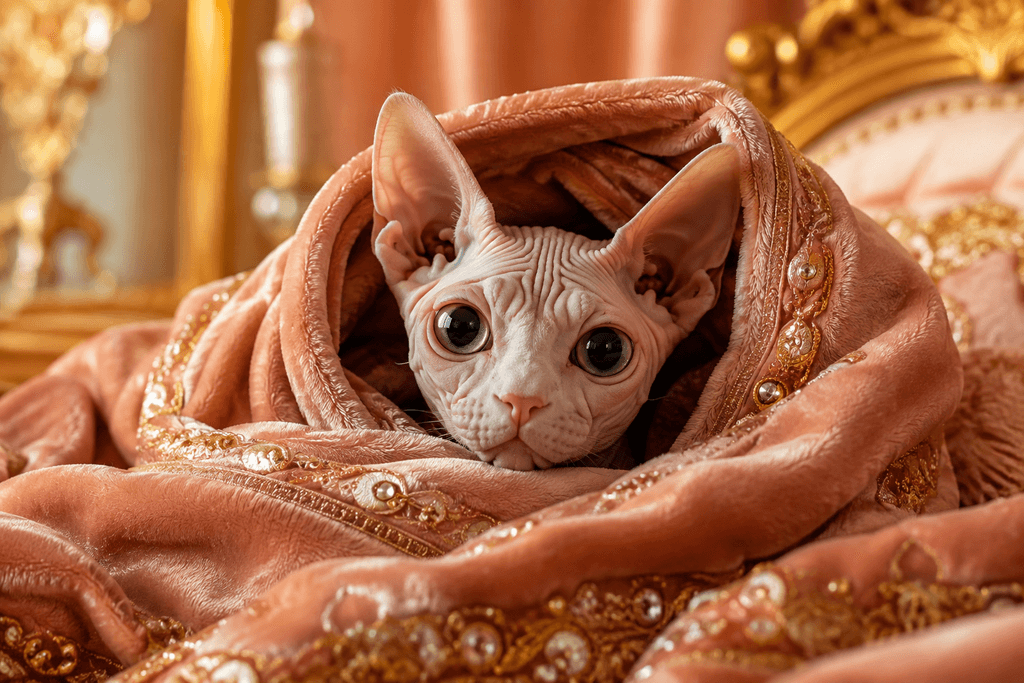
The Sphynx has a good reason to be clingy. Without a coat to keep them warm, Sphynx cats actively seek out laps, blankets, and body heat, which naturally makes them one of the most physically affectionate breeds around. They also crave attention and don’t do well being left alone for long stretches.
| Trait | Details |
|---|---|
| Origin | Canada |
| Affection Level | Very High |
| Energy Level | High |
| Best For | Owners home often, warm households |
| Grooming Needs | Low fur, but needs regular skin care |
4. Burmese
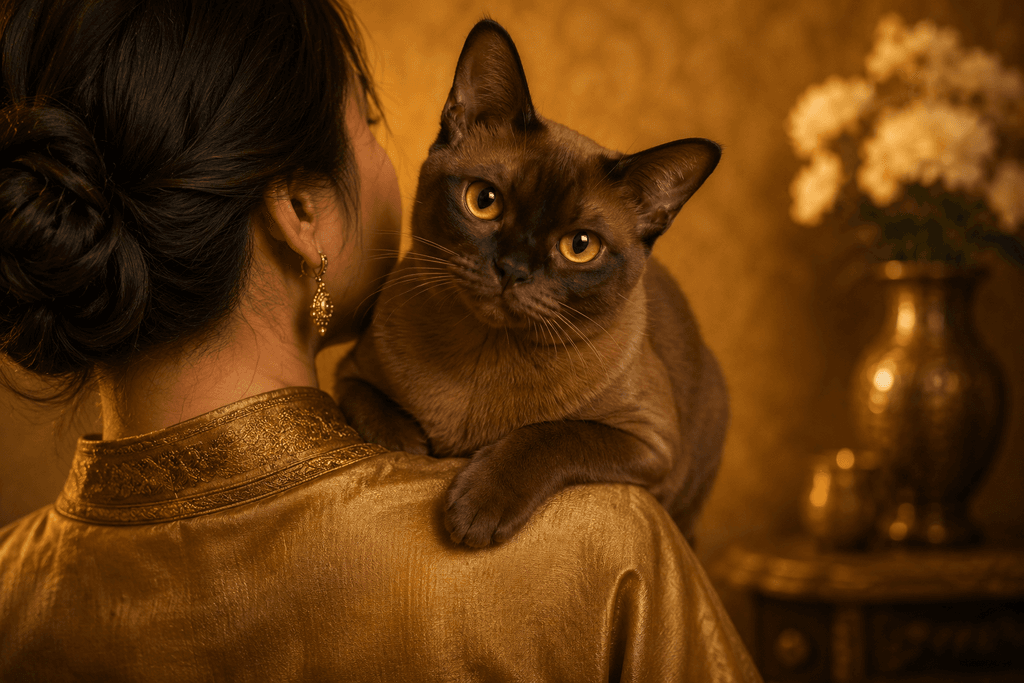
Burmese cats are often described as people-oriented to an extreme degree, and they genuinely struggle with being left alone for too long. They tend to bond with the whole family rather than picking just one favorite person, and they enjoy being involved in whatever is going on around the house.
| Trait | Details |
|---|---|
| Origin | Myanmar (Burma) |
| Affection Level | Very High |
| Energy Level | Moderate to High |
| Best For | Families, multi-pet homes |
| Grooming Needs | Low, short satin coat |
5. Birman
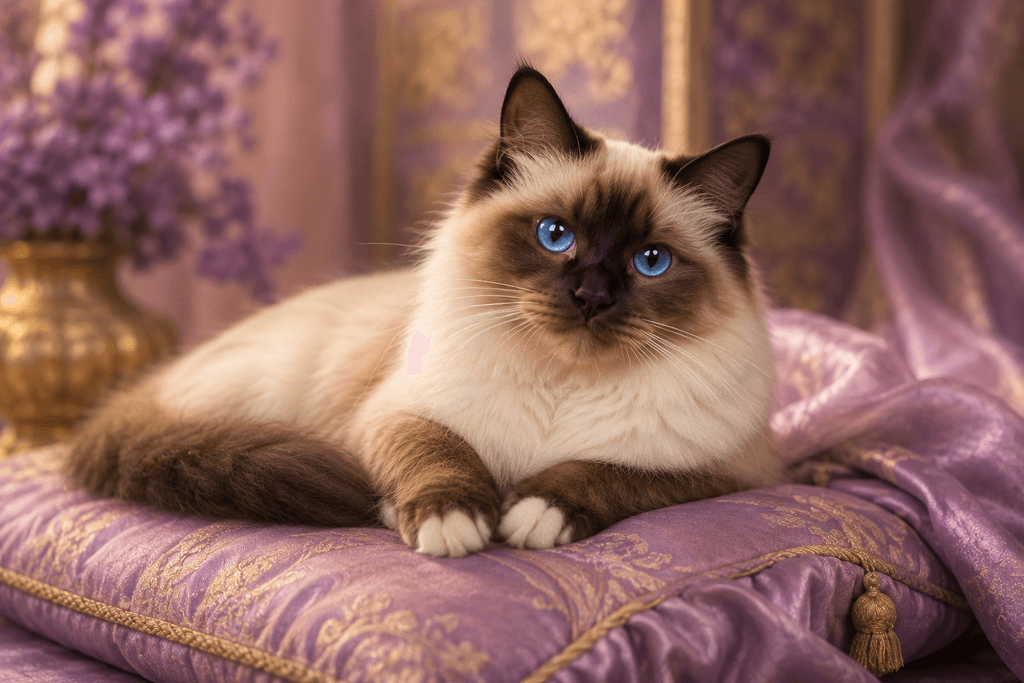
Birmans carry a calm, gentle temperament alongside a strong love of company. Historically kept as temple companions in Burma, they still show that same quiet devotion today, often choosing a lap to settle into rather than demanding attention loudly.
| Trait | Details |
|---|---|
| Origin | Myanmar (Burma) |
| Affection Level | High |
| Energy Level | Low to Moderate |
| Best For | Calm households, families |
| Grooming Needs | Moderate, silky coat |
6. Tonkinese
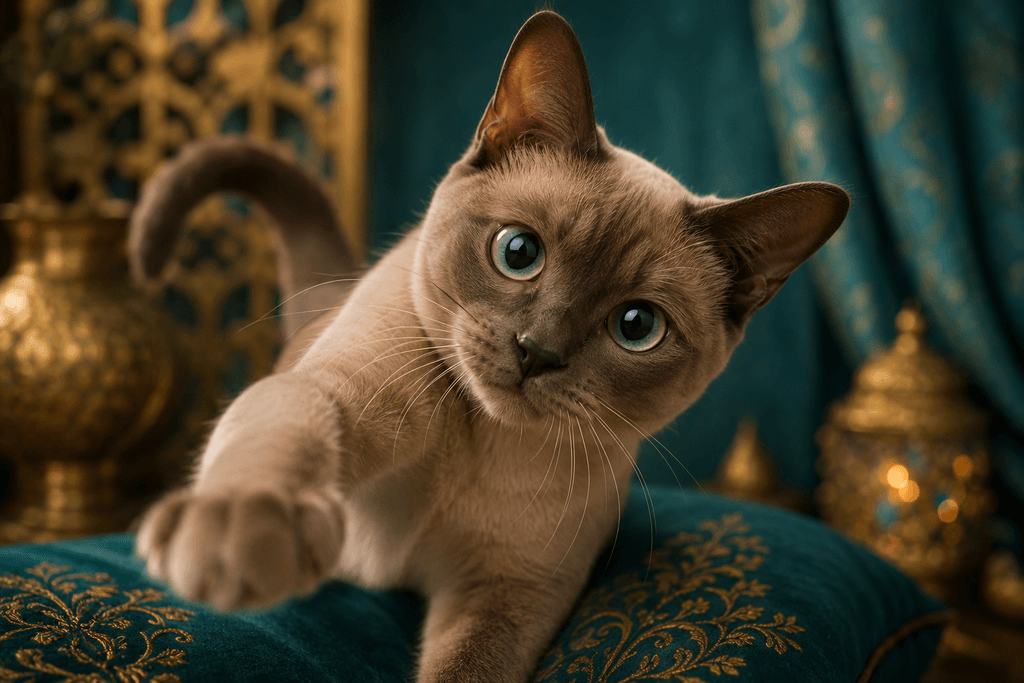
A cross between Siamese and Burmese, the Tonkinese inherits the social confidence of both parent breeds. This cat breed tends to be talkative, outgoing, and genuinely enjoys being the center of attention rather than settling for the sidelines.
| Trait | Details |
|---|---|
| Origin | Canada/United States |
| Affection Level | High |
| Energy Level | Moderate to High |
| Best For | Active households, social owners |
| Grooming Needs | Low, short coat |
7. Devon Rex
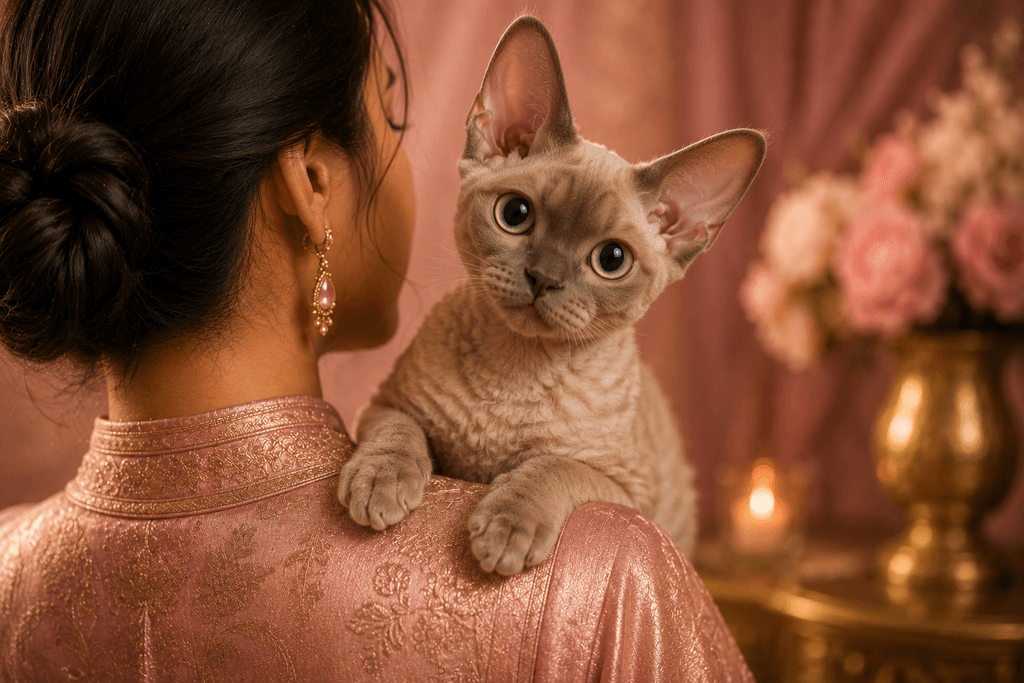
Devon Rex cats are playful, people-focused, and known for perching on shoulders rather than staying at ground level. Their curious, mischievous personality comes paired with a strong desire to stay close to their favorite humans throughout the day.
| Trait | Details |
|---|---|
| Origin | United Kingdom |
| Affection Level | High |
| Energy Level | High |
| Best For | Playful, hands-on owners |
| Grooming Needs | Low, curly short coat |
8. Maine Coon
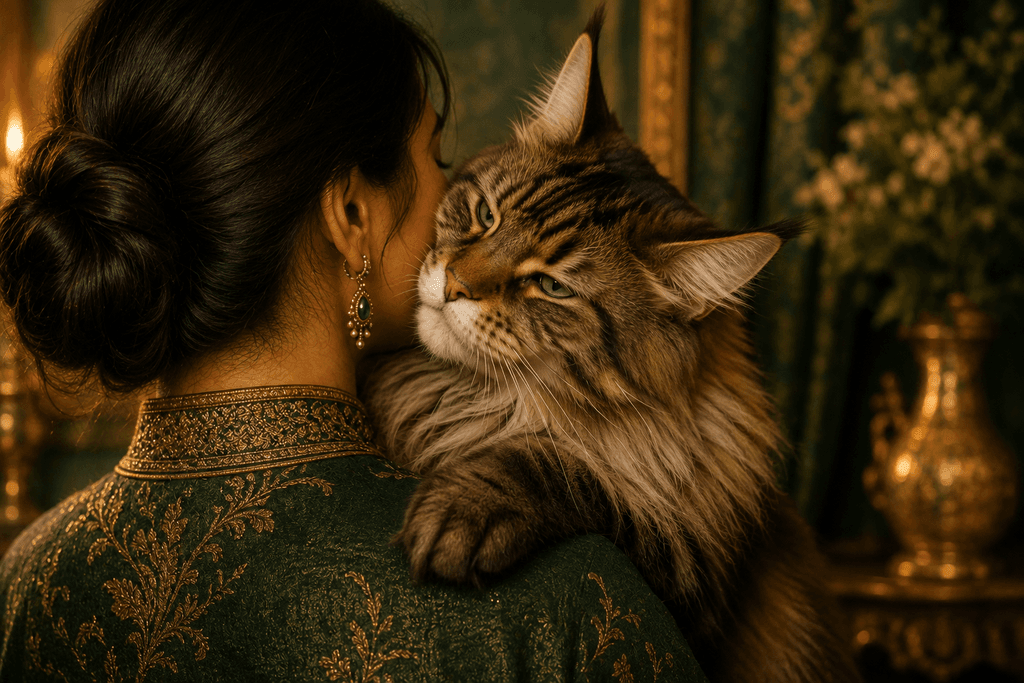
Despite their large size, Maine Coons are known as gentle giants with a friendly, easygoing nature. This cat breed enjoys being near people without being especially demanding, often following owners around the house in a calm, dog-like way.
| Trait | Details |
|---|---|
| Origin | United States |
| Affection Level | High |
| Energy Level | Moderate |
| Best For | Families, multi-pet homes |
| Grooming Needs | High, long thick coat |
9. Persian
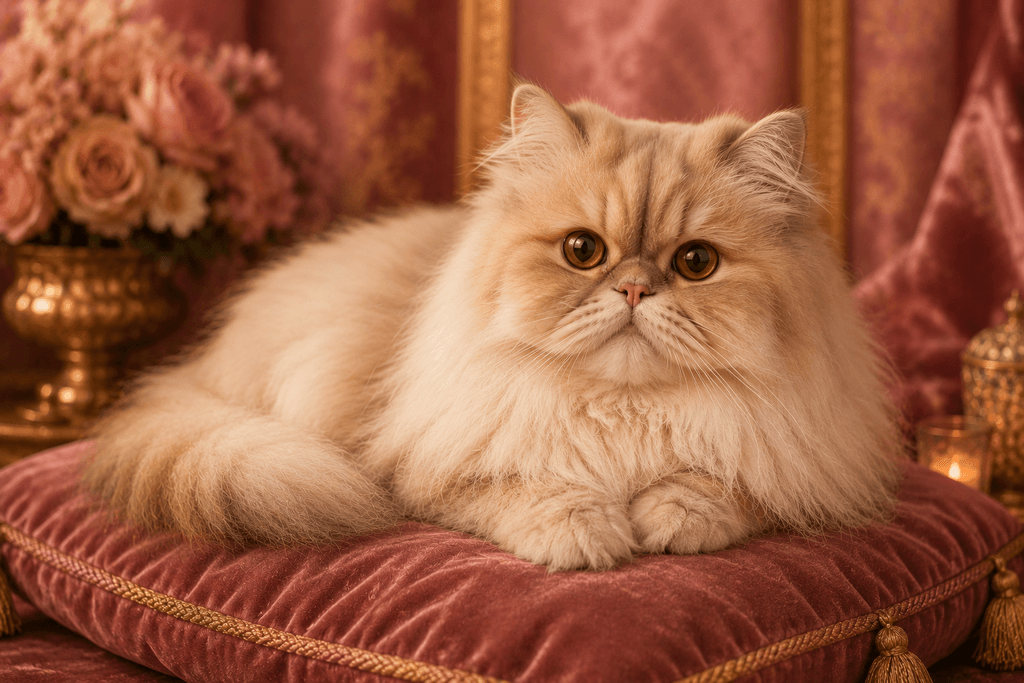
Persians are calm, quiet, and enjoy settling into a lap for long stretches at a time. They are not as physically demonstrative as some breeds on this list, but their steady, loving presence makes them a popular affectionate cat breed for quieter households.
| Trait | Details |
|---|---|
| Origin | Iran (Persia) |
| Affection Level | Moderate to High |
| Energy Level | Low |
| Best For | Calm, quiet homes |
| Grooming Needs | High, long coat |
10. Siamese
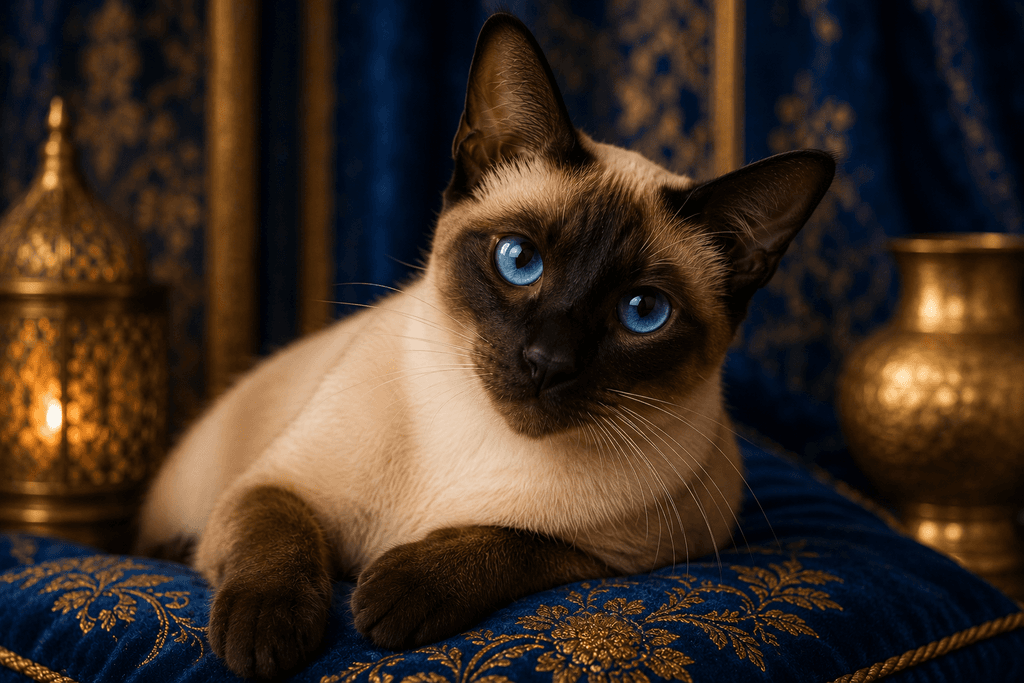
Siamese cats are vocal, social, and known for closely following their owners around the house. Some describe this cat breed as attention-seeking, but that vocal, expressive nature is really just their way of staying connected to their favorite people.
| Trait | Details |
|---|---|
| Origin | Thailand |
| Affection Level | High |
| Energy Level | High |
| Best For | Interactive, social owners |
| Grooming Needs | Low, short coat |
Choosing the Right Affectionate Cat Breed for You
The most loving cat breed on paper isn’t always the best fit in practice. A Sphynx or Devon Rex suits someone who is home often and enjoys constant interaction, while a Persian or Scottish Fold may suit a quieter household that still wants a loyal, loving companion. Matching energy level and attention needs to your own routine matters just as much as affection level alone.
If you already have your eye on a Fold specifically, our full Scottish Fold Cat Breed Profile covers temperament and daily care in more detail, and our Scottish Fold vs Scottish Straight comparison breaks down how the two closely related breeds differ.
FAQs
1. What is the most clingy and affectionate cat breed?
The Ragdoll is generally considered the clingiest and most consistently affectionate cat breed, known for following owners closely and going limp when picked up. Burmese and Sphynx cats are also frequently mentioned for their strong attachment to their families.
2. What is the calmest and nicest cat breed?
Ragdolls and Persians are usually named as the calmest, gentlest options, both known for a relaxed, easygoing temperament that suits quieter households well.
3. Which breed of cat is least friendly?
Breeds developed for independence rather than companionship, such as certain Bengals or Russian Blues, are sometimes described as more reserved with strangers, though individual personality still plays a large role regardless of breed.
4. What is the naughtiest breed of cat?
Siamese and Bengal cats are often mentioned as the most mischievous, largely because their high intelligence and energy levels mean they get bored easily and look for ways to entertain themselves.
Related Reading
For a broader look at breeds suited to new owners, our guide on 10 Best Cat Breeds for First-Time Owners covers a wider mix of temperaments and care levels.
For official breed standards and recognized temperament traits, the Cat Fanciers’ Association breed list is a reliable reference, and Wikipedia’s Ragdoll entry has more background on how the breed’s docile nature was developed.