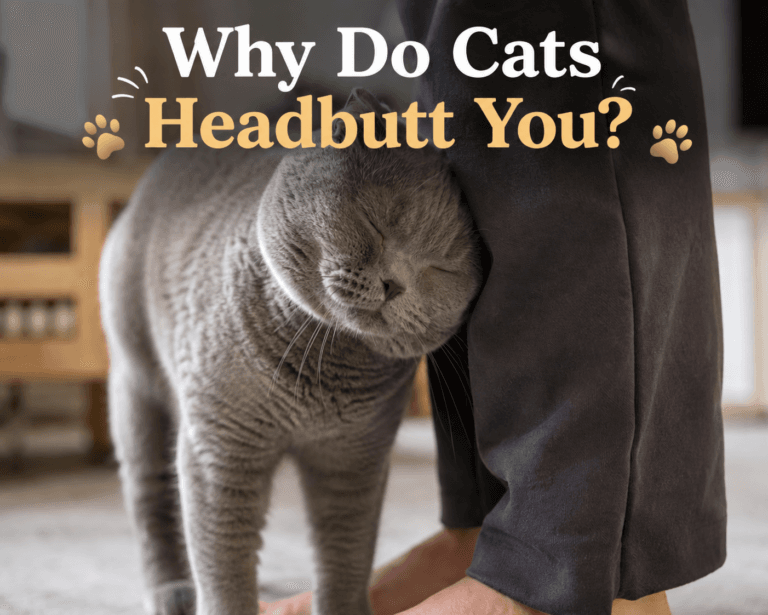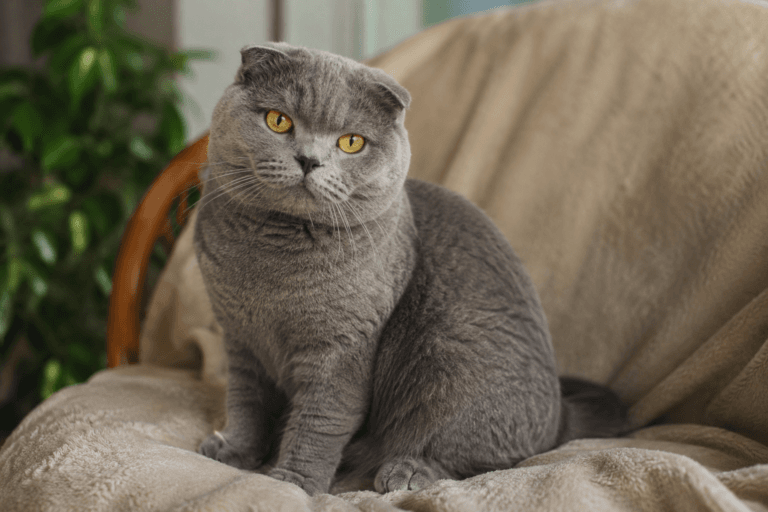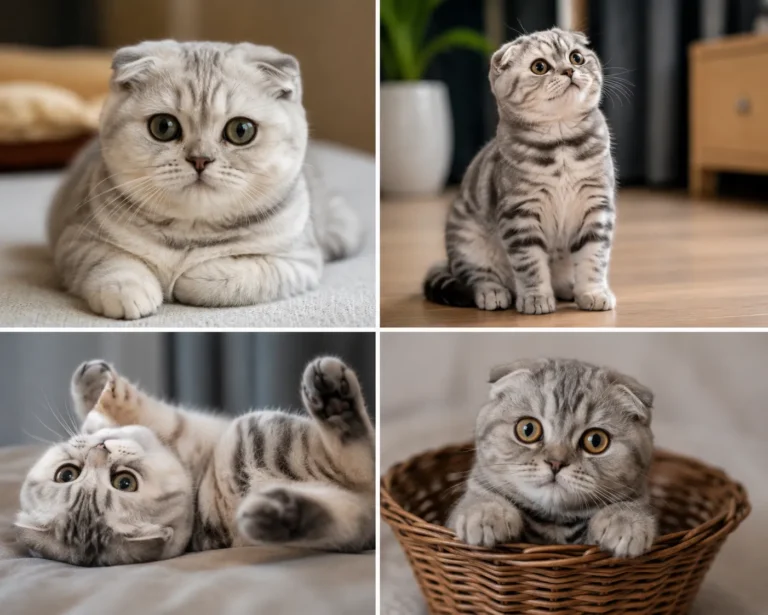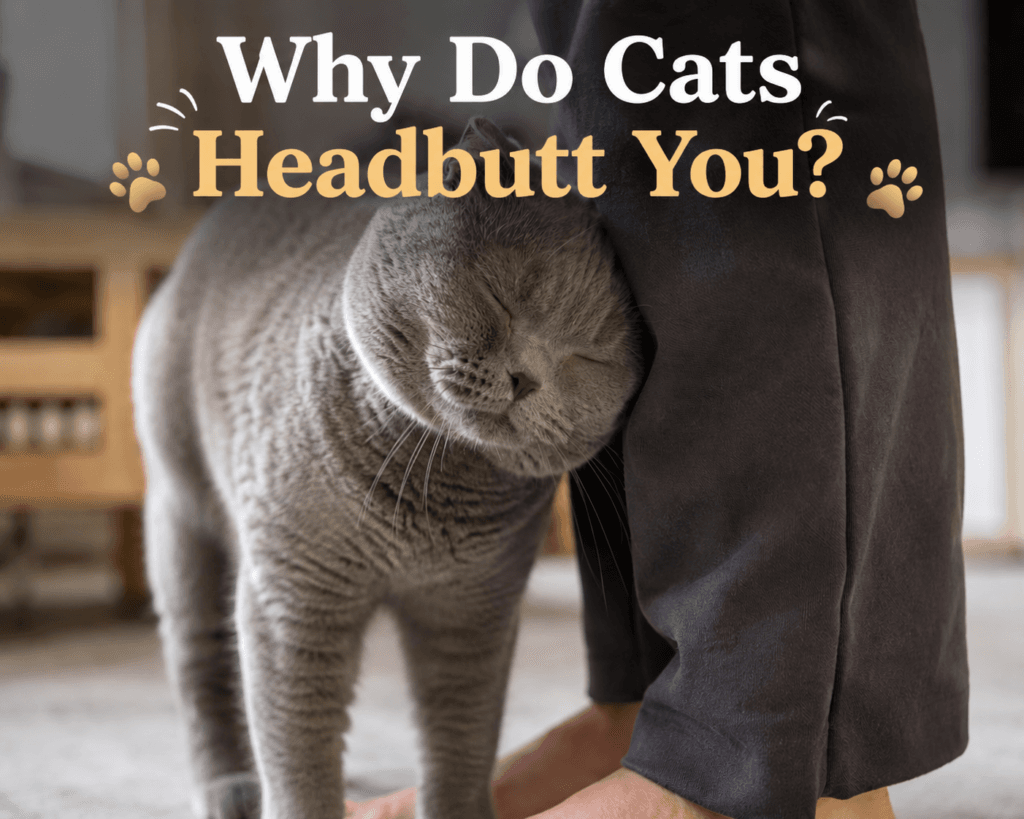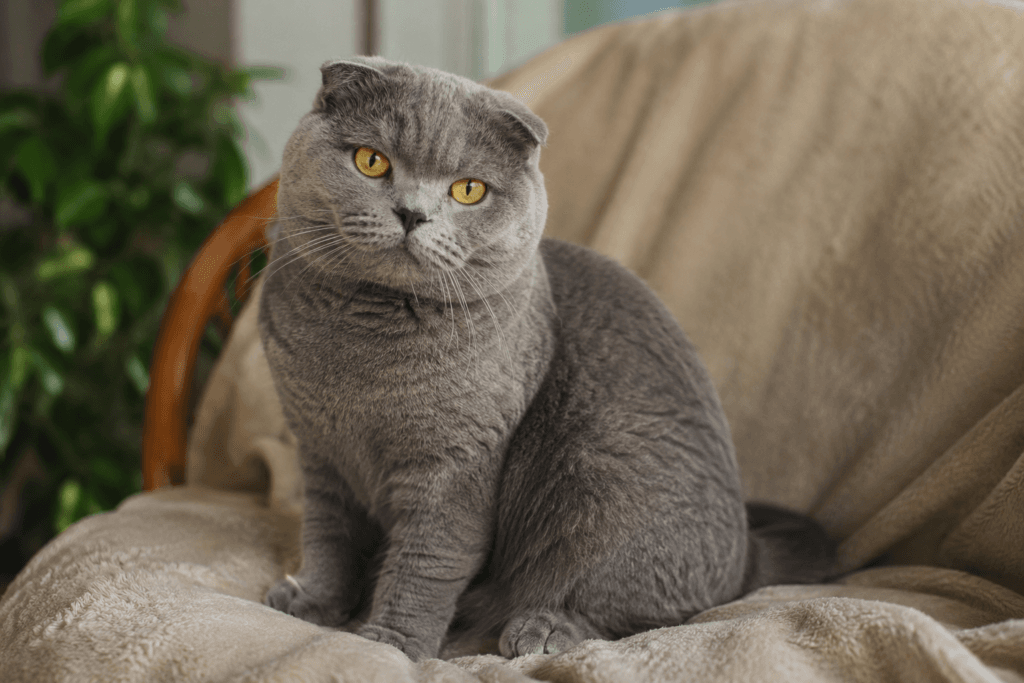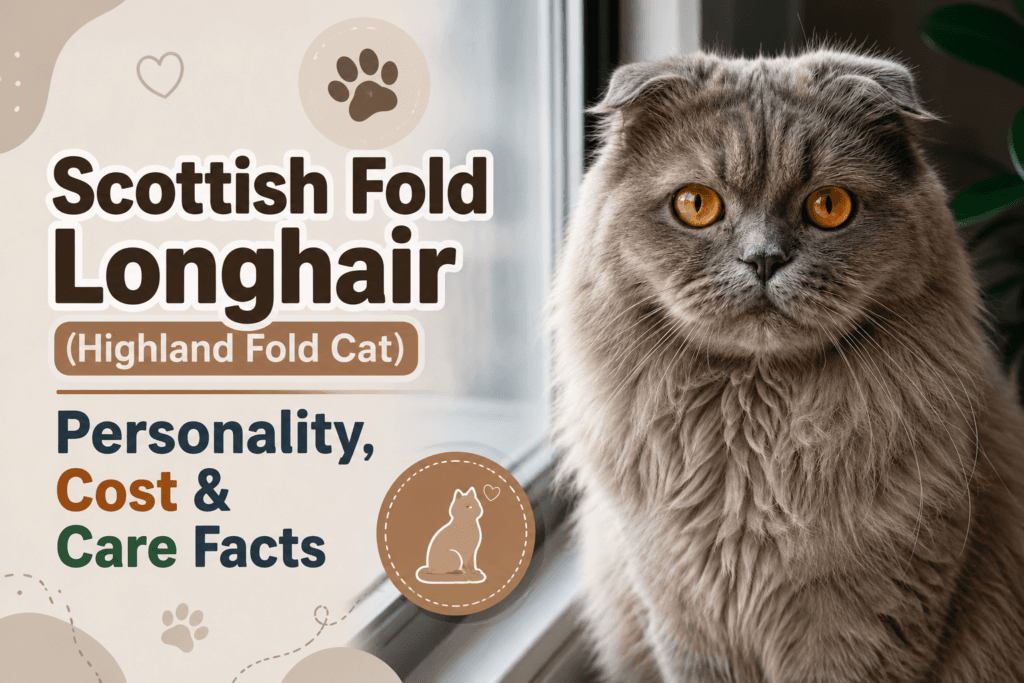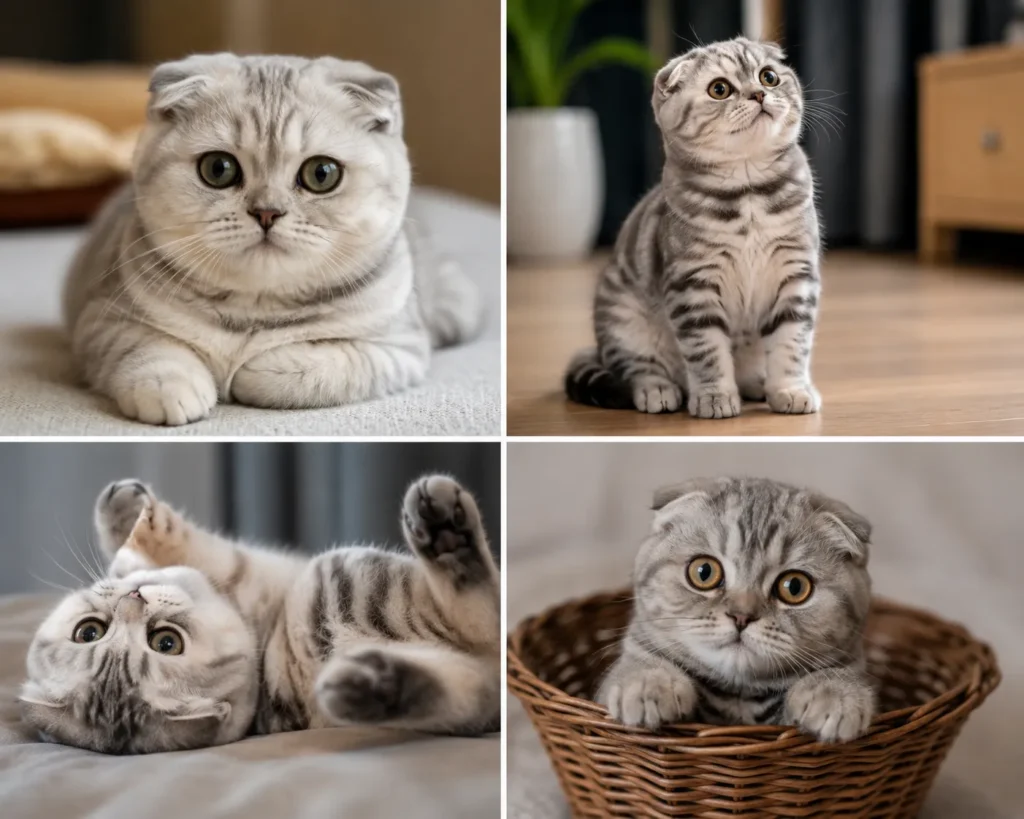


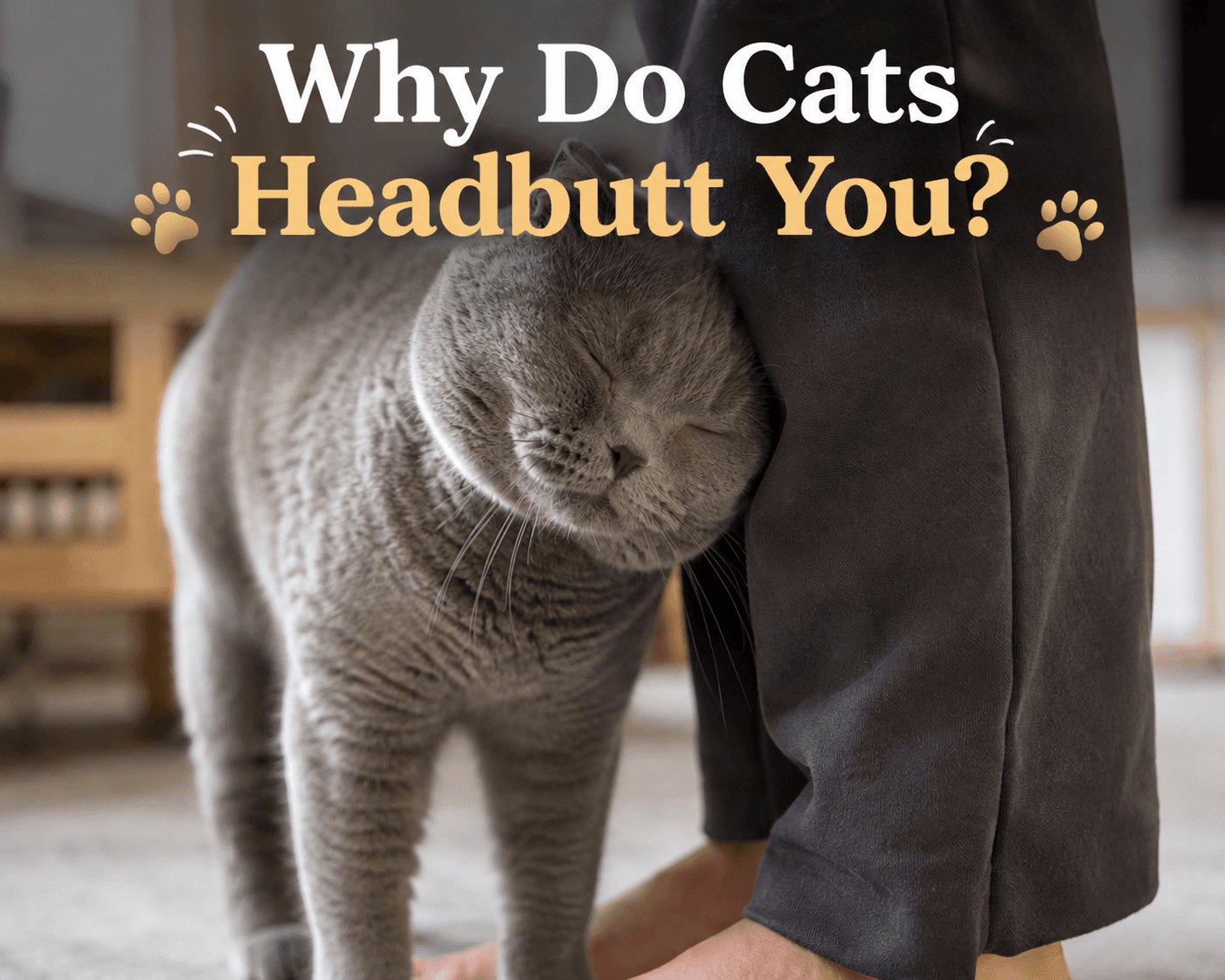
If your cat has ever walked up and pressed its forehead firmly into your leg, hand, or face, you’ve experienced one of the most misunderstood, and most affectionate, behaviors in the feline world. This gesture has a name bunting. It’s especially common in people-oriented breeds like the Scottish Fold, though cats of every breed do it. If you’ve been asking yourself why do cats headbutt you, the short answer is that it’s almost always a sign of trust and affection, backed by real feline science. Here’s exactly why cats headbutt you, what it means, and the one important difference every owner should know before dismissing it as “just a cat thing.”
What Is Cat Headbutting (Bunting)?
The Scientific Term: Bunting Explained
Behaviorists call this gesture bunting, a deliberate head-first rub against a person, animal, or object. It’s distinct from simple rubbing because it involves a firmer, more intentional press, usually with the top of the head or forehead.
Where Cat Facial Pheromones Come From
Cats carry scent glands around their forehead, cheeks, and chin. This is actually the biological root of why do cats headbutt you in the first place, when a cat headbutts you, it’s depositing its own scent onto you from these glands, a chemical signal invisible and odorless to humans, but full of meaning to other cats.
Why Do Cats Headbutt You? (Main Reasons)
Marking You With Scent (Bonding)
When a cat bunts you, it’s marking you as part of its trusted circle. This isn’t territorial aggression, it’s closer to a cat claiming you as safe and familiar.
Creating a Shared Colony Scent
In multi-cat households, cats headbutt each other to blend their individual scents into one shared “colony scent.” This mutual marking reinforces group identity and reduces tension between cats who live together.
Self-Soothing Behavior
Sometimes a cat headbutts an object with no one else around, often while purring or half-closing its eyes. This is typically a self-soothing behavior, similar to kneading, that helps a cat regulate its own emotional state.
Seeking Attention
If headbutting has ever earned a cat some head scratches or a reaction from you, it may repeat the behavior specifically to get your attention again. Cats are quick learners when it comes to what gets them noticed, the same reward-based learning that makes positive reinforcement training so effective works here too.
Checking Out a New Person
An unfamiliar cat may headbutt a new person as a way of gathering information, cautiously testing scent and reaction before deciding whether to trust you further.
Is Cat Headbutting a Sign of Affection?
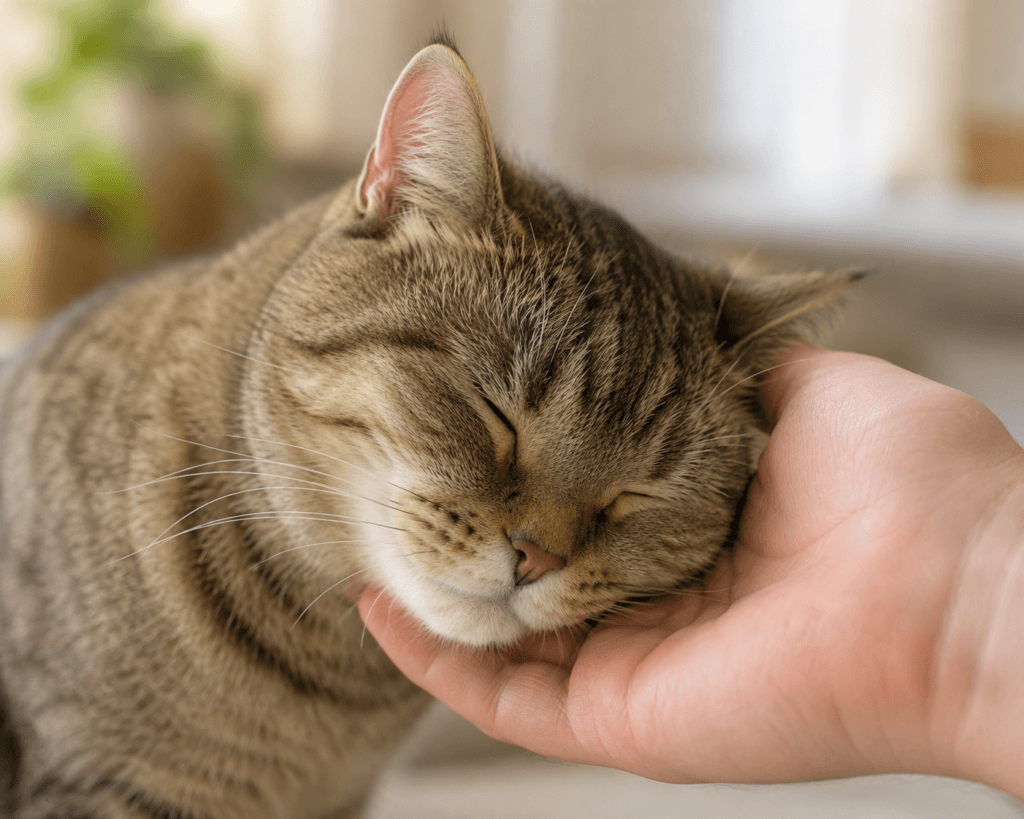
Yes, in most cases, headbutting is considered one of the clearest signs of trust and affection a cat can offer. It typically comes paired with relaxed body language soft eyes, purring, or a loose, easy posture.
What Confident vs Shy Cats Do Differently
More confident cats tend to headbutt frequently and with more force, while shyer or more cautious cats may show affection in quieter ways, like a slow blink or simply staying nearby.
Do All Cats Headbutt? (Why Some Never Do)
Not every cat headbutts, and that’s completely normal. Some cats express affection primarily through purring, kneading, or choosing to sleep or sit on you instead. A cat that doesn’t headbutt isn’t necessarily less bonded to you.
Situational Headbutting, What Each One Means
The general reasons behind why do cats headbutt you cover the big picture, but the specific situation often adds another layer of meaning. Here’s what each common scenario is really telling you.
Why Do Cats Headbutt You While Sleeping?
A cat that headbutts you while you’re asleep (or while it’s dozing) is often seeking warmth, comfort, and closeness, sleep is a vulnerable state, so choosing to bunt you during it is a strong trust signal.
Why Does My Cat Headbutt Me Then Bite Me?
This combination usually points to overstimulation. A cat may start out affectionate, then nip gently once petting or contact has gone on longer than it wanted, essentially its way of saying “that’s enough for now.”
Why Do Cats Headbutt Your Legs?
Leg-bunting is common when you first walk through the door. It’s a greeting ritual, your cat marking you again after time apart and reconnecting the shared scent.
Why Do Cats Headbutt Your Hand?
When a cat pushes its head into your hand, it’s often inviting a scratch on the head or chin, areas cats can’t easily groom themselves and enjoy having touched.
Why Does My Cat Headbutt My Phone?
Phones and other electronics that hold your attention are common headbutt targets. A cat headbutting your phone is typically a direct, and slightly comedic, bid for your focus.
Why Do Cats Headbutt Furniture or Objects?
Bunting furniture, doorframes, or a favorite chair helps a cat mark its territory with familiar scent, turning shared spaces into ones that feel safe and theirs. It’s a similar object-fixation instinct to what drives cats to lick plastic bags and wrappers, different behavior, same curious nature.
Why Do Cats Headbutt Each Other (Including When Fighting)?
Between cats who get along, headbutting reinforces their social bond and shared scent. Note that head-butting during an actual fight is different, that’s more likely rough physical contact than affectionate bunting, and it’s worth watching for other signs of tension between cats in the same household.
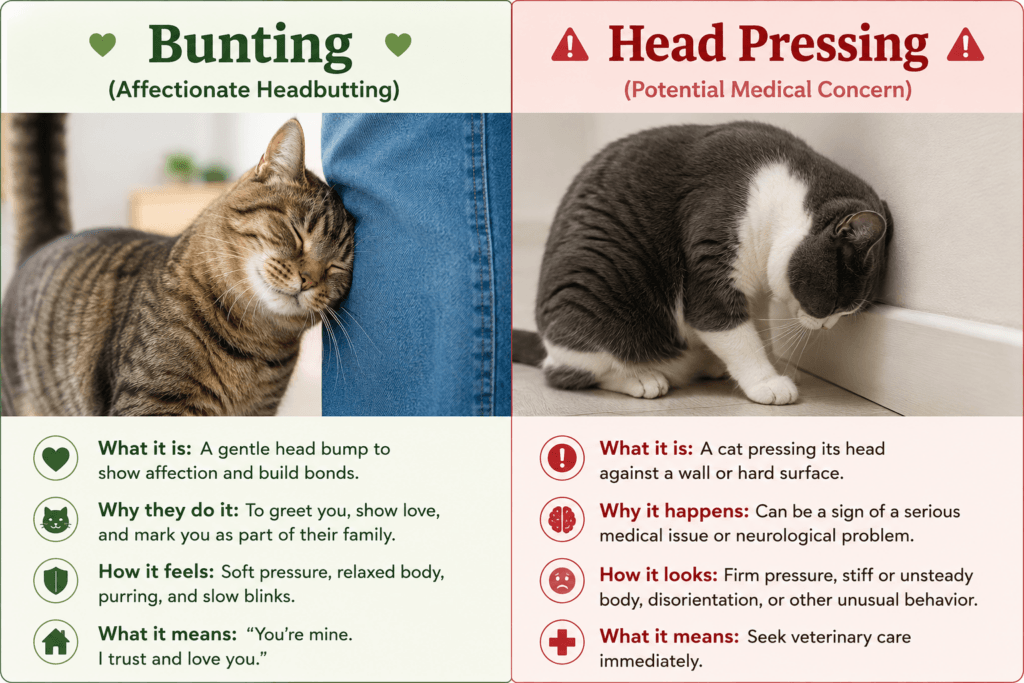
Cat Headbutting vs. Head Pressing, Critical Difference
This is the single most important distinction to understand, because confusing the two can delay urgent veterinary care.
What Head Pressing Looks Like (Warning Signs)
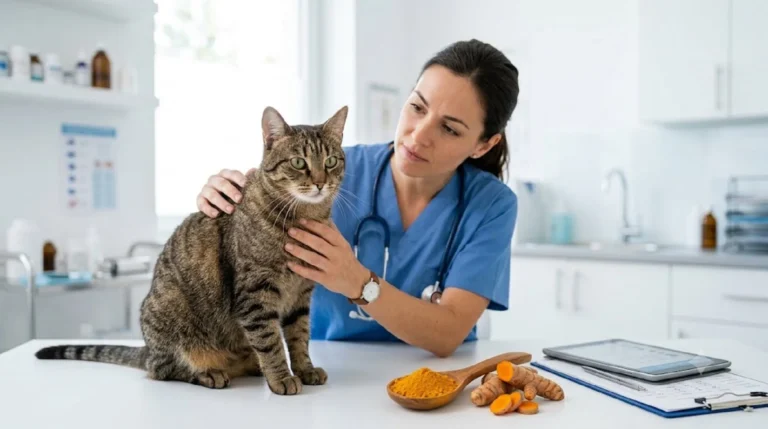
Head pressing involves a cat pushing its head against a wall, corner, or furniture for an extended period, without the relaxed body language seen in bunting. It’s often accompanied by disorientation, pacing, or changes in vision or behavior.
When to See a Vet Immediately
Head pressing can indicate a serious neurological issue and should always be treated as an emergency. If your cat shows this behavior, especially paired with stumbling, unusual vocalization, or unresponsiveness, contact a veterinarian right away rather than waiting to see if it passes.
Quick Comparison Table
| Feature | Headbutting (Bunting) | Head Pressing |
|---|---|---|
| Target | People, other cats, familiar objects | Walls, corners, hard furniture |
| Duration | Brief, repeated | Prolonged, sustained |
| Body language | Relaxed, purring, soft eyes | Tense, disoriented, unresponsive |
| Meaning | Affection, scent-marking, bonding | Potential neurological emergency |
| Action needed | None, normal behavior | Veterinary care immediately |
Cat Bunting on Objects, Hands & Faces
Cat Bunting on Your Hand
This is one of the most common forms of bunting and almost always an invitation for a head or chin scratch.
Cat Bunting on Your Face
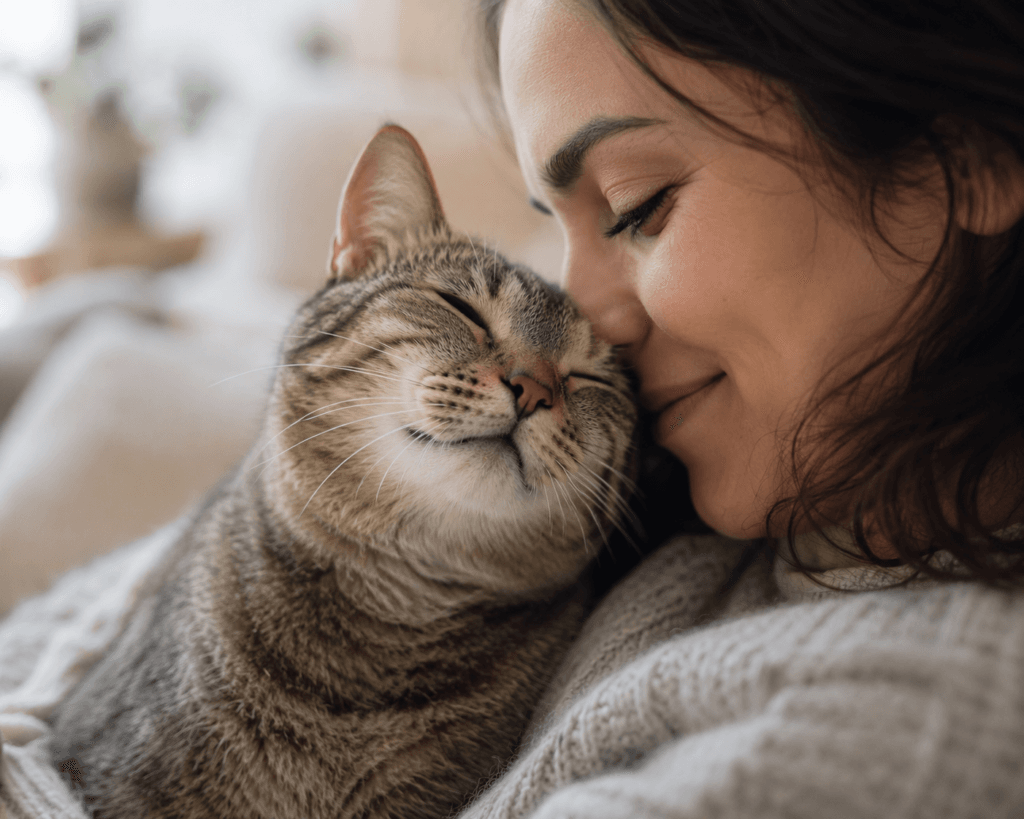
Face-to-face bunting is considered an especially intimate gesture, often reserved for the people a cat trusts most.
Cat Bunting and Purring Together
When bunting is paired with purring, it’s a strong combined signal of contentment, your cat isn’t just marking you, it’s actively enjoying the moment.
Should You Headbutt Your Cat Back?
Gently returning a headbutt with your own forehead is generally fine for cats who are used to it and initiate the contact themselves, but it isn’t necessary and some cats may find an unexpected head-first approach from a human startling rather than affectionate.
Better Ways to Respond to a Headbutt
Chin scratches, slow strokes along the back, or simply staying still and letting the cat lean into you are typically better-received responses than headbutting back.
FAQs
Why does my cat headbutt me then bite me?
This is usually a sign of overstimulation, the headbutt starts as affection, and the bite that follows is a signal that contact has gone on a bit too long.
Why do cats headbutt you while sleeping?
It’s typically a comfort and closeness behavior, often happening when a cat feels safe enough to be vulnerable near you.
Why do cats headbutt each other when fighting?
Head contact during genuine conflict is different from bunting, it’s rougher and lacks the relaxed body language of affectionate headbutting.
Why does my cat headbutt my phone?
Most often, it’s a bid for attention, especially if the phone is currently competing with the cat for your focus.
Should I headbutt my cat back?
It’s usually fine if the cat initiates it, but chin scratches and gentle petting are safer, more predictable ways to respond.
What is head bunting cat meaning?
Head bunting refers to a cat’s deliberate head-first rub against people, animals, or objects, used to mark scent, bond socially, and communicate trust.
Conclusion
What Your Cat’s Headbutt Is Really Telling You
So, why do cats headbutt you? At its core, a headbutt is your cat’s way of saying you’re part of its trusted circle, a small, scent-based gesture that carries a lot of social weight in feline communication. The one thing worth watching for is the difference between this normal, affectionate behavior and head pressing, which needs prompt veterinary attention.
Related Reads
- Why Does My Cat Sit on Me and What It Really Means
- Why Do Cats Lick Plastic Bags and Wrappers
- Scottish Fold Cat Training | Effective Tips & Techniques
- Cat Bunting Behavior
This article provides general educational information about cat behavior and is not a substitute for professional veterinary advice. If your cat shows signs of head pressing or other unusual behavior, consult a licensed veterinarian promptly.