
With their round faces, plush coats, and calm personalities, Scottish Folds and British Shorthairs already look like distant cousins so it’s no surprise that the Scottish Fold British Shorthair mix has become one of the most searched-for cat crosses online. But is this an official breed, a common crossbreed, or something breeders create on purpose? Here’s everything you need to know before bringing one home.
What Is a Scottish Fold British Shorthair Mix?
A Scottish Fold British Shorthair mix is exactly what it sounds like a cat with one Scottish Fold parent and one British Shorthair parent, or a Fold-lineage cat with British Shorthair further back in its pedigree. Because the two breeds already share a lot of physical similarity, the mix tends to look like a slightly rounder, plusher version of either parent, with the biggest visible variable being ear shape.
Are Scottish Fold and British Shorthair Related?
Yes, and quite closely. Early Scottish Fold breeding programs in the 1960s and 70s deliberately crossed Folds with British Shorthairs to strengthen the breed’s round head, dense coat, and sturdy body type. In many ways, the British Shorthair helped shape what a “typical” Scottish Fold looks like today, which is why the two breeds blend so seamlessly.
Is a Scottish Fold Technically a British Shorthair?
Not exactly a Scottish Fold is its own recognized breed, but its genetic foundation includes British Shorthair (along with American Shorthair, in some lines). So while a Scottish Fold isn’t a British Shorthair, it isn’t entirely separate from it either, which is part of why the two are compared and crossed so often. You can view the TICA Scottish Fold breed standard for more on the breed’s recognized ancestry.
How This Mix Typically Comes About (Intentional vs Accidental Breeding)
Some breeders cross the two intentionally to produce kittens with the classic round Fold or Shorthair look while diversifying the gene pool a practice that’s sometimes encouraged specifically because it can reduce the concentration of the ear-fold gene’s health risks. In other cases, the mix happens unintentionally through unregistered or backyard breeding, which is why buyer research matters more here than with a standard purebred.
Appearance What Traits Come From Each Parent Breed
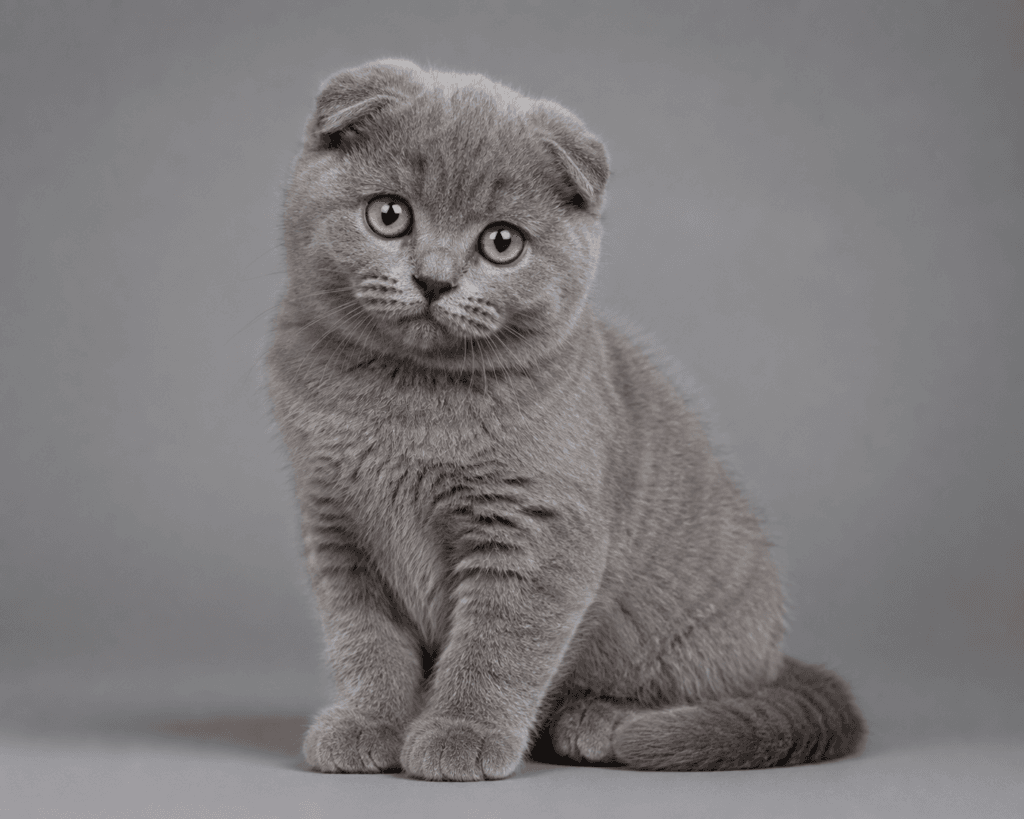
Ears (Folded vs Straight What to Expect in a Litter)
Ear shape is genetically dominant in Scottish Folds, so kittens in a mixed litter can be born with either folded or straight ears, even within the same litter. A straight-eared kitten from this cross is sometimes called a Scottish Straight British Shorthair mix, and it carries the same body type without the ear-fold gene.
Body Shape & Build
Expect a compact, sturdy, medium-to-large body with rounded shoulders and thick-set legs a blend of the Fold’s compact frame and the British Shorthair’s famously stocky build.
Coat Type (Short vs Longer, Dense Coat)
Most kittens from this mix have a short, dense coat similar to the British Shorthair’s plush “teddy bear” texture, though occasionally a semi-long coat appears if longhair genetics are present on the Scottish Fold side.
Common Colors & Patterns
This mix can appear in nearly any color the two parent breeds carry, including solid, tabby, and bi-color combinations.
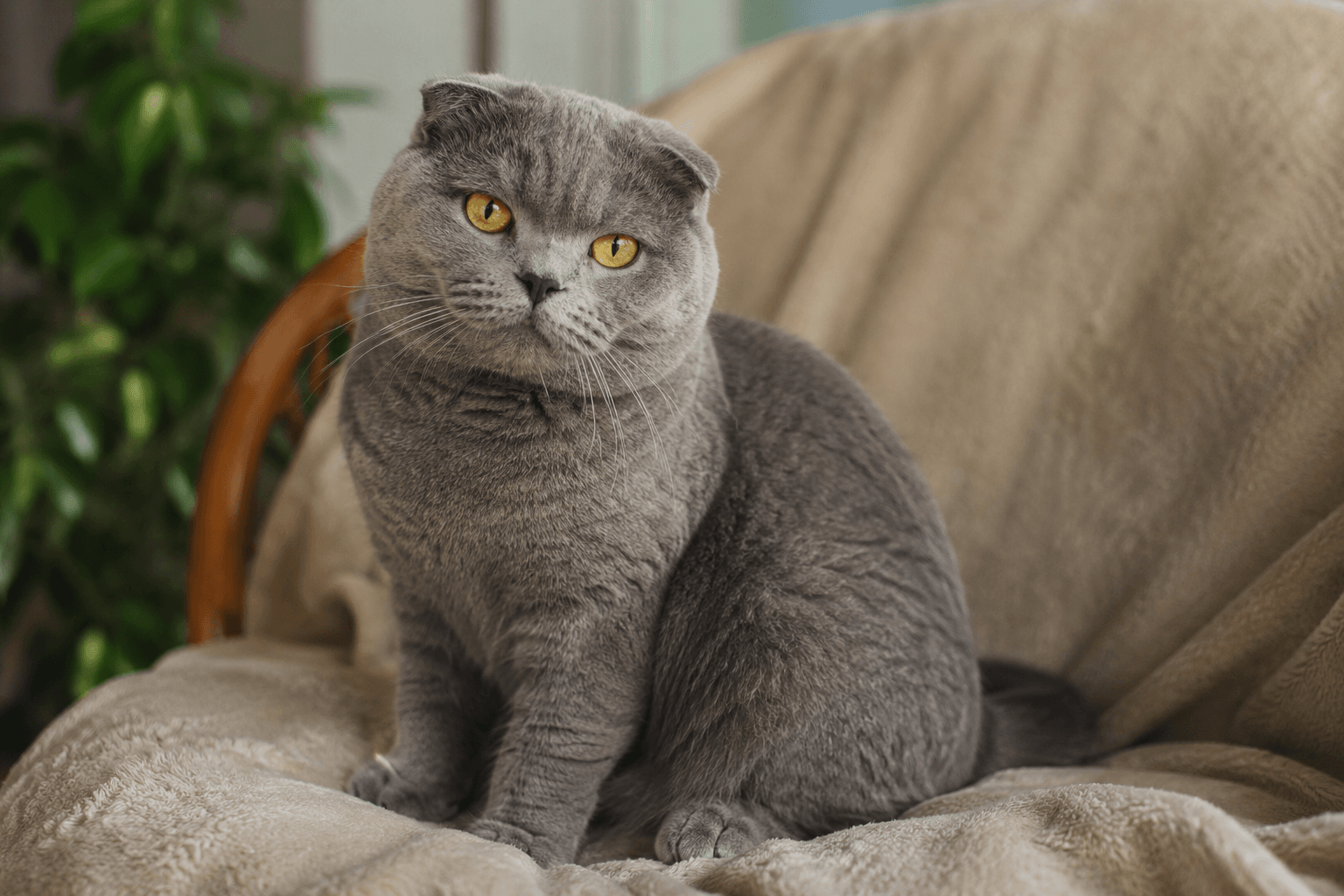
Grey Scottish Fold British Shorthair Mix
The classic blue-grey coat closely associated with the British Shorthair is one of the most common and most searched-for color results of this cross.
Tabby Scottish Fold British Shorthair Mix
Tabby striping is common in mixed litters and tends to show up regardless of ear type.
Scottish Fold British Shorthair Mix Personality & Temperament
Affection Level & Bonding With Owners
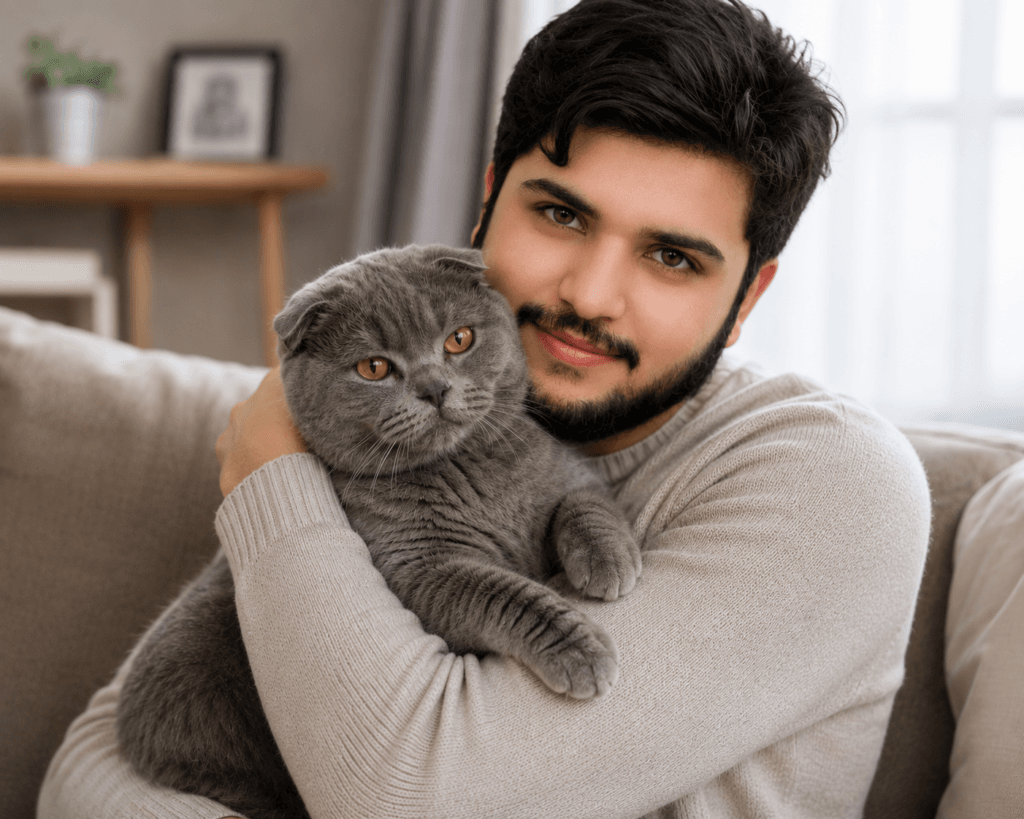
This mix is typically calm, affectionate, and comfortable being handled, blending the Scottish Fold’s people-oriented nature with the British Shorthair’s easygoing independence.
Why British Shorthairs Are Seen as Less Cuddly (and How the Mix Differs)
British Shorthairs have a reputation for being more independent and less lap-oriented than other breeds, often preferring to sit nearby rather than be held. In a mix, the Scottish Fold’s more affectionate, follow-you-around temperament often balances this out, producing a cat that’s sociable without being overly clingy.
Behavior Around Children & Other Pets
Both parent breeds are known for being tolerant and easygoing, which generally carries over into the mix making it a solid choice for households with kids or other pets.
Health Considerations
Ear-Fold Gene & Osteochondrodysplasia Risk Explained
If a kitten inherits the folded-ear trait, it also carries the associated risk of osteochondrodysplasia, a cartilage and joint condition tied to the same gene. Straight-eared kittens from the same litter do not carry this specific risk.
General Health Traits Inherited from British Shorthair
British Shorthairs are generally a robust breed, though they can be prone to weight gain and, in some lines, a heart condition called hypertrophic cardiomyopathy both worth discussing with a vet regardless of ear type.
Recommended Health Screening for Mixed Kittens
Ask breeders for documentation on both parents, including joint and heart screening where available, and schedule an early vet check to assess mobility and overall health.
Lifespan of a Scottish Fold British Shorthair Mix
Average Life Expectancy
With good care, this mix typically lives 12 to 16 years, slightly longer on average than a purebred Scottish Fold, partly due to the added genetic diversity from the British Shorthair side.
Factors That Affect Lifespan
Diet, weight management, regular vet checkups, and whether the cat inherited the ear-fold gene all play a role in long-term health and lifespan.
How Much Does a Scottish Fold British Shorthair Mix Cost?
Price by Country
USA Price Range
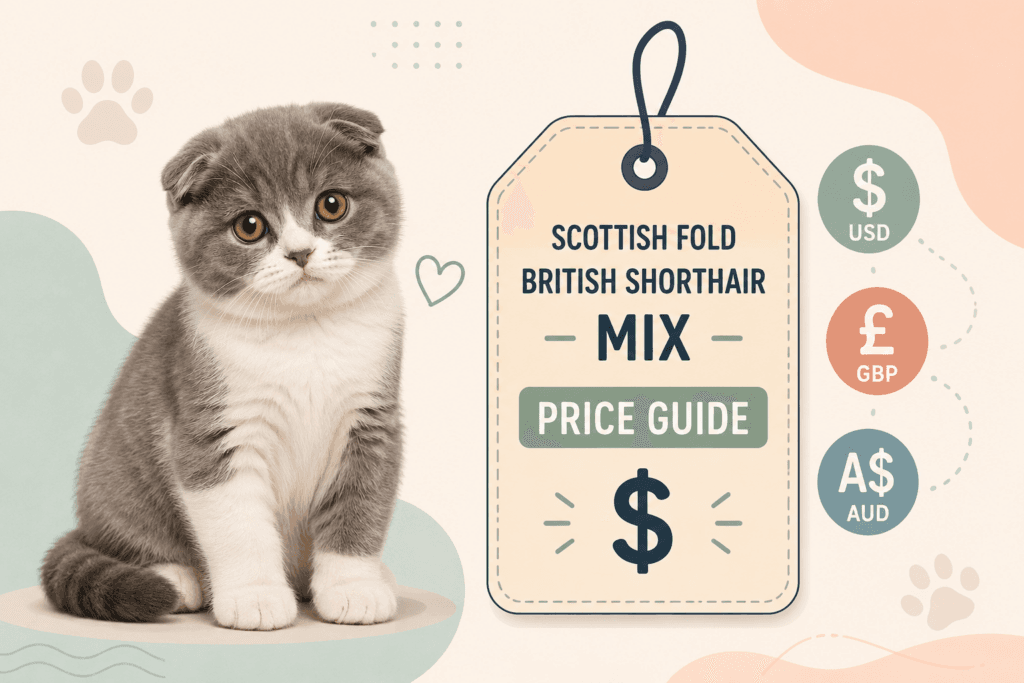
Mixed kittens generally range from $400 to $1,500, typically lower than a purebred Scottish Fold due to the mixed pedigree.
UK Price Range
Prices often fall between £300 and £1,000, depending on ear type, color, and whether the breeder is registered.
Australia Price Range
Expect roughly AUD 600 to AUD 2,000, with folded-ear kittens usually priced higher than straight-eared littermates.
What Affects the Price (Ear Type, Color, Breeder)
Folded ears typically command a higher price than straight ears due to demand, and rarer colors or documented health screening can push the price higher still.
Where to Find Scottish Fold British Shorthair Mix Kittens for Sale
Ethical Breeder Checklist
Look for breeders who provide health records for both parent cats, allow you to meet the kittens in person, and are transparent about the ear-fold gene’s health implications rather than avoiding the topic.
Red Flags to Watch For
Be cautious of sellers offering multiple mixed breeds at once, no registration or health paperwork, or unusually low prices with no willingness to answer health questions.
Adoption & Rescue Option
Mixed-breed cats, including Fold-Shorthair crosses, are sometimes available through shelters or breed-specific rescues, often at a lower cost and with health checks already completed. Our guide to Scottish Fold care for beginners is a useful next step once you bring one home.
Scottish Fold vs British Shorthair vs the Mix Quick Comparison
Size Comparison
British Shorthairs tend to run slightly larger and heavier than Scottish Folds, with the mix usually landing in between.
Personality Comparison
Scottish Folds are generally more affectionate and people-focused, while British Shorthairs are calmer and more independent the mix often lands in a balanced middle ground.
Shedding Comparison
Both parent breeds are moderate shedders, and the mix follows the same pattern, with heavier shedding during seasonal coat changes.
Comparison Table
| Feature | Scottish Fold | British Shorthair | Scottish Fold British Shorthair Mix |
|---|---|---|---|
| Ears | Folded (dominant gene) | Straight | Folded or straight (varies by kitten) |
| Body size | Medium | Medium-large, stocky | Medium-large |
| Coat | Short, dense | Short, very dense | Short to semi-long, dense |
| Temperament | Affectionate, people-focused | Calm, independent | Balanced, sociable |
| Lifespan | 11–14 years | 12–17 years | 12–16 years |
| Average price (USA) | $800–$2,500 | $1,000–$2,000 | $400–$1,500 |
FAQ
Are Scottish Fold and British Shorthair related?
Yes. Early Scottish Fold breeding programs used British Shorthairs to help establish the breed’s round, sturdy body type, so the two breeds share genetic ancestry.
Is a Scottish Fold a British Shorthair?
No, the Scottish Fold is its own recognized breed, though British Shorthair genetics are part of its foundation bloodlines.
Why are British Shorthairs not cuddly?
British Shorthairs are typically more independent than clingy, often preferring to relax nearby rather than be held constantly though individual cats vary, and mixes with the Scottish Fold tend to be more affectionate.
What are the negatives of Scottish Folds?
The main concern is a genetic joint and cartilage condition called osteochondrodysplasia, linked to the same gene responsible for the folded ears.
Conclusion
Is This Mix Right for You?
If you like the idea of a plush, round-faced cat with a balanced, easygoing temperament and you’re prepared to ask the right health questions about ear type a Scottish Fold British Shorthair mix can be a rewarding, lower-cost alternative to a purebred Fold.
Related Reads
- Scottish Fold Cat Breed Profile
- Scottish Cat Breeds: Every Breed from Scotland Explained
- Scottish Fold Longhair (Highland Fold) Breed Guide
- Scottish Fold Care Tips for Beginners
This article provides general educational information about the Scottish Fold British Shorthair mix and is not a substitute for professional veterinary advice. Always consult a licensed veterinarian for health concerns specific to your cat.