

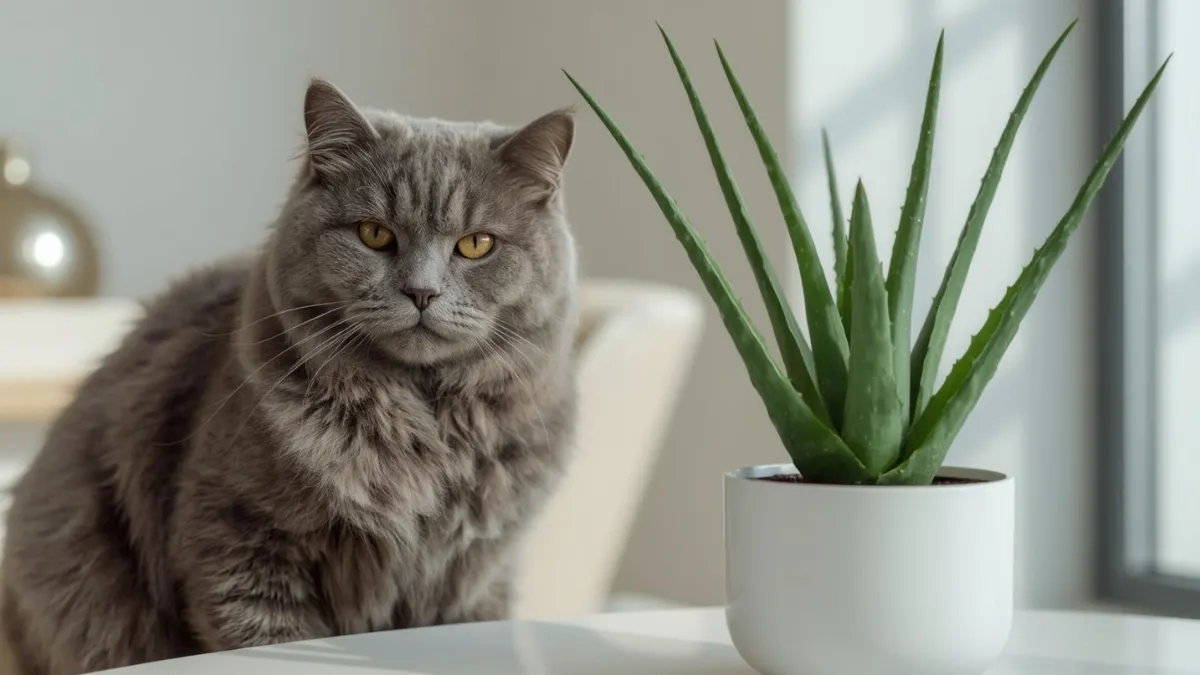
If you live with a cat and keep houseplants or use aloe based products, it is completely natural to wonder whether aloe vera is safe for cats. Aloe is widely known for its soothing and healing properties in humans, which often leads pet owners to assume it is harmless for animals as well.
The honest answer is simple but important. Aloe vera is not considered safe for cats, especially when it comes to the aloe plant itself. While it is not one of the most dangerous plants, it can still cause digestive upset and discomfort if a cat chews or ingests it.
Understanding why aloe affects cats differently helps prevent unnecessary health issues.
Quick Answer for Cat Owners
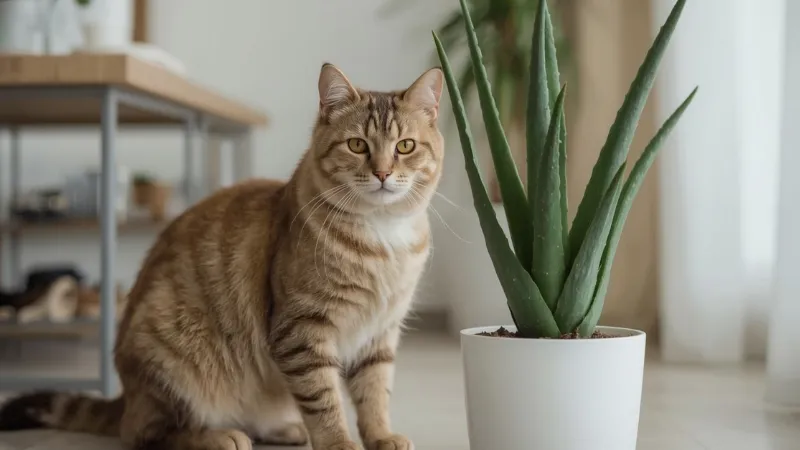
Aloe vera plants are toxic to cats when eaten. The clear inner gel is less harmful, but the outer sap and latex layer contain compounds that irritate a cat’s digestive system. Because cats often chew plants out of curiosity, aloe should be kept out of their reach.
Aloe based products can also be risky if a cat licks them after application.
Table of Contents
Why Aloe Vera Is Not Considered Safe for Cats
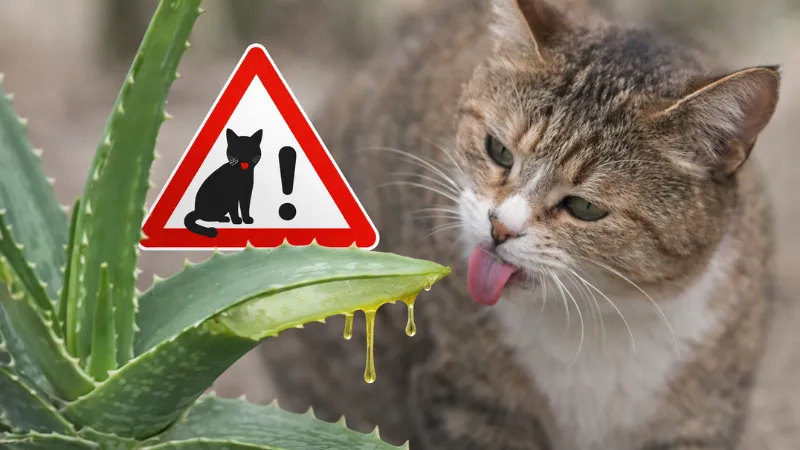
Veterinary sources consistently explain that aloe vera contains natural chemical compounds that cats cannot tolerate well. These compounds are designed by the plant as a defense mechanism and may be helpful to humans, but a cat’s body processes them very differently.
Cats have sensitive digestive systems and limited ability to break down certain plant chemicals. Even small exposure can result in stomach irritation rather than providing any benefit.
This is why aloe is listed among household plants that pose a risk to pets.
Which Part of the Aloe Plant Is Harmful
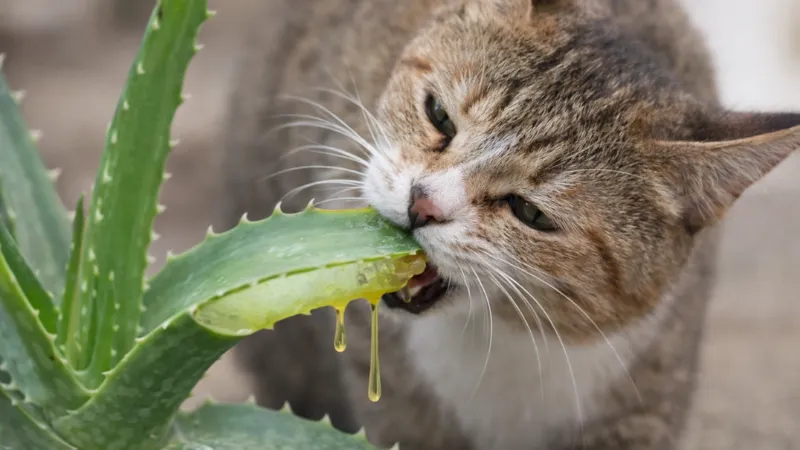
This is where many cat owners get confused.
The clear inner gel is often processed and purified for human products. The outer leaf and latex sap contain the irritating compounds that cause problems in cats. When a cat bites into a fresh aloe plant, it comes into contact with this sap immediately.
Most reported cases of aloe related illness in cats involve chewing or ingesting the plant itself rather than exposure to purified products.
What Happens If a Cat Eats Aloe Vera
When a cat eats part of an aloe plant, symptoms usually appear within a few hours. In most cases the reaction is mild, but it should still be taken seriously.
Cats may experience stomach upset because the compounds in aloe irritate the digestive tract. This does not typically lead to life threatening poisoning, but dehydration and discomfort can occur if symptoms continue.
Early awareness helps prevent complications.
Common Symptoms of Aloe Vera Exposure in Cats
Veterinary reports describe a consistent pattern of symptoms after aloe ingestion. These may include vomiting, diarrhea, loss of appetite, lethargy, and general discomfort. Some cats may also show signs of abdominal cramping or weakness.
The severity depends on how much was eaten and the individual cat’s sensitivity.
Is Aloe Vera Gel Safe for Cats
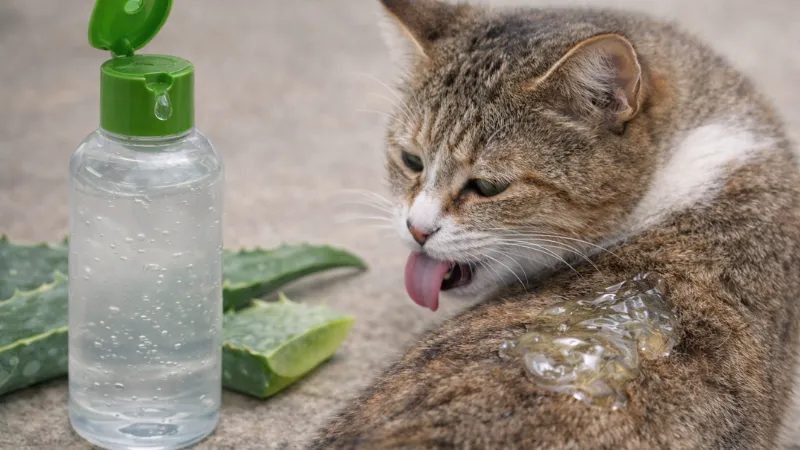
This is one of the most question question, We receive from cat owners.
Processed aloe gel is often stripped of the toxic latex layer, which reduces risk. However, it is still not recommended for cats, especially if there is a chance the cat will lick it.
Cats groom themselves frequently. Any product applied to the skin or fur is likely to be ingested later, which is why even seemingly mild substances can cause problems.
Is Aloe Vera Safe for Cats to Lick or Taste
Occasional accidental licking of a small amount of aloe gel is unlikely to cause severe poisoning. That said, it can still lead to drooling or mild stomach upset.
Cats usually dislike the bitter taste and stop on their own, but repeated exposure should be avoided.
Is Aloe Vera Safe for Cats Skin Fur Eyes and Ears
Topical exposure requires extra caution.
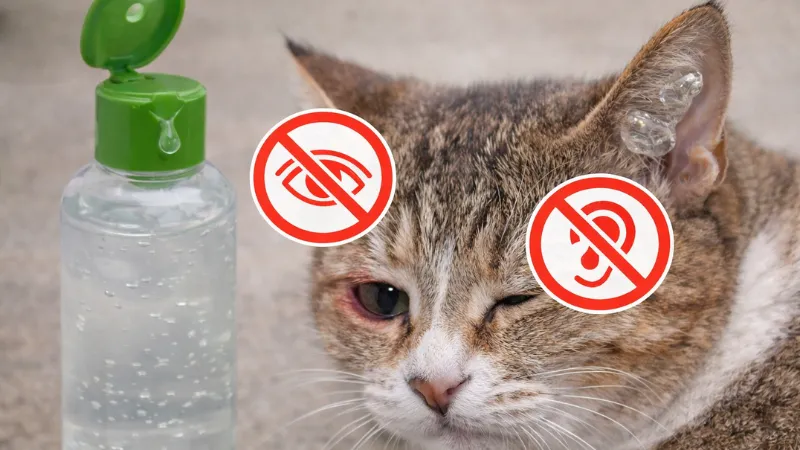
Applying aloe to a cat’s skin or fur increases the risk of ingestion through grooming. Aloe should never be applied near a cat’s eyes or ears, as it can cause irritation and inflammation.
Veterinary sources do not recommend using aloe as a home remedy for feline skin or ear problems.
Can Aloe Vera Be Used on Cats for Skin Issues
Despite its popularity online, aloe vera is not considered a safe treatment for cats. Home remedies often ignore how cats behave and how their bodies respond to certain substances.
If a cat has a skin issue, the safest option is veterinary guidance rather than experimenting with plant based treatments.
What To Do If Your Cat Eats Aloe Vera
If you notice your cat chewing on an aloe plant, remove access immediately. Monitor for vomiting, diarrhea, or unusual behavior.
If symptoms appear or persist, contacting a veterinarian is the safest next step. In more serious cases, fluid support may be needed to prevent dehydration.
Are Aloe Vera Plants Safe to Keep in Homes With Cats
Aloe plants are best placed in areas completely inaccessible to cats or avoided altogether. Many indoor cats chew plants out of boredom or curiosity, even if they are otherwise well cared for.
If you are building a cat friendly home, plant safety should be part of overall cat health and safety planning. You may also find it helpful to read our guide on are jade plants toxic to cats, which covers another commonly kept houseplant.
Why Aloe Vera Is Often Misunderstood by Cat Owners
Aloe’s reputation as a healing plant leads many owners to assume it is universally safe. The word natural often creates a false sense of security.
In reality, many natural substances are irritating or toxic to pets. Understanding this distinction prevents well intentioned mistakes.
Final Thoughts From a Veterinary Perspective
Aloe vera is not among the most dangerous plants for cats, but it is not safe. Most issues occur when cats chew the plant or ingest products during grooming.
In real world veterinary guidance, prevention is always more effective than treatment. Choosing cat safe plants and avoiding unverified home remedies protects your cat’s health in the long run.
For broader household risk awareness, you may also want to review our article on is vinegar bad for cats, which explains similar safety considerations with everyday products.
Common Questions
Is Aloe Vera poisonous to cats?
Yes. Aloe plants are considered toxic to cats when ingested, mainly due to the latex sap in the leaves.
Can cats lick Aloe Vera gel?
Small accidental licking is unlikely to be dangerous, but it can still cause stomach upset and should be avoided.
Is Aloe Vera safe for cats skin?
Veterinary sources do not recommend using aloe on cats due to the risk of irritation and ingestion during grooming.
What should I do if my cat eats aloe?
Remove the plant, monitor for symptoms, and contact a veterinarian if vomiting or diarrhea occurs.
Sources and veterinary references
Animal Wellness Magazine: https://animalwellnessmagazine.com/aloe-vera-safe-dogs-cats/
Wag Walking Veterinary Guide: https://wagwalking.com/cat/condition/true-aloe-poisoning
National Center for Biotechnology Information (NCBI / PMC): https://www.mdpi.com/2072-6651/15/5/346
Pretty Litter: https://www.prettylitter.com/blog/is-aloe-safe-for-cats











One Response