
A good cat grooming schedule isn’t one fixed routine that works forever. What a kitten needs looks nothing like what a senior cat needs, and using the same approach at every life stage often means either under-grooming an older cat or overwhelming a young one before they’re ready.
This guide breaks the ideal cat grooming schedule down by age, covering brushing, bathing, and nail trims for kittens, adults, and senior cats, with guidance that applies whether you’re in the UK, the US, or Australia.
Why Grooming Frequency Changes With Age
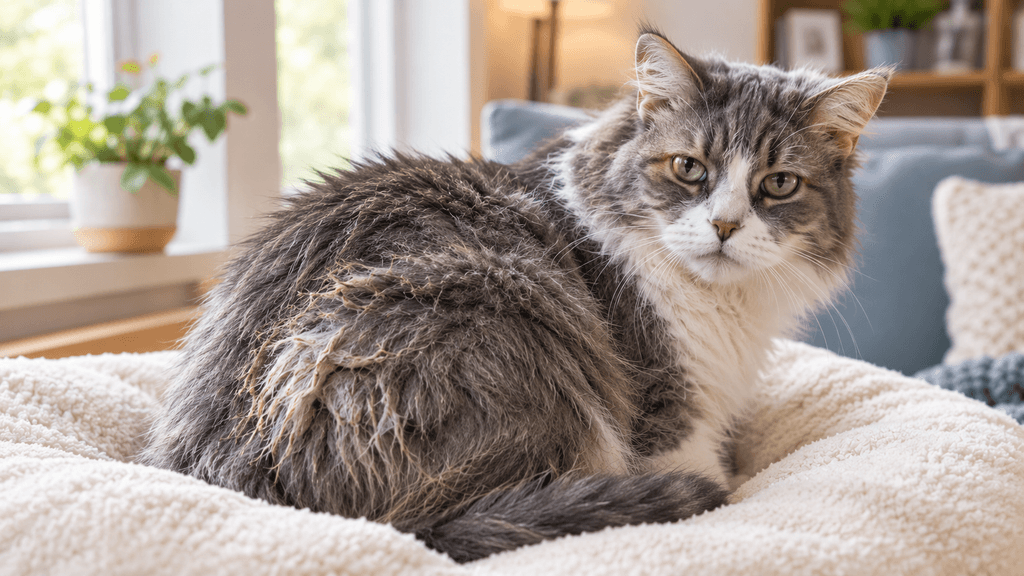
Age affects grooming needs for a few clear reasons. Kittens are still learning to tolerate handling, so their early sessions should focus on building comfort rather than achieving a perfectly groomed coat. Adult cats are usually at their most self-sufficient, grooming themselves several hours a day, which means your job is mostly maintenance and mat prevention.
Senior cats are a different story entirely. Reduced flexibility, arthritis, and general mobility loss often mean older cats simply can’t reach certain areas anymore, particularly around the hips, lower back, and tail base, which is exactly where they’ll need the most help from you.
Cat Grooming Schedule for Kittens (Under 6 Months)
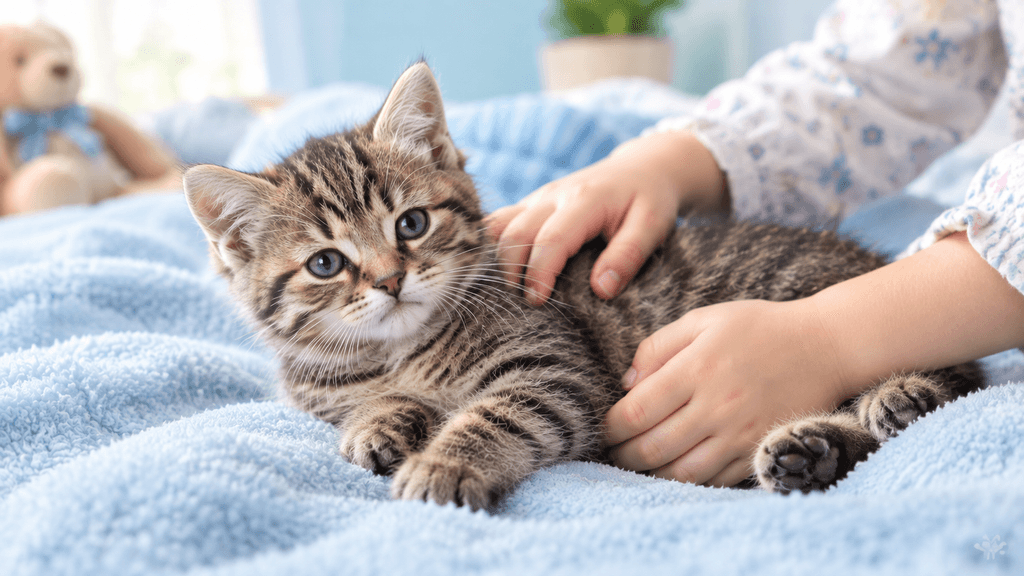
Introducing grooming between 7 and 12 weeks old gives kittens the best chance of growing into adults who tolerate the process without a fight. Waiting until after 6 months often means starting from a place of avoidance rather than neutral curiosity, which takes much longer to undo.
Early sessions should be short, positive, and low pressure:
- 6 to 8 weeks: gentle handling and touch, around 30 seconds per session
- 8 to 10 weeks: introduce a soft brush along with paw touching, 1 to 2 minutes
- 10 to 12 weeks: short brushing sessions plus ear and eye checks, 2 to 3 minutes
- 12 to 16 weeks: full grooming sessions, including a first professional visit if desired
Cat Grooming Schedule for Adult Cats (1 to 10 Years)
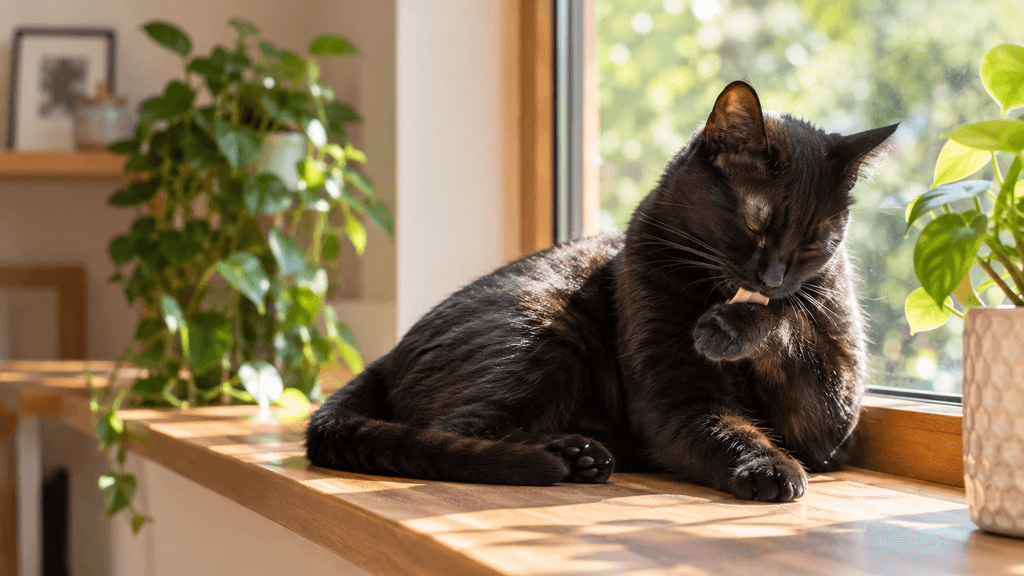
Adult cats generally handle most of their own grooming, but coat type still determines how much help they need from you. Short-haired adult cats usually do fine with brushing once or twice a week, while medium-haired breeds benefit from a few sessions weekly to prevent tangling.
Long-haired adult cats need daily or near-daily brushing to stay ahead of mats, since even one skipped week can lead to knots that become genuinely painful to remove. Nail trims for most adult cats fall somewhere between every 2 to 4 weeks, and baths generally aren’t necessary unless your cat gets into something messy or has a specific skin condition.
Cat Grooming Schedule for Senior Cats (10+ Years)
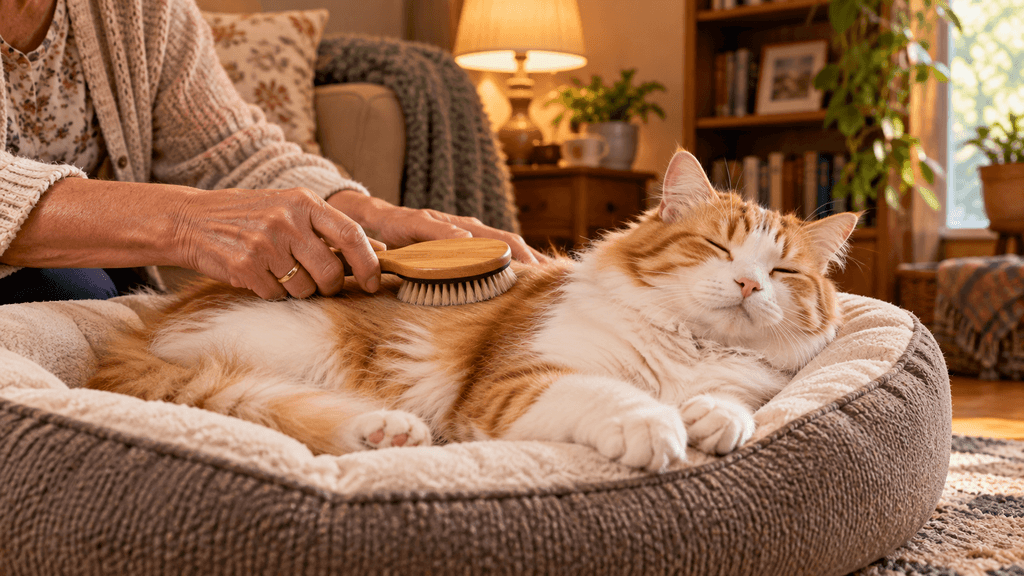
This is where a cat grooming schedule needs the biggest adjustment. Senior cats often groom themselves less thoroughly, not because they’ve lost interest, but because stiff joints and reduced mobility make it physically harder to reach certain spots. This is exactly why so many senior cats develop mats specifically around the hips, lower back, and tail base.
Gentle, frequent, shorter sessions tend to work better than long grooming marathons at this stage. A few short brushing checks per week, done with a soft brush, along with slightly more frequent nail checks, since senior cats’ nails often grow thicker and less naturally worn down through activity, will keep most older cats comfortable.
Cat Grooming Schedule by Age and Coat Type
| Life Stage | Brushing Frequency | Nail Trims | Bathing |
|---|---|---|---|
| Kitten (under 6 months) | Short sessions, 2 to 4 times weekly | Introduce gently, monthly | Rarely needed |
| Adult, short-haired | 1 to 2 times weekly | Every 2 to 4 weeks | As needed only |
| Adult, long-haired | Daily or near-daily | Every 2 to 4 weeks | Every 4 to 8 weeks |
| Senior cat | Short sessions, several times weekly | Every 2 to 3 weeks | As needed, gently |
How to Adjust the Schedule for Your Specific Cat
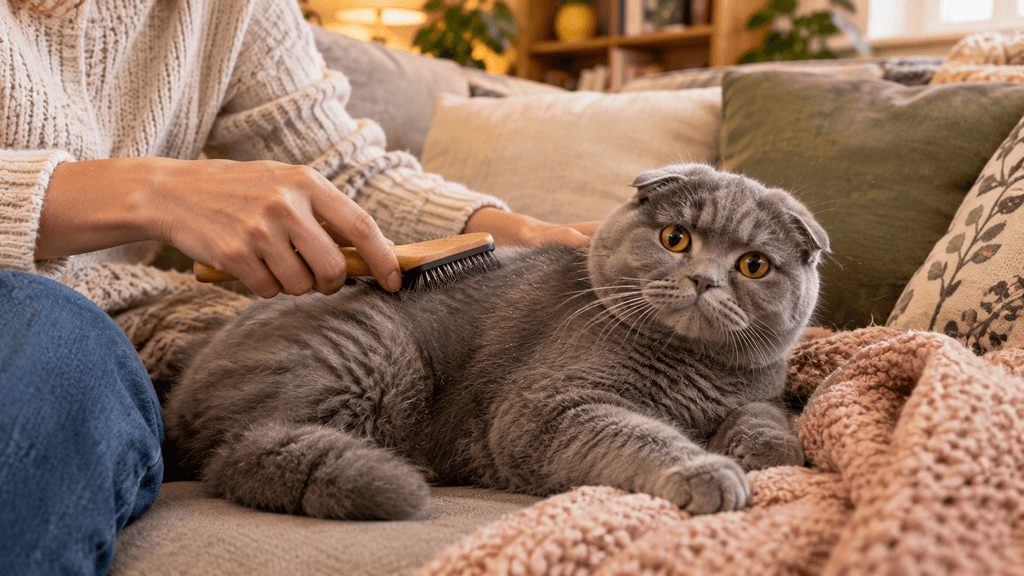
Coat length still matters more than age alone in some cases, so a young long-haired cat may need daily attention while a healthy short-haired senior might only need a couple of extra checks a week. For breed-specific guidance, our Scottish Fold Cats Care and Grooming guide covers how coat type factors into a realistic routine for that particular breed.
Health conditions can shift this schedule too. A cat recovering from illness or carrying extra weight may need more frequent help regardless of age, since both situations make self-grooming harder. Cats naturally spend a large portion of their waking hours on self-grooming, something Wikipedia’s entry on cat grooming covers in more detail, which is part of why any decline in that habit is worth paying attention to. If your cat actively resists these sessions, our guide on Why Does My Cat Hate Grooming covers practical ways to make the process easier at any life stage.
Frequently Asked Questions
1. How often should I groom my cat?
Most adult cats do well with brushing once or twice a week for short coats, and daily for long coats, though this should adjust based on age, health, and how much matting tends to occur.
2. How often should you groom a kitten?
Kittens should start with very brief sessions, around 30 seconds to a few minutes, several times a week beginning around 7 to 12 weeks old, gradually building toward a full grooming routine by 4 months.
3. What is the grooming schedule for cats?
There isn’t one universal schedule, since it depends heavily on age and coat type, but a general starting point is a few short sessions weekly for most cats, increasing for long-haired breeds and decreasing slightly for very young kittens still adjusting to handling.
4. Do senior cats need more grooming?
Yes, in most cases. Reduced mobility and joint stiffness make it harder for senior cats to reach certain areas themselves, so they typically need more frequent, gentler help from their owners than a healthy adult cat would.
Final Thoughts
Building the right cat grooming schedule doesn’t have to be complicated once you understand how age changes everything. A kitten just starting out needs a completely different approach than an adult cat, and a senior cat needs something different again — which is exactly why a single, fixed cat grooming schedule rarely works well for the entire lifetime of a cat.
Whether you’re caring for a playful kitten, a self-sufficient adult, or a senior cat that needs a little extra help, getting the cat grooming schedule right is one of the simplest ways to support your cat’s comfort, coat health, and overall wellbeing at every age.