
If you’re asking why does my cat hate grooming, you’re far from alone. Plenty of cats tense up, run off, or swat the moment a brush appears, and it usually comes down to fear, past discomfort, or simply the wrong approach rather than a stubborn personality.
The good news is that most cats can learn to tolerate, and sometimes even enjoy, grooming with the right technique. Below are 7 practical ways to make the process easier, whether you’re dealing with mild fidgeting or a cat that fully refuses to be brushed.
Why Do Some Cats Hate Grooming
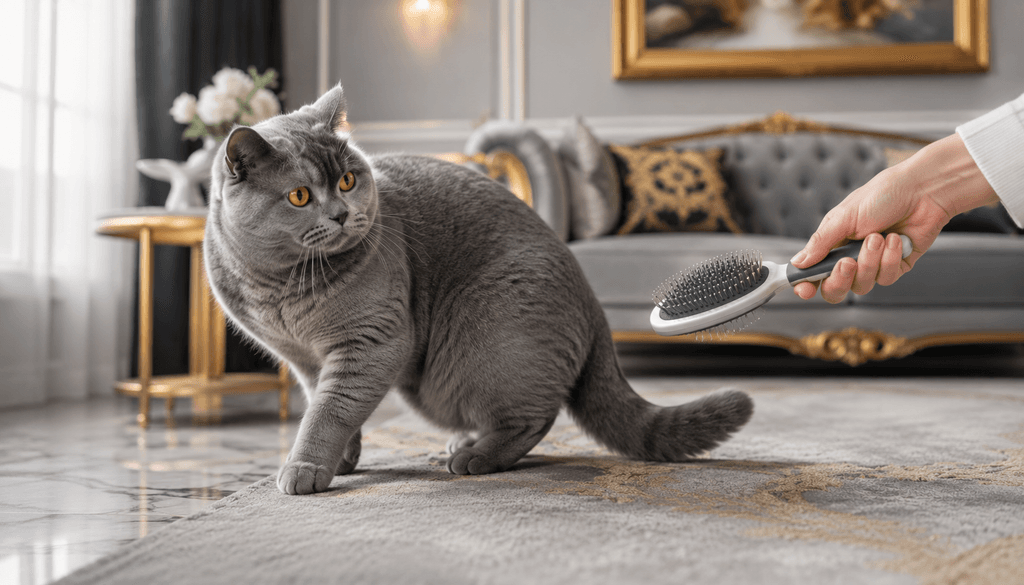
Before trying to fix the problem, it helps to understand why does my cat hate grooming in the first place. For many cats, the issue traces back to a painful mat that got yanked at some point, a rough brush that pulled instead of glided, or simply being restrained too tightly during an early grooming attempt.
Cats are also naturally sensitive about their body being controlled by someone else, which is very different from the self-directed licking they do on their own terms. Add in tender spots like the belly, tail base, or paws, and it’s easy to see why grooming can feel more like a threat than a treat to some cats. Breed also plays a role here, and our guide on Scottish Fold Cats Care and Grooming covers how coat type and temperament affect grooming tolerance.
7 Ways to Make Grooming Easier for a Cat That Hates It
1. Rule Out Pain First
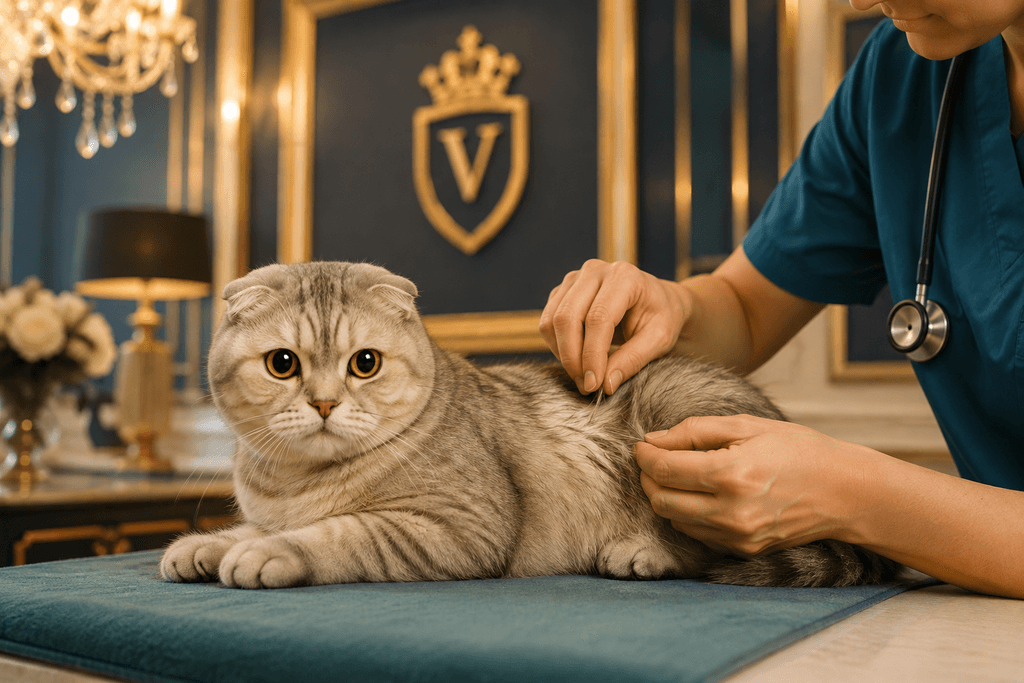
This is often the real answer to why does my cat hate grooming in the first place. Before assuming your cat just dislikes grooming, check for mats, sore spots, or skin irritation that could be making the experience genuinely painful. A cat that flinches, hisses, or bites specifically when one area is touched may be reacting to discomfort rather than general dislike, and a vet visit is worth considering if this seems to be the case. The Cornell Feline Health Center has useful, vet-reviewed guidance on recognizing pain signals in cats during handling.
2. My Cat Hates Being Groomed, So Start With No Touching at All
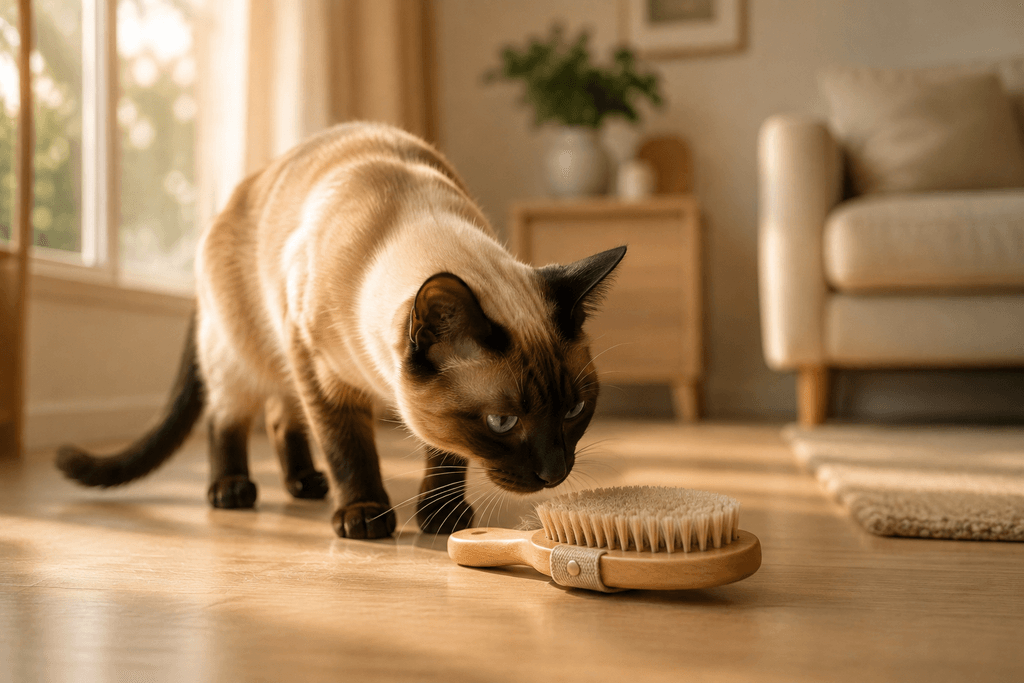
If your cat hates being groomed the moment a brush comes out, skip the brush entirely at first. Leave it sitting in a room your cat already feels relaxed in, with no pressure to interact with it. Let curiosity do the work before any actual brushing begins.
3. Try the Scent Exchange Trick
Rub a soft cloth gently along your cat’s cheeks to pick up their natural scent, then rub that same cloth on the brush handle and bristles. A brush that already smells familiar feels far less threatening than one that smells like plastic and nothing else.
4. Pick a Gentle Brush
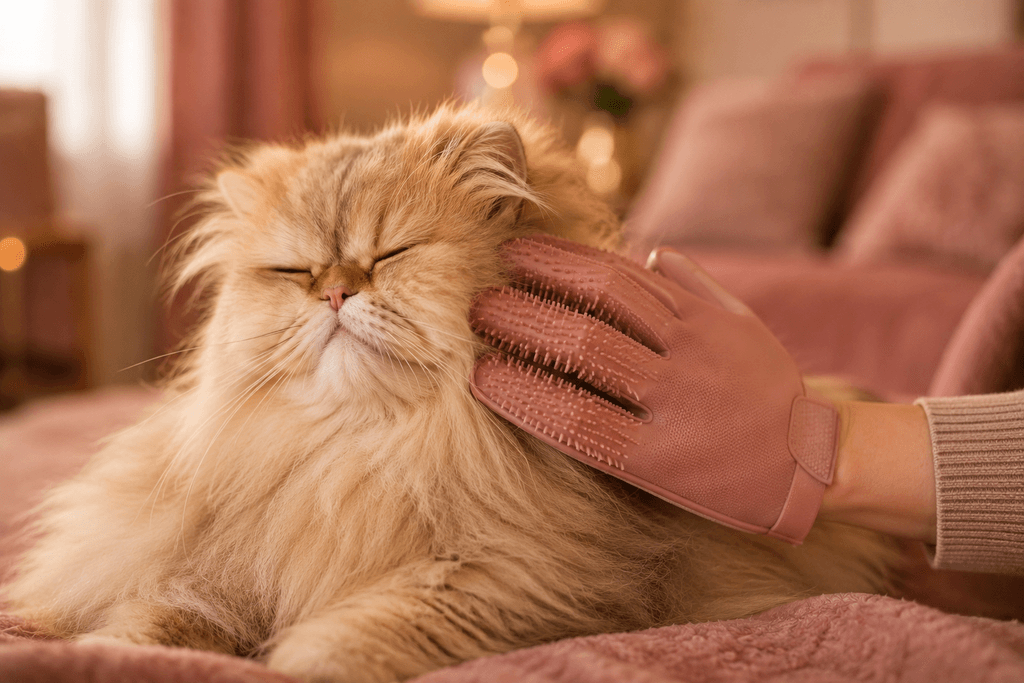
Not every brush works for every cat, and this is often the real reason a cat hates being brushed. A soft grooming glove or mitt with silicone tips feels more like petting than brushing, making it a good starting point for cats that resist traditional slicker brushes.
5. Pick the Right Clippers
If nail trimming is part of the struggle too, using clippers sized correctly for your cat, rather than human nail clippers, makes a noticeable difference. Dull or overly large clippers can pinch or crush instead of cutting cleanly, which quickly teaches a cat to associate the whole process with pain.
6. Keep Sessions Short and Reward Generously
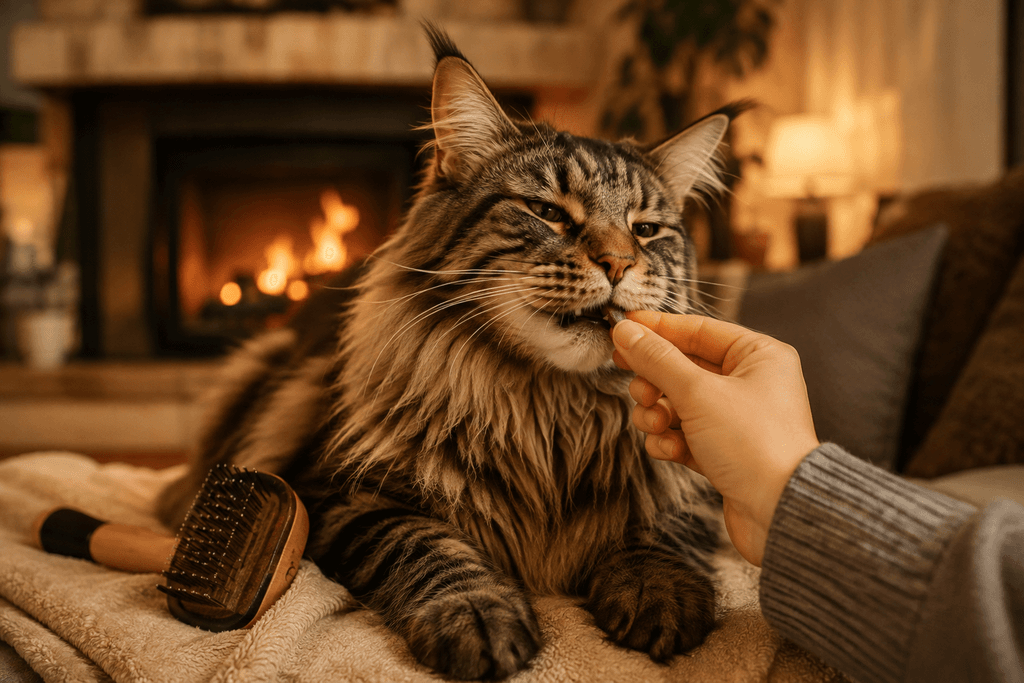
Brushing an uncooperative cat for even 30 seconds and stopping while things are still calm works better than pushing for a full grooming session. Pair every attempt with a treat or praise immediately afterward, so the cat starts associating grooming with something good rather than something to escape.
7. Know How to Hold or Restrain a Cat for Grooming Safely
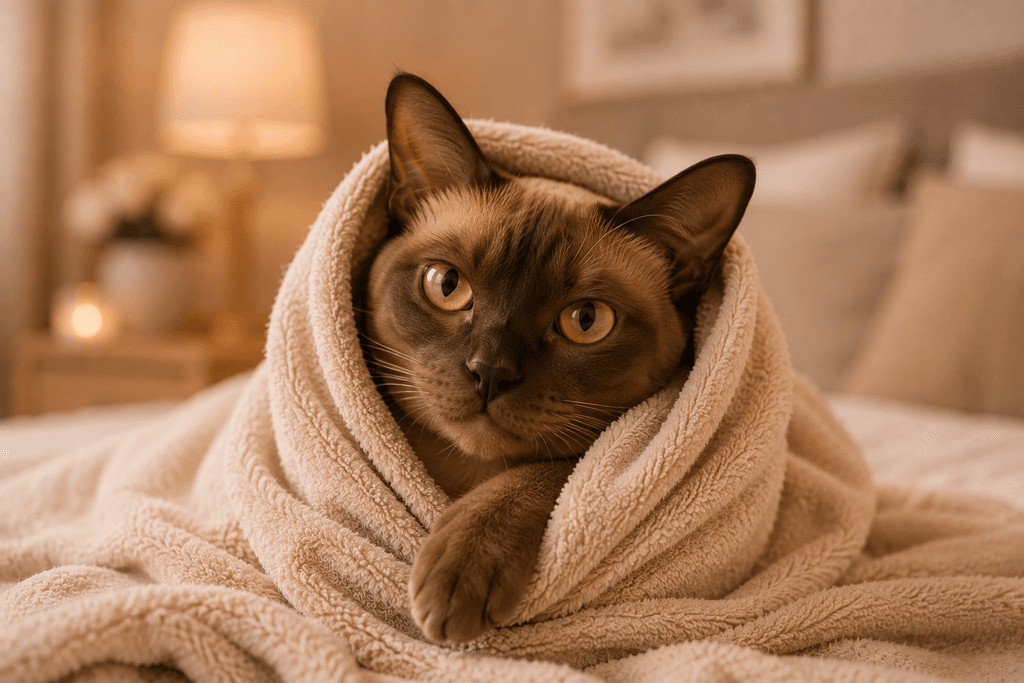
For cats that need extra help staying still, gently wrapping them in a towel with just the area you’re working on exposed, sometimes called the towel burrito method, can reduce squirming without frightening or hurting them. This same gentle handling matters for ear care too, something our guide on How to Clean Scottish Fold Ears at Home walks through step by step. This should always be gentle and brief, and if a cat continues to panic even with this method, it may be time to bring in a professional groomer or vet who can safely sedate a cat for grooming if genuinely necessary.
Grooming Tools Comparison
If the wrong tool is a big part of why does my cat hate grooming, this table can help you find a better fit.
| Tool | Best For | Why It Helps |
|---|---|---|
| Grooming glove or mitt | Cats that resist brushes entirely | Feels like petting, not brushing |
| Soft slicker brush | Mild shedding, cats tolerating basic brushing | Gentle bristles reduce pulling |
| Deshedding comb | Long-haired or heavily shedding cats | Removes loose undercoat efficiently |
| Cat-specific nail clippers | Nail trims | Sized correctly to avoid pinching |
| Detangling spray | Cats prone to mats | Loosens knots before brushing |
Frequently Asked Questions
1. What should I do if my cat refuses to be groomed?
Start smaller than you think you need to, sometimes just letting the brush sit nearby without touching your cat at all. Build up slowly with treats and short sessions, and rule out pain or mats if refusal seems sudden or extreme.
2. How do I immobilize my cat for grooming?
A gentle towel wrap, exposing only the area being groomed, is the safest at-home method for cats that need extra help staying still. This should never involve force or pinning a cat down, and a professional groomer can help with more difficult cases.
3. Is grooming traumatic for cats?
It can be if a cat has had a painful experience in the past, such as a mat being pulled roughly or an aggressive brushing session. With a slow, positive approach, most cats can learn that grooming isn’t something to fear.
4. Why do some cats hate grooming?
There’s rarely one single answer to why does my cat hate grooming, but past pain, sensitive body areas, feeling restrained, or simply an abrupt introduction to unfamiliar tools are the most common reasons. Genetics and individual temperament play a role too, with some cats naturally more tolerant of handling than others.
Final Thoughts
If you’ve been asking why does my cat hate grooming for weeks or months, know that this is one of the most common concerns cat owners search for, and it’s rarely a lost cause. Most cats who seem to hate grooming aren’t being stubborn, they’re reacting to fear, past pain, or tools that never felt comfortable in the first place.
Understanding why does my cat hate grooming is really just the first step. The real progress happens once you start applying the right fix, whether that’s a gentler brush, shorter sessions, or simply letting your cat set the pace early on.
At the end of the day, the answer to why does my cat hate grooming usually says more about their past experiences than their personality. With patience and the right approach, most cats can learn that grooming isn’t something to fear.