

If you live with a cat, vinegar is probably already in your home. It is commonly used for cleaning, deodorizing, or as a natural household solution. Because cats are curious and sensitive animals, it is completely reasonable to wonder whether vinegar could be harmful to them.
The short and honest answer is this:
vinegar is not considered toxic to cats, but it is not completely safe either.
How vinegar affects a cat depends on how it is used and how the cat comes into contact with it.
This guide explains that difference clearly, without fear or confusion.
Table of Contents
Is Vinegar Bad for Cats?
Veterinary sources do not classify vinegar as a poisonous substance for cats. That means small accidental exposure is unlikely to cause serious poisoning.
However, vinegar is acidic, and cats are far more sensitive to acidity, smells, and irritation than humans. Because of that, vinegar can still cause discomfort or mild health issues if it is misused or if a cat is directly exposed.
So while vinegar is not a dangerous toxin, it is also not something that should be freely used around cats without care.
Why Vinegar Affects Cats Differently Than Humans
Cats process chemicals very differently from people. Their bodies are designed to handle fewer substances, and their senses are much more sensitive.
Vinegar’s acidity can irritate delicate tissues such as the mouth, throat, stomach lining, and skin. In addition, cats have an extremely strong sense of smell, so odors that seem mild to humans can feel overwhelming to them.
This sensitivity is the main reason veterinary sources recommend caution rather than panic.
Do Cats Like Vinegar?
The overwhelming majority of cats strongly dislike both the smell and taste of vinegar. This is not simply a preference, It is a physiological response. Cats have a highly developed sense of smell, and acetic acid, the compound that gives vinegar its sharp odor, registers as an intense and aversive stimulus for most cats.
In behavioral terms, vinegar is actually used as a natural deterrent for this reason. Cat owners sometimes place diluted vinegar near areas they want their cat to avoid, such as specific furniture or garden beds, because the smell is so reliably off-putting to most cats.
However, a small number of cats show an unusual indifference to vinegar or even appear curious about it. This individual variation is normal cats differ in sensory sensitivity just as people do. If your cat sniffs at vinegar without reacting strongly or seems unbothered by the smell during cleaning, that does not mean it is safe to let them be directly exposed to it. The tolerance for smell does not indicate tolerance for ingestion or skin contact.
There is also an occasional report of cats being drawn to apple cider vinegar specifically, possibly because of the fermented fruit scent underneath the acidity. Even so, this curiosity should not be mistaken for safety. Allowing a cat to drink or lick any form of vinegar is not recommended regardless of whether they seem attracted to it.
Different Ways Cats Come Into Contact With Vinegar
Understanding how exposure happens is more important than the vinegar itself.
Accidental Licking or Drinking
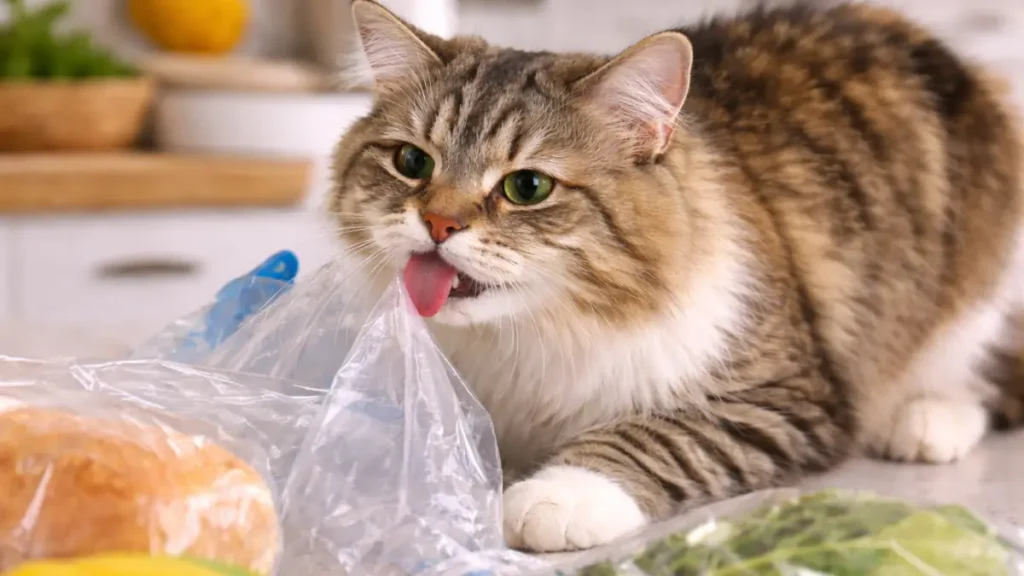
If a cat licks vinegar from a surface or tastes a small amount accidentally, it may cause drooling, mouth irritation, or mild stomach upset. Vomiting can occur, especially if the vinegar is undiluted.
These reactions are unpleasant but usually mild. Vinegar is not known to cause life threatening poisoning when ingested in small amounts.
If your cat has licked a small amount of vinegar from a surface or accidentally tasted a drop, the most likely outcome is mild mouth irritation followed by the cat simply walking away. Cats almost universally dislike the taste of vinegar, so large accidental ingestion is uncommon.
A small lick is generally not a medical emergency. You may notice your cat drooling briefly, pawing at their mouth, or looking uncomfortable. These reactions are normal and typically pass within a few minutes without any intervention needed.
If a cat drinks a larger amount of undiluted vinegar, more noticeable symptoms can occur. These may include repeated drooling, vomiting, reduced appetite, or signs of stomach upset. The acidity in undiluted vinegar can irritate the lining of the mouth, esophagus, and stomach.
In these cases, offering fresh water and monitoring the cat closely for a few hours is usually the appropriate first response. If vomiting continues, if the cat appears lethargic or stops eating, or if you are unsure how much was ingested, contacting your veterinarian directly is the right step.
Cats should never be given vinegar intentionally as a food additive, dietary supplement, or home remedy. No credible veterinary source supports this practice, and the risks outweigh any supposed benefit.
Is the Smell of Vinegar Actually Harmful to Cats?
Vinegar fumes are not toxic, but the strong smell can bother cats. Some cats may sneeze, avoid the area, or show signs of stress when exposed to strong cleaning odors.
This is one of the most commonly searched questions about vinegar and cats, and the answer is not a simple yes or no.
Vinegar fumes are not toxic to cats in the way that bleach or certain essential oil vapors can be. Smelling vinegar briefly in a well-ventilated room is unlikely to cause any physical harm. There is no documented evidence that the odor of vinegar causes respiratory damage or poisoning in cats under normal household conditions.
That said, the smell is genuinely unpleasant and stressful for cats. Their olfactory system is extraordinarily sensitive, and what smells mildly sharp to a human can be overwhelming to a cat. Signs that a cat is bothered by a strong smell include sneezing, shaking their head, leaving the room quickly, excessive grooming around the nose and face, or appearing agitated.
The practical concern is not toxicity, it is stress. Chronically exposing a cat to strong cleaning odors in a confined space, even non-toxic ones, can affect their sense of comfort and security at home. This is especially true for cats that are already anxious or sensitive by nature.
When using vinegar for cleaning, the safest approach is to keep the cat in another room, open windows for ventilation, and allow surfaces to dry and air out fully before allowing the cat back into the area.
Skin, Fur, and Paw Contact
Direct contact with vinegar on the skin or paws can cause irritation, especially if it is undiluted. Cats may lick the area afterward, which increases exposure and discomfort.
This is why veterinary sources advise against applying vinegar directly to a cat’s body.
Is Vinegar Safe to Use for Cleaning in Homes With Cats?
Cleaning vinegar, which is typically higher in acidity than standard white vinegar (often around 6% acetic acid compared to 5%), should be treated with extra caution around cats. The higher concentration means stronger fumes and a greater potential for irritation if a cat walks on a freshly cleaned surface before it dries.
Standard white vinegar diluted with water, on the other hand, is considered reasonably safe for use in cat-occupied homes as long as a few straightforward precautions are followed.
The key steps for safe vinegar cleaning around cats are keeping the cat in a separate room while you clean, diluting the vinegar with water in at least a 1:1 ratio, rinsing the surface with plain water after cleaning, waiting until the surface is completely dry and the smell has fully dissipated, and then allowing the cat to re-enter. This process takes roughly 30 to 60 minutes depending on ventilation.
Floors are a particular concern because cats walk on them with bare paws and then groom themselves. Paw exposure to even mildly acidic residue can cause irritation, and since cats inevitably lick their paws, any residue on the floor is also a potential ingestion risk.
Most veterinary sources agree on one important point:
Safe cleaning practices include:
- Diluting vinegar with water
- Rinsing surfaces after cleaning
- Allowing floors and surfaces to fully dry
- Allowing floors and surfaces to fully dry
- Keeping cats away until cleaning is complete
Problems usually occur when vinegar is used undiluted or when cats are allowed to walk on wet surfaces.
If you are concerned about cleaning safety, you may also want to read our guide on is Pine Sol safe for cats, which explains similar household risks.
Apple Cider Vinegar vs White Vinegar for Cats
Apple cider vinegar deserves a more detailed explanation because it is so frequently promoted online as a natural remedy for cats. Many websites and social media posts suggest using it for flea treatment, digestive issues, urinary tract problems, or skin conditions in cats. This information is not supported by veterinary evidence and can cause real harm.
Apple cider vinegar is acidic in the same way white vinegar is with a pH typically between 3 and 4. At that level of acidity, it can irritate mucous membranes, the esophagus, and the stomach lining when ingested. Applied to the skin or coat, it can cause dryness, irritation, and discomfort, particularly on areas where the skin is thin or already inflamed.
The most commonly claimed use adding apple cider vinegar to a cat’s water to treat urinary issues is particularly concerning. Cats are obligate carnivores with a digestive system that is not designed to process significant amounts of acid. Adding any acidic substance to their water can reduce their water intake, which is the opposite of what is needed for urinary health. It can also cause nausea or stomach upset.
If your cat is experiencing urinary, digestive, or skin issues, a veterinarian consultation is the appropriate response not a home remedy that has not been clinically evaluated for feline use.
Why Vinegar Should Not Be Used as a Remedy for Cats
One of the most common myths online is using vinegar for fleas, skin problems, or other home remedies.
Veterinary reviewed sources consistently state that:
- Vinegar does not reliably kill fleas
- Vinegar can irritate skin and eyes
- Vinegar should not be used in ears
- Vinegar is not a safe treatment for digestion or urinary issues
Using vinegar as a home remedy can delay proper treatment and cause unnecessary discomfort.
Does Vinegar Keep Cats Away? What Actually Happens
Many people search online about using vinegar as a cat repellent, either to keep their own cat away from certain areas or to deter stray cats outdoors. This is worth addressing clearly because the answer is more nuanced than most websites admit.
Cats do strongly dislike the smell of vinegar. Their sense of smell is roughly 14 times stronger than a human’s, which means the sharp, acidic scent of vinegar is genuinely overwhelming for them. In that sense, YES, vinegar can deter cats from approaching a specific area temporarily.
However, using vinegar as a cat repellent comes with real limitations. The smell fades quickly once it dries, especially outdoors, which means it needs constant reapplication to stay effective. It does not work on all cats equally, and some cats simply learn to tolerate or ignore the scent over time.
More importantly, if you are using vinegar to keep your own indoor cat away from furniture or certain rooms, this approach can cause unnecessary stress. Repeated exposure to strong odors in enclosed spaces can make cats anxious, affect their appetite, or cause them to avoid areas they normally use, including their litter box.
If you need to redirect your cat’s behavior, safer and more effective alternatives include double-sided tape on surfaces, motion-activated deterrents, or simply providing an attractive alternative such as a scratching post near the area you want protected.
Cats That Are More at Risk From Vinegar Exposure
Some cats are more sensitive than others. Extra caution is recommended for:
- Kittens
- Cats with kidney disease
- Cats with respiratory conditions
- Cats with sensitive skin or allergies
For these cats, even mild irritation can be more stressful.
What To Do If a Cat Is Exposed to Vinegar
If exposure happens:
- Remove the cat from the area
- Rinse affected skin or paws with water if needed
- Allow fresh air into the room
- Monitor for vomiting or irritation
If symptoms continue or worsen, contacting a veterinarian or a trusted animal poison resource is the safest next step. The ASPCA Animal Poison Control Center is commonly referenced by veterinary professionals for guidance.
Safer Ways to Clean a Home With Cats
If you prefer to reduce risk:
- Use pet specific cleaners
- Avoid strong fragrances
- Clean when cats are in another room
- Always rinse and dry surfaces
Plant safety is another overlooked issue in cat friendly homes. You may also find our article on are jade plants toxic to cats helpful if you keep houseplants.
Final Thoughts From a Veterinary Perspective
Vinegar is not one of the most dangerous household substances for cats, but it is also not harmless. Most problems occur due to misuse, direct contact, or well meaning home remedies.
In real world veterinary experience, most household issues can be avoided by focusing on basic cat health and safety rather than reacting after exposure.
A calm, informed approach is always better than fear.
Common Questions from Cat Owner
Is vinegar toxic to cats?
Vinegar is not classified as toxic, but it can cause irritation if misused or ingested.
Can cats drink vinegar?
Cats should not drink vinegar. It may cause stomach upset and discomfort.
Is vinegar safe to clean floors around cats?
Diluted vinegar can be used if floors are rinsed, dried, and cats are kept away during cleaning.
Does vinegar keep cats away?
Yes, temporarily. Cats dislike the smell of vinegar, so it can deter them from specific areas. However, the effect fades quickly as it dries and does not work equally on all cats. It is not recommended for indoor use due to the stress it can cause.
Is the smell of vinegar harmful to cats?
Vinegar fumes are not toxic, but the strong smell is genuinely distressing for cats due to their sensitive nose. Prolonged exposure in a closed space can cause stress and discomfort. Always ventilate the room and keep cats away while cleaning with vinegar.
What happens if a cat drinks vinegar?
A small sip usually causes brief mouth irritation and drooling. Larger amounts may cause vomiting or stomach upset due to the acidity. Offer fresh water and monitor closely. If symptoms persist or the cat seems lethargic, contact your vet.
Is apple cider vinegar safe for cats to drink?
No. Despite popular online claims, apple cider vinegar is not safe for cats to ingest. It is acidic and can irritate the digestive system. There is no veterinary evidence supporting its use as a remedy for feline health conditions.
Can cats be around vinegar during cleaning?
Cats should be kept out of the room while cleaning with vinegar. Allow surfaces to fully dry and the smell to dissipate typically 30 to 60 minutes before letting them back in. This prevents paw contact and inhalation of concentrated fumes.
Is white vinegar or apple cider vinegar worse for cats?
Both are similarly acidic and carry the same general risks. Neither is recommended for direct use on or around cats. Cleaning vinegar, which has a higher acidity level, carries the greatest risk and should be used with extra caution.











2 Responses