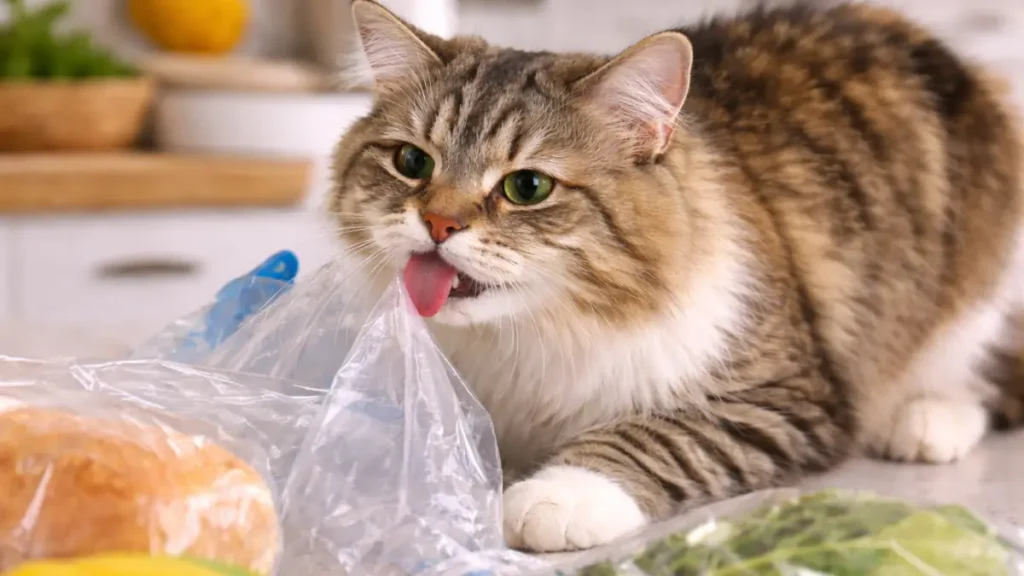


If you live with a cat and keep houseplants, snake plants often raise concern. They are popular, low maintenance, and found in many homes. But when cats and plants share the same space, safety matters more than style.
The short and honest answer is no. Snake plants are not considered safe for cats. They are mildly toxic when chewed or eaten, even though they are not among the most dangerous plants.
What matters most is how exposure happens, not just the plant itself.
Table of Contents
Short Answer Are Snake Plants Toxic to Cats?
Yes. Veterinary sources classify snake plants as toxic to cats when ingested.
That does not mean every cat will become seriously ill. Most reactions are mild to moderate, especially if only a small amount is chewed. However, the plant should still be kept out of reach because repeated or larger exposure can cause discomfort and digestive upset.
What Is a Snake Plant?
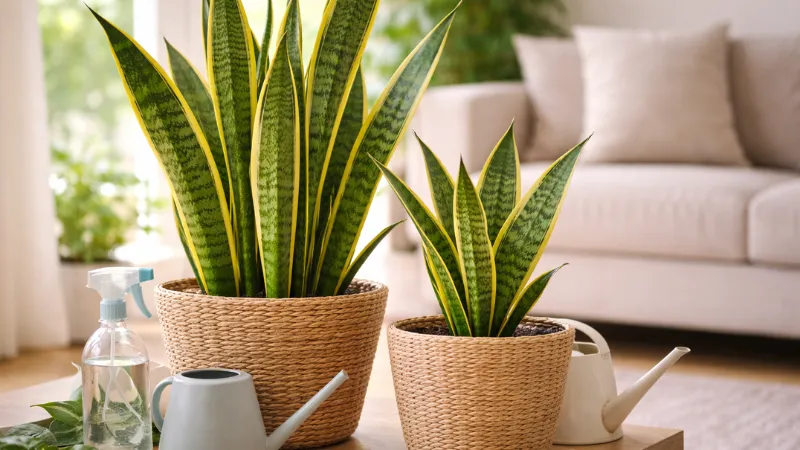
Snake plants are commonly grown indoor plants known for their tall, stiff leaves and ability to survive with little care. They are often chosen for homes because they tolerate low light and infrequent watering.
Despite being easy to care for, they contain natural plant compounds that cats cannot tolerate well.
Why Snake Plants Are Toxic to Cats
Snake plants contain substances called saponins. These compounds act as natural defenses for the plant but irritate a cat’s digestive system if chewed or swallowed.
Saponins are not systemic poisons. They do not spread through the bloodstream or damage organs. Instead, they mainly affect the mouth, stomach, and intestines.
This is why symptoms usually appear shortly after exposure.
What Happens If a Cat Chews or Eats a Snake Plant
Most cats become sick after chewing the leaves rather than just brushing past the plant.
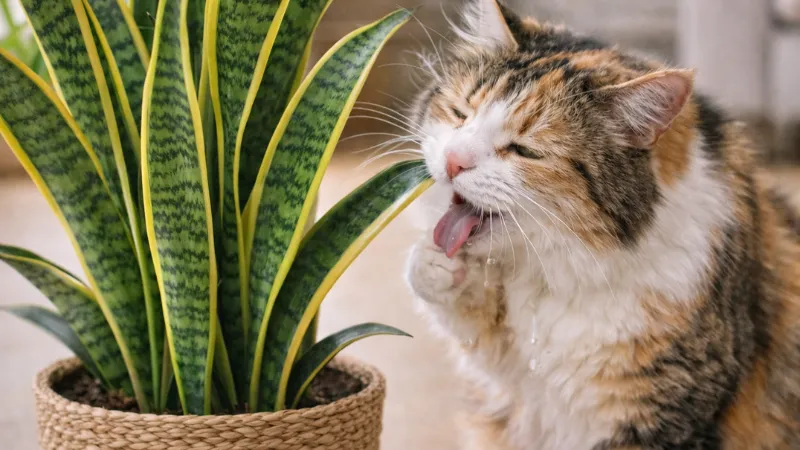
Common signs reported by veterinary sources include drooling, vomiting, mild diarrhea, and reduced appetite. Some cats may paw at their mouth or lick excessively due to irritation.
These reactions are unpleasant but usually not life threatening. Symptoms often resolve within a day once the plant material is removed and the stomach settles.
Kittens and cats that chew repeatedly may experience stronger reactions and should be monitored more closely.
Is It Dangerous If a Cat Only Touches or Smells a Snake Plant?
No. Simply touching or being near a snake plant does not cause poisoning.
Cats can walk past the plant, brush against the leaves, or be in the same room without harm. Toxicity occurs when the plant is chewed or swallowed.
This distinction is important and often misunderstood.
Are All Snake Plants Toxic or Only Certain Types?
All common snake plant varieties belong to the same plant family and contain similar compounds. This includes popular forms such as upright green varieties and golden edged snake plants.
There is no truly cat safe version of a snake plant.
Are Snake Plants Toxic to Dogs Too?
Yes. Dogs can also react to snake plants if they chew or eat the leaves.
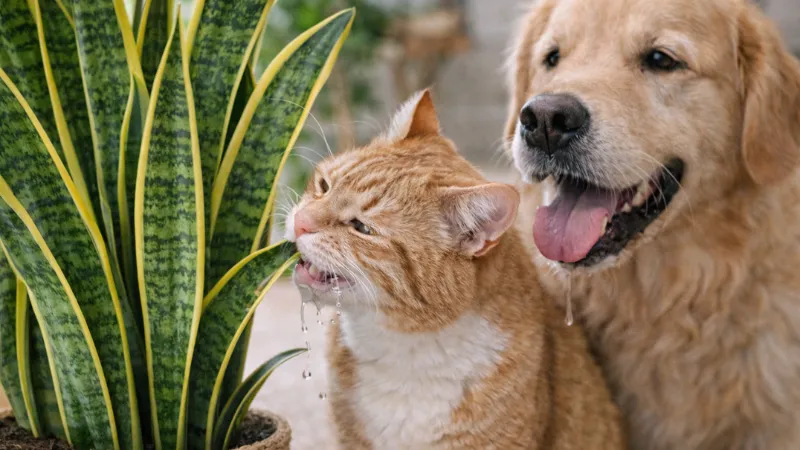
Dogs may show similar digestive symptoms and, in some cases, more pronounced vomiting due to differences in size and eating behavior.
If you have both cats and dogs, the plant poses a shared risk.
When Should You Contact a Vet
Most cases do not require emergency care, but you should contact a veterinarian if vomiting continues, your cat becomes lethargic, refuses food, or if a large amount of the plant was eaten.
If you are unsure how much was ingested, it is always safer to ask.
Why Cats Are Attracted to Snake Plants
Cats chew plants for many reasons. Curiosity, boredom, texture, and instinctive behavior all play a role.
Indoor cats often explore leaves because they move slightly and feel different from other objects. This is similar to why some cats investigate household items like cleaning residues or decorative plants, which we discussed in other home safety topics on this site.
How to Keep Cats Safe If You Own a Snake Plant
The safest option is removing the plant from areas your cat can access.
If removal is not possible, placing the plant in a room your cat does not enter or using secure shelving can reduce risk. Avoid relying on deterrent sprays alone, as these are not always effective.
If you are rethinking plant choices altogether, choosing cat friendly greenery is often the simplest solution.
Snake Plant Alternatives That Are Safer for Cats
Many cat owners choose to replace toxic plants with safer options. Non toxic houseplants allow you to enjoy greenery without constant worry.
If you are already reviewing plant safety, you may also want to look at how other common houseplants compare, such as our earlier guides on aloe vera and flowering plants like carnations, which raise similar questions for pet owners.
Final Thoughts From a Veterinary Safety Perspective
Snake plants are not deadly, but they are not safe for cats either.
Most cats recover quickly after mild exposure, but prevention is always better than dealing with vomiting and stress later. From a veterinary safety standpoint, avoiding known toxic plants is the best way to protect your cat’s health and comfort.
If your cat has access to plants, safety should always come before decoration.
Common Questions
Are snake plants poisonous to cats?
Yes. Veterinary sources confirm that snake plants are toxic to cats if chewed or eaten. They usually cause mild digestive irritation rather than severe poisoning.
What happens if a cat eats a snake plant?
Most cats develop drooling, vomiting, mild diarrhea, or mouth irritation after chewing a snake plant. Symptoms often appear within a few hours and usually resolve once the plant material is removed.
Can snake plants kill cats?
No. Snake plants are not considered deadly to cats. However, repeated chewing or larger ingestion can cause discomfort and may require veterinary advice.
Is it safe if my cat only smells or touches a snake plant?
Yes. Smelling or brushing against a snake plant does not cause poisoning. Toxicity occurs only when the plant is chewed or swallowed.
Are all snake plant varieties toxic to cats?
Yes. All common snake plant varieties contain similar compounds and should be considered unsafe for cats.
Are snake plants toxic to dogs as well?
Yes. Dogs can also experience digestive upset if they chew or eat snake plants. The risk applies to both cats and dogs.
Why do cats chew snake plants?
Cats may chew plants out of curiosity, boredom, texture preference, or instinct. Indoor cats are especially likely to explore houseplants.
Should I remove snake plants from my home if I have a cat?
From a veterinary safety perspective, removing snake plants or keeping them completely out of reach is the safest option to prevent exposure.
What should I do if my cat chews a snake plant?
Remove any plant material, monitor your cat for vomiting or discomfort, and contact a veterinarian if symptoms persist or worsen.
Are there safer houseplants for cats?
Yes. Many non toxic houseplants are safer alternatives for homes with cats and reduce the risk of plant related digestive issues.
Sources and Veterinary References
This article is based on veterinary reviewed sources including pet toxicology references, animal health publications, and plant toxicity guides used by veterinarians.