

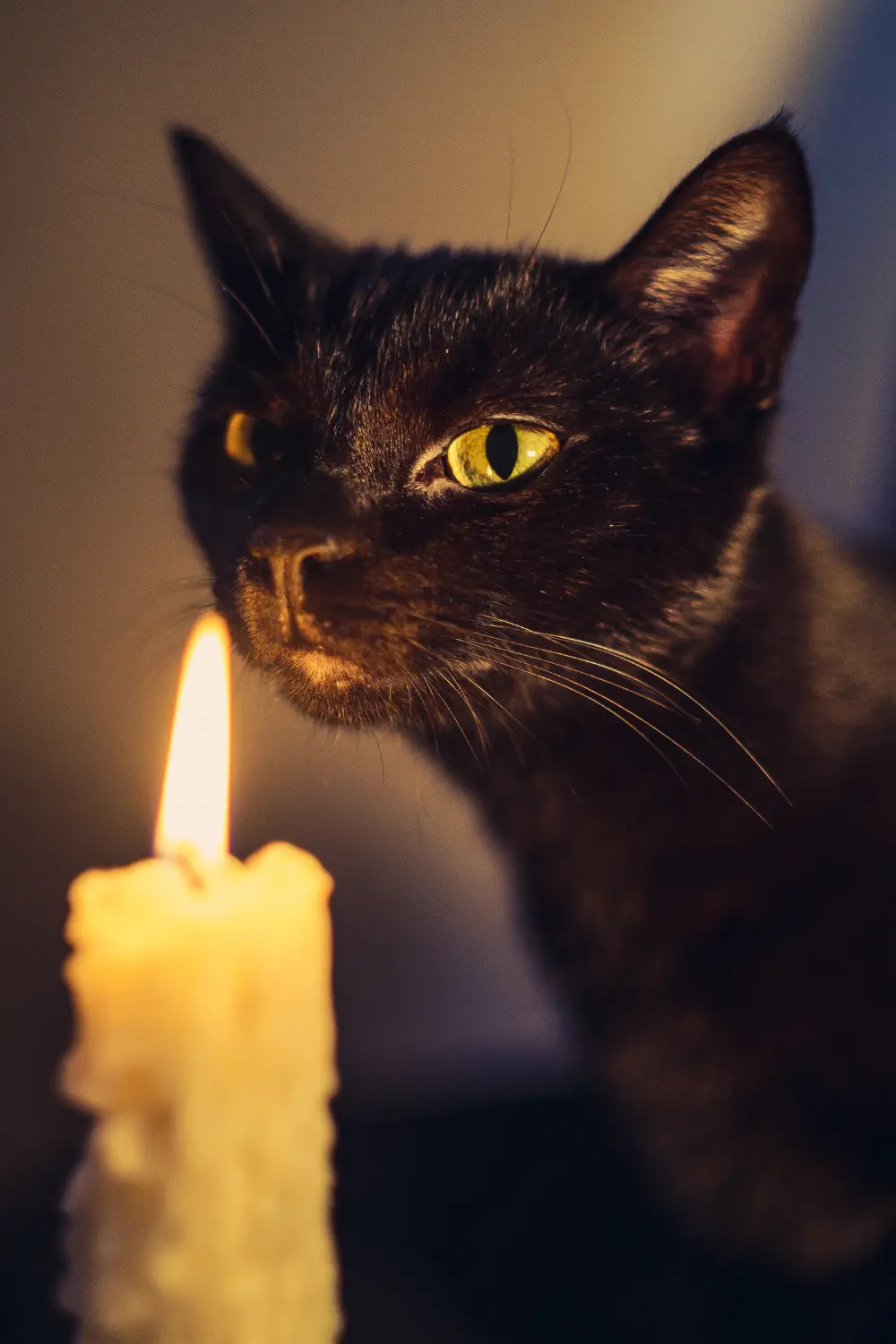
If you’re a cat owner who loves the warm glow and soothing scents of candles, you’ve probably wondered whether your cozy ritual might be putting your feline friend at risk. The short answer? Some candles can be dangerous for cats, but with the right knowledge and precautions, you can create a safe environment for both your candle collection and your beloved pet.
This comprehensive guide explores everything you need to know about cats and candles, from toxic ingredients to safer alternatives, so you can make informed decisions about creating a cat-friendly home.
The Quick Answer: Can Cats and Candles Coexist Safely?
Yes, but with important caveats. Not all candles are created equal when it comes to feline safety. While certain candles pose serious health risks to cats, others can be used safely with proper precautions.
Key concerns include toxic fumes from paraffin wax candles, essential oils that are poisonous to cats, physical fire hazards from curious paws, respiratory irritation (especially for cats with asthma), and ingestion risks when cats groom themselves during normal grooming.
The good news? By understanding which candle types to avoid and following smart safety practices, you can enjoy your candles without compromising your cat’s health.
Why Some Candles Are Bad for Cats
Paraffin Wax: The Hidden Toxic Threat
Most conventional candles are made from paraffin wax, a petroleum by-product that can release harmful substances when burned. According to the U.S. Environmental Protection Agency, burning paraffin candles releases volatile organic compounds (VOCs) and other toxins into your home’s air.
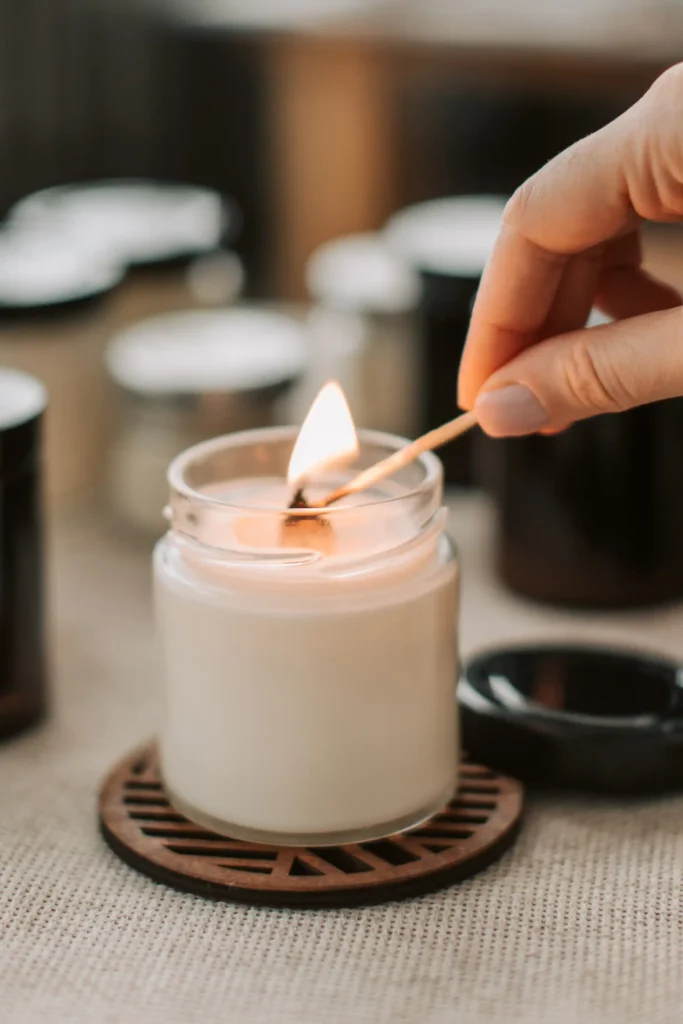
When paraffin candles burn, they can emit harmful substances including acrolein, formaldehyde, acetaldehyde, and carcinogenic soot particles.
These substances pose health risks to humans, but they’re particularly concerning for cats. Because cats are smaller and spend most of their time close to the ground where heavier particles settle, they’re exposed to higher concentrations of these pollutants.
Essential Oils and Feline Liver Function: A Dangerous Combination
Here’s what makes essential oils especially problematic for cats, unlike humans and dogs, cats lack specific liver enzymes (glucuronyl transferase) needed to metabolize certain compounds found in essential oils. This means even small amounts of exposure can lead to toxic buildup in their system.
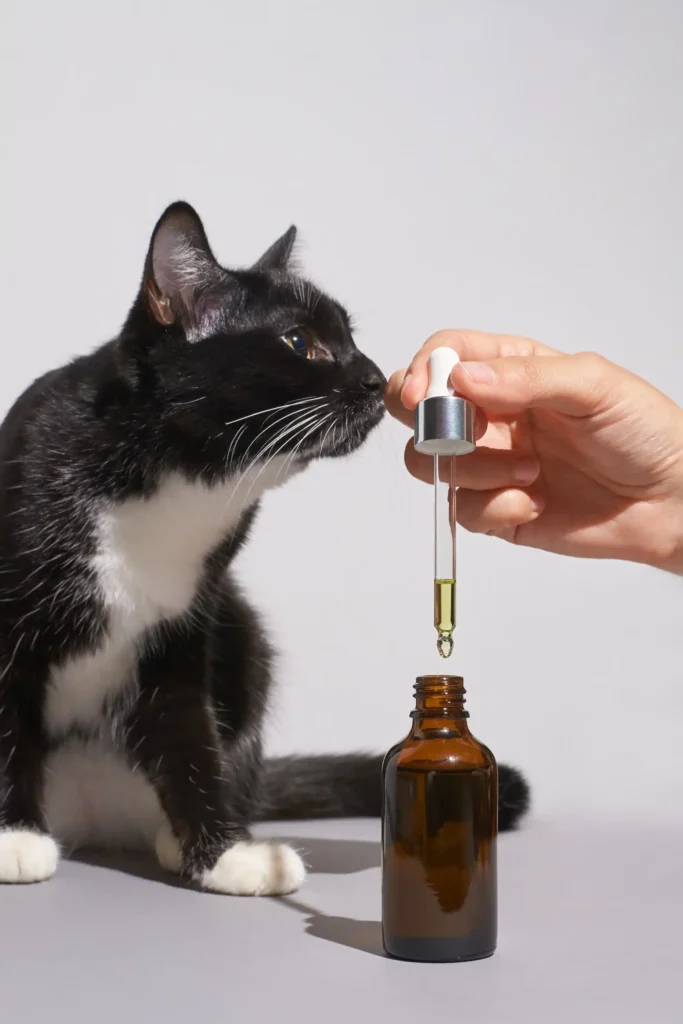
Cats can be exposed to essential oils through three pathways: inhalation (breathing in fragrance particles as the candle burns), skin absorption (when oils settle on surfaces and transfer to their fur), and ingestion (when cats groom themselves and lick oils from their coat).
The Fire Hazard Factor
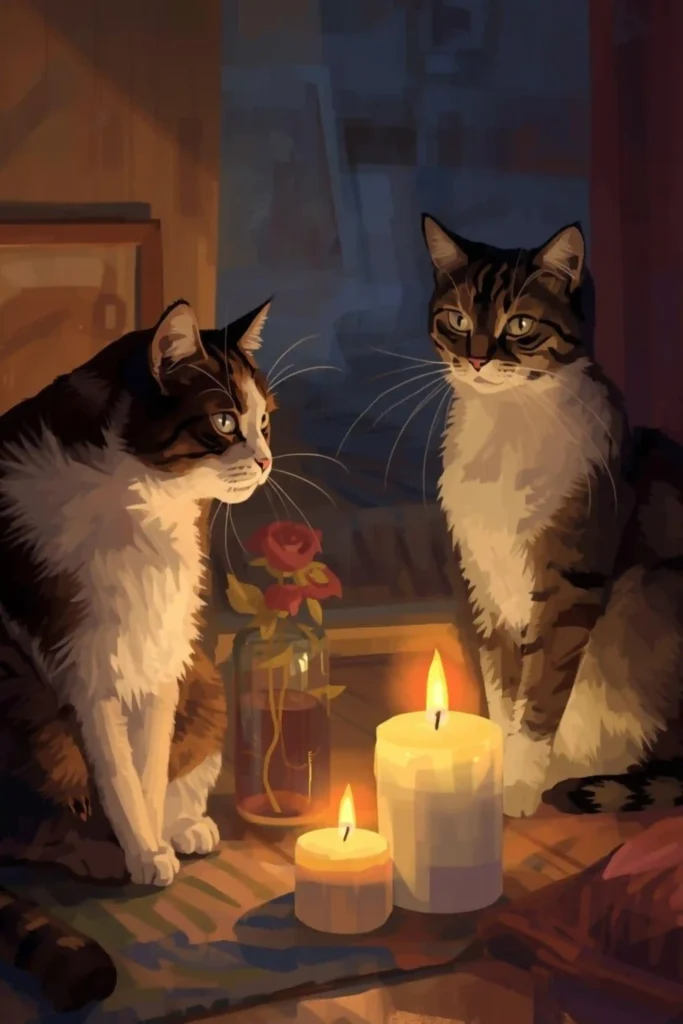
Beyond chemical concerns, lit candles present obvious physical dangers. Cats are naturally curious, athletic creatures who can easily knock over candles while investigating or jumping. A single swipe of a tail or playful paw can result in burns to your cat’s skin, paws, or whiskers, house fires endangering everyone in the household, or melted wax causing skin irritation or ingestion issues.
Essential Oils Toxic to Cats: What to Avoid
According to VCA Animal Hospitals and the ASPCA, the most harmful essential oils for cats include eucalyptus, tea tree oil (melaleuca), peppermint, citrus oils (d-limonene, lemon, orange, grapefruit), cinnamon, wintergreen, sweet birch, pine oils, ylang ylang, pennyroyal, pine sol cleaners, clove, and lavender in concentrated forms. Even candles claiming to contain “natural” or “therapeutic grade” essential oils can be harmful if they include these ingredients. Always check candle labels carefully before purchasing.
Signs of Essential Oil Toxicity in Cats
Watch for these symptoms if you suspect your cat has been exposed to toxic essential oils. Respiratory symptoms include wheezing or difficulty breathing, coughing or sneezing, and rapid breathing. Gastrointestinal symptoms may manifest as drooling, vomiting, diarrhea, or loss of appetite. Neurological symptoms can include tremors or muscle weakness, wobbliness or loss of coordination, and seizures in severe cases. Other warning signs include lethargy or depression, pawing at the mouth or face, red or watery eyes, and low body temperature.
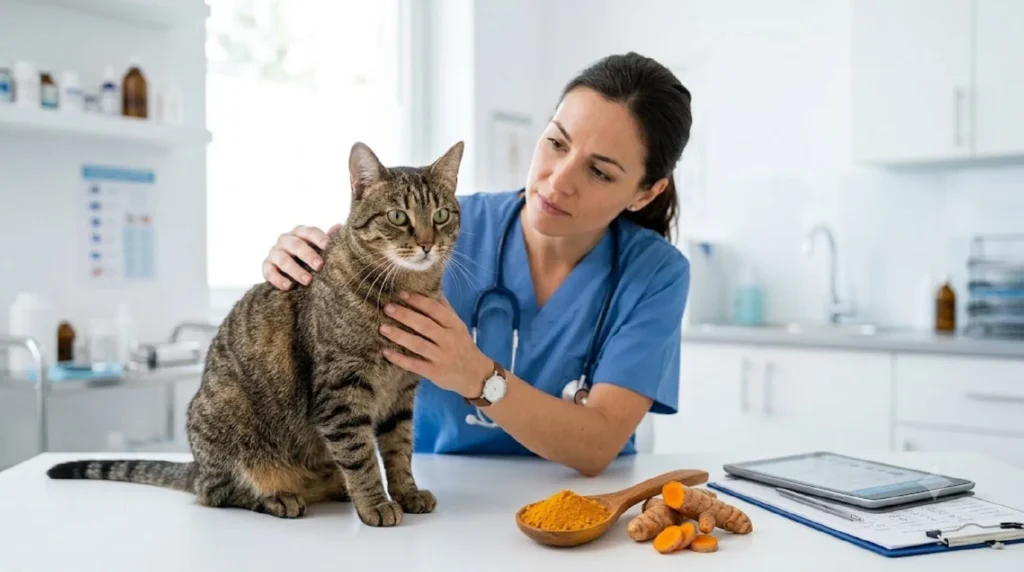
If you notice any of these signs after burning candles, contact your veterinarian immediately.
Special Concern: Cats with Asthma and Respiratory Conditions
Feline asthma affects approximately 1-5% of cats, according to Cornell University College of Veterinary Medicine. If your cat has been diagnosed with asthma, chronic bronchitis, or any other respiratory condition, burning scented candles is particularly risky.
Candle smoke and fragrances can trigger asthma attacks by irritating sensitive airways, causing bronchial spasms, increasing mucus production, and damaging the tiny air sacs (alveoli) in the lungs. Common asthma triggers in candles include smoke and particulate matter, strong fragrances (even “natural” ones), chemical VOCs from paraffin wax, and any essential oil content.
Even if your cat hasn’t been formally diagnosed with asthma, pay attention to respiratory changes. Symptoms like occasional coughing, wheezing, or rapid breathing after you burn candles may indicate developing sensitivity.
Safer Candle Alternatives for Cat Owners
The good news is you don’t have to give up on creating a cozy atmosphere. Several safer alternatives exist for cat-loving candle enthusiasts.
Best Wax Types for Homes with Cats
- Beeswax Candles (Unscented)
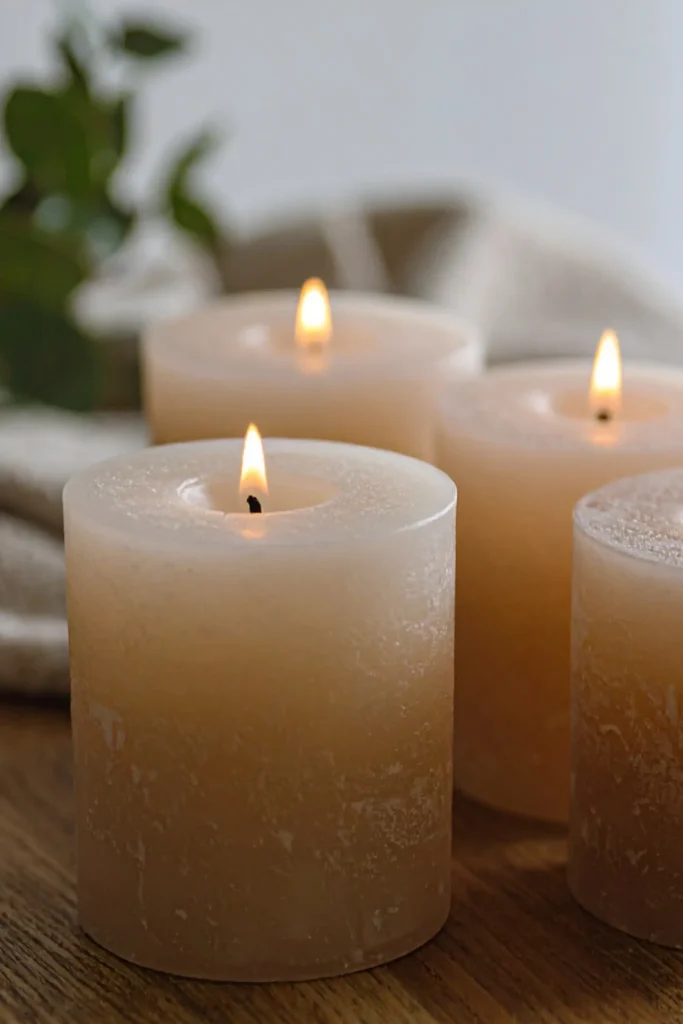
Natural beeswax candles are generally the safest option for cat households. They burn cleaner than paraffin with minimal soot, don’t release toxic chemicals, are made from natural renewable sources, and often burn longer than conventional candles. Choose unscented beeswax candles, as even natural candles can be scented with problematic essential oils.
- Soy Wax Candles (Unscented)

Pure soy wax candles offer another cat-friendly alternative. Made from natural soybeans, they produce less soot than paraffin, burn at a lower temperature (reducing burn risk), and are biodegradable and renewable. Again, ensure you’re selecting unscented versions or those scented with cat-safe fragrance oils.
- Coconut Wax and Vegetable-Based Candles

These natural wax alternatives share similar benefits to beeswax and soy. They burn cleanly with minimal emissions, contain no petroleum-derived ingredients, and carry a lower risk of respiratory irritation.
The Flameless Solution: LED and Battery-Operated Candles
If you want to eliminate all risks, flameless candles offer the perfect compromise. They provide zero fire hazard, no toxic fumes or VOCs, no essential oil concerns, and the same ambient lighting effect. Many feature realistic flickering flames and are long-lasting and cost-effective. Modern LED candles have become remarkably realistic, with some even featuring timers, remote controls, and varying brightness settings.
Safety Guidelines: How to Burn Candles Safely Around Cats
If you decide to use real candles in your cat-friendly home, follow these essential safety practices:
- Choose Safe Locations
Place candles on stable, heavy surfaces cats can’t easily access. Use enclosed lanterns or hurricane lamps for protection, and burn candles in rooms with doors you can close. Position candles away from curtains, papers, and other flammables. Never leave candles on coffee tables, counters, or low shelves, and avoid burning them near cat trees, scratching posts, or favorite perches. Keep candles away from your cat’s food, water, or litter box area.
- Never Leave Candles Unattended
This rule applies to all households, but it’s especially critical with cats. Even the most well-behaved cat can have an unexpected zoomie moment or become curious about that flickering flame. Always extinguish candles when leaving the room for more than a minute, going to bed, leaving your home, or anytime you can’t actively supervise the space.
- Ensure Proper Ventilation
Good air circulation helps minimize your cat’s exposure to any fumes. Open windows when burning candles, use fans to improve air flow, don’t burn candles for extended periods (limit to 2-3 hours), and allow fresh air to circulate after extinguishing candles.
- Use Quality Candles with Cotton Wicks
Check that your candles have 100% cotton or paper wicks (never lead-core wicks), natural wax composition clearly labeled, no added essential oils or only cat-safe fragrances, and good manufacturing practices from established brands.
- Keep Emergency Supplies Handy
Prepare for potential accidents by keeping a fire extinguisher accessible, having your veterinarian’s number programmed in your phone, knowing the location of your nearest 24-hour emergency vet, and keeping Pet Poison Helpline number saved: (855) 764-7661.
What Veterinarians Say About Cats and Candles
Dr. Kara, a veterinarian with over 20 years of experience, explains that while technically certain candles can be used around cats, the risks often outweigh the benefits, especially for cats with respiratory sensitivities.
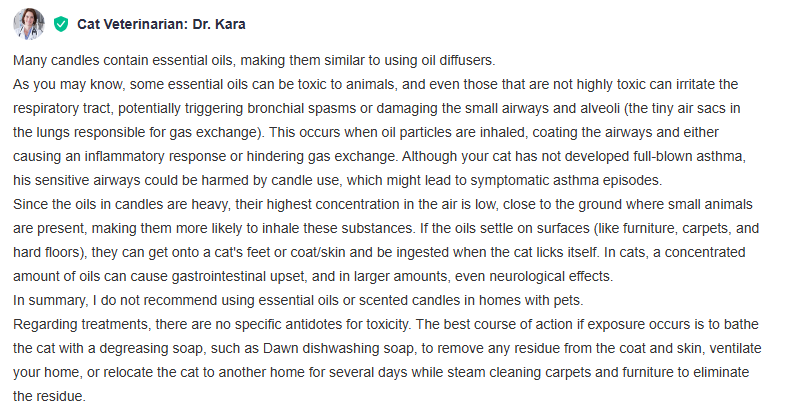
“Many candles contain essential oils, making them similar to using oil diffusers. Even oils that aren’t highly toxic can irritate the respiratory tract, potentially triggering bronchial spasms or damaging the small airways. Since the oils in candles are heavy, their highest concentration in the air is low, close to the ground where small animals are present.”
Another veterinary perspective comes from Dr. Keto, who states clearly: “Since you have an asthmatic cat, it is not safe to burn scented candles around cats. Scented oils, diffusers, and candles are all irritating to the feline respiratory tract. I recommend not using any scented products around all cats; not just asthmatic ones.”
These professional opinions underscore an important point: while occasional, well-ventilated use of natural, unscented candles may be acceptable for some cat households, the safest approach is to avoid scented candles entirely or opt for flameless alternatives.
Real Cat Owner Experiences
Cat owners on forums like Reddit’s r/bathandbodyworks have shared mixed experiences with candles and cats. Many report success by using candles only in closed rooms away from cats, choosing unscented or lightly scented options, ensuring good ventilation, and keeping cats on different floors while candles burn.
However, cautionary tales include one cat developing severe vomiting after exposure to peppermint candles, another requiring emergency vet care after eucalyptus body care product exposure, and multiple reports of cats with respiratory distress after prolonged candle use. The consensus? Individual cats have different sensitivities, but the general advice leans toward caution, especially with strongly scented products.
Common Questions About Specific Candle Brands
Are Bath & Body Works Candles Safe for Cats?
Bath & Body Works candles are typically paraffin-based and heavily scented, often containing essential oils or synthetic fragrances. While the company claims their products meet safety standards, these candles are not specifically formulated with cat safety in mind. The strong scents and paraffin composition make them riskier choices for cat households.
Are Yankee Candles Safe for Cats?
Like Bath & Body Works, most Yankee Candles use paraffin wax and contain strong fragrances. While some cat owners report using them without obvious issues, they’re not the safest option. If you love Yankee Candles, consider their unscented options or switch to safer alternatives.
What About “Pet-Safe” Candles?
Some brands market candles as “pet-safe,” but this claim requires scrutiny. The International Fragrance Association (IFRA) is a self-regulatory body that sets fragrance safety standards, but their guidelines focus primarily on human exposure. Look for candles made from natural wax (beeswax, soy, coconut), that are completely unscented or use only cat-safe ingredients, are free from essential oils, and made by companies with transparent ingredient lists.
Are Wax Melts Safer Than Candles?
Wax melts eliminate the fire hazard, but they don’t solve the essential oil and fragrance problems. If the wax melt contains toxic essential oils or is made from paraffin, it still releases those substances into your home’s air when heated. The same precautions apply to wax warmers as to candles.
Creating a Cat-Friendly Fragrant Home
If you want your home to smell wonderful without risking your cat’s health, try these alternatives. Natural air purifiers include indoor plants (ensure they’re non-toxic to cats), activated charcoal, and baking soda for odor absorption. Safe cleaning products like white vinegar solutions, baking soda paste, and pet-safe enzymatic cleaners work well. Fresh air from regularly opened windows, fans for circulation, and HEPA air filters help maintain a pleasant environment.
Cat-safe scent options include fresh herbs like rosemary placed out of reach, citrus peels in sealed containers, and fresh flowers (check toxicity first).
Emergency Response: If Your Cat Is Exposed
If you believe your cat has been exposed to toxic candle ingredients, take immediate action. Remove your cat from the area, turn off any burning candles, ventilate the space completely, and don’t induce vomiting unless instructed by a vet.
For skin contact with wax or oils, gently wipe away excess with a dry cloth, bathe your cat with mild dish soap like Dawn if needed, and prevent them from grooming the affected area.
Call your veterinarian immediately if you notice any respiratory distress such as wheezing or difficulty breathing, visible burns, vomiting or diarrhea, neurological symptoms like tremors or wobbliness, behavioral changes, or if you have any uncertainty about the situation.
Emergency resources include your regular veterinarian, Pet Poison Helpline at (855) 764-7661 (fee may apply), and ASPCA Animal Poison Control at (888) 426-4435 (fee may apply).
The Bottom Line: Weighing Candles Against Cat Safety
After reviewing veterinary advice, research on toxic substances, and real-world experiences, here’s the balanced conclusion:
If you have a cat with asthma or respiratory issues: Avoid burning any candles or using wax melts. The risks are simply too high, and flameless alternatives provide the same ambiance without the danger.
If you have a healthy cat: You can occasionally use natural, unscented candles (beeswax or soy) with proper precautions, but flameless options remain the safest choice.
Best overall approach: Consider switching to LED candles for regular use, reserving natural candles for special occasions when you can ensure your cat is in a different, well-ventilated area.
Remember, your cat depends on you to make safe choices for their environment. While you might miss your favorite scented candles, your feline friend’s health and safety are worth any sacrifice. There are plenty of ways to create a warm, inviting atmosphere without putting your cat at risk.
Final Safety Checklist
Before burning any candle in a cat household:
- Verified wax type is natural (beeswax, soy, or vegetable-based)
- Confirmed candle is unscented or contains no essential oils
- Checked for 100% cotton or paper wick (no lead)
- Selected a safe, stable location out of cat’s reach
- Prepared to supervise entire burning session
- Opened windows for ventilation
- Limited burning time to 2-3 hours maximum
- Have emergency vet numbers readily available
- Considered whether a flameless alternative would work instead
Your cat’s safety should always come first. When in doubt, skip the candle or choose a flameless alternative. Your curious, playful companion will thank you for it even if they can’t tell you in words.
Medical Disclaimer: This article is for informational purposes only and is not a substitute for professional veterinary advice. Always consult with your veterinarian about your specific cat’s health needs and sensitivities.
Content Sources: ASPCA Animal Poison Control | Reddit’s r/bathandbodyworks | Pet Poison | JustAnswer | Amazon | VCA Animal Hospitals and the ASPCA | U.S. Environmental Protection Agency | and my own research and experience.


3 Responses