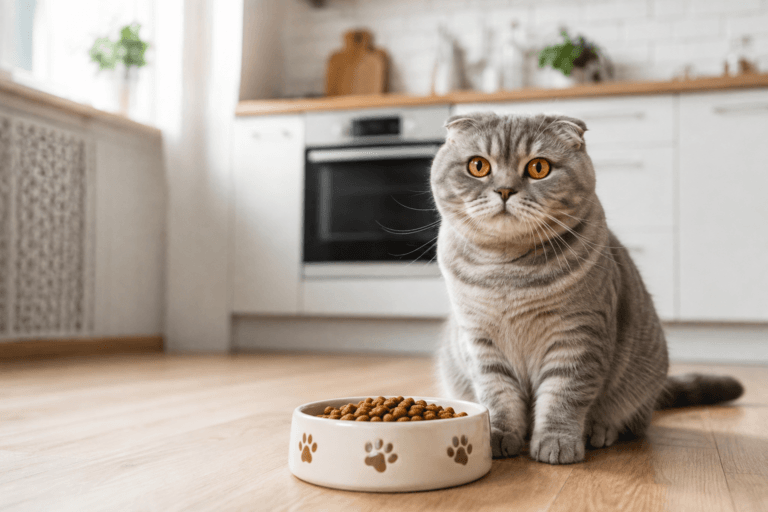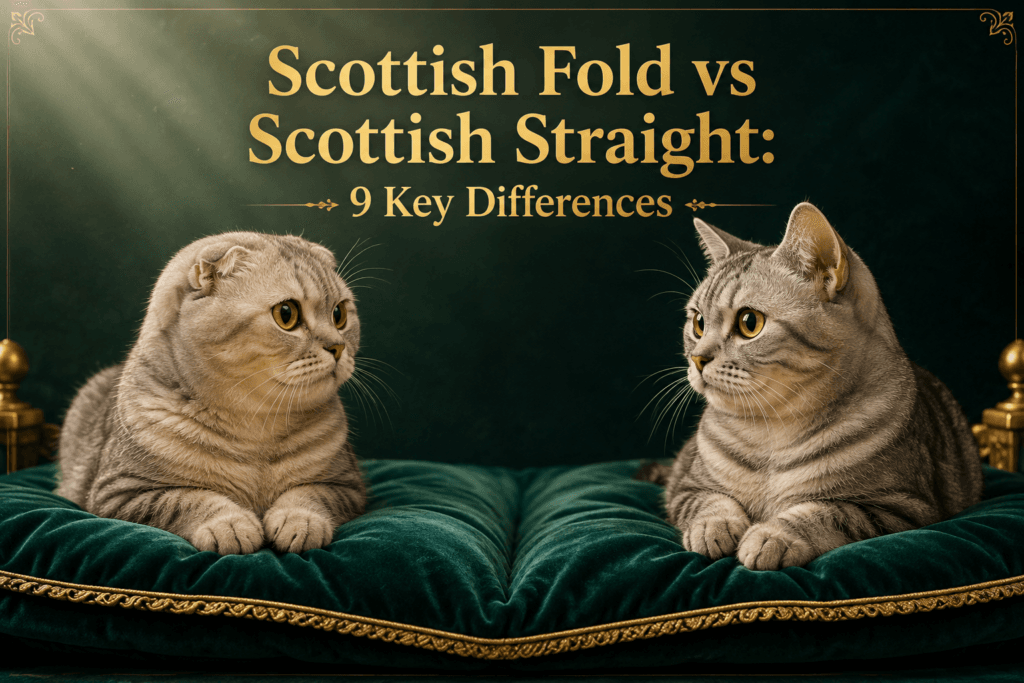


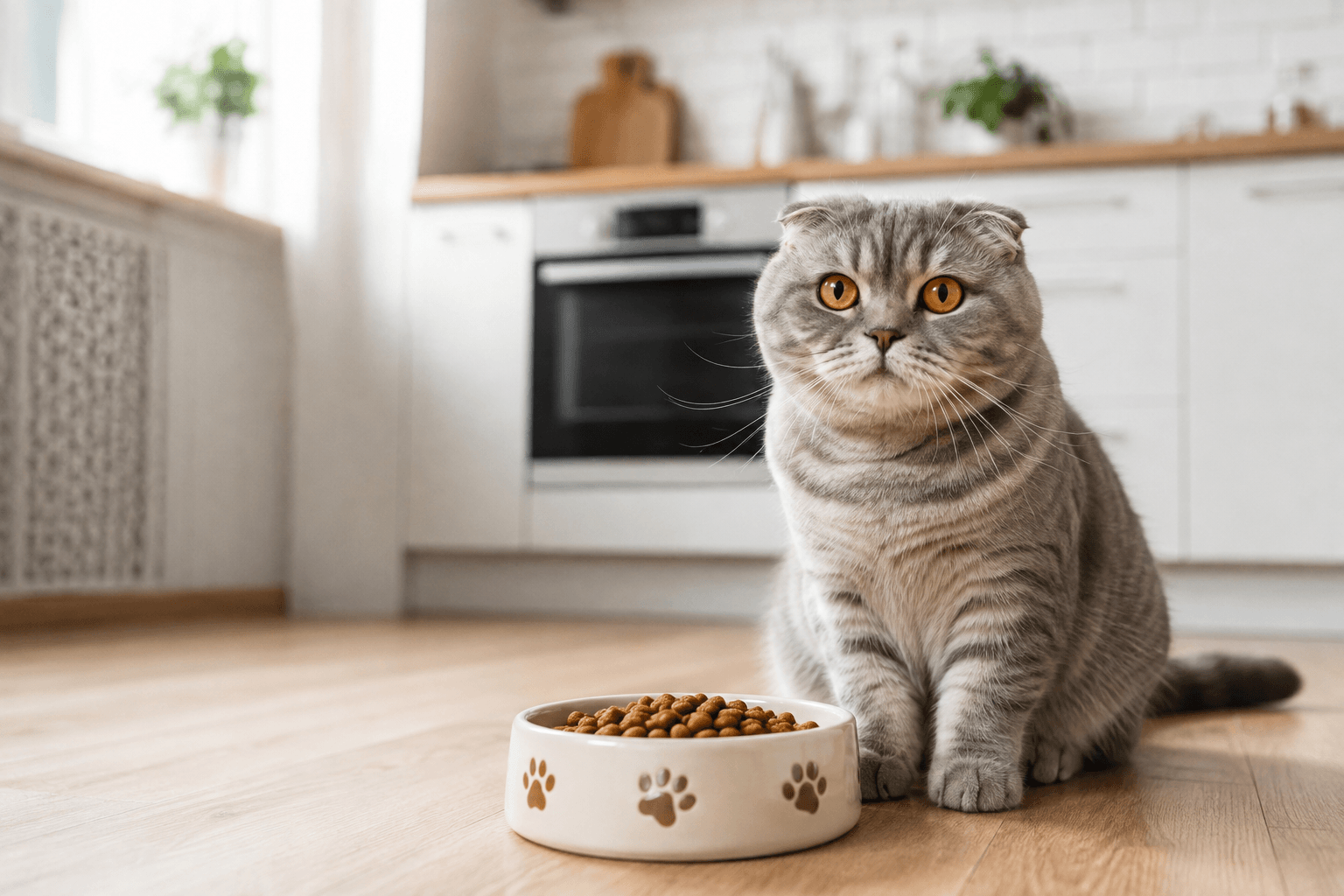
The best Scottish Fold joint support food is one built around real, measurable amounts of glucosamine, chondroitin, and omega-3 fatty acids, not just a “joint health” label on the front of the bag. Scottish Folds carry a genetic cartilage mutation called osteochondrodysplasia, the same one responsible for their folded ears, which can also affect cartilage in their tail, ankles, and knees. Diet can’t cure this condition, but the right nutrition, correct portion sizes, and the right supplements can meaningfully ease discomfort and support mobility for years. Here’s exactly what to look for, and what to avoid.
Why Scottish Folds Need Joint Support in Their Diet
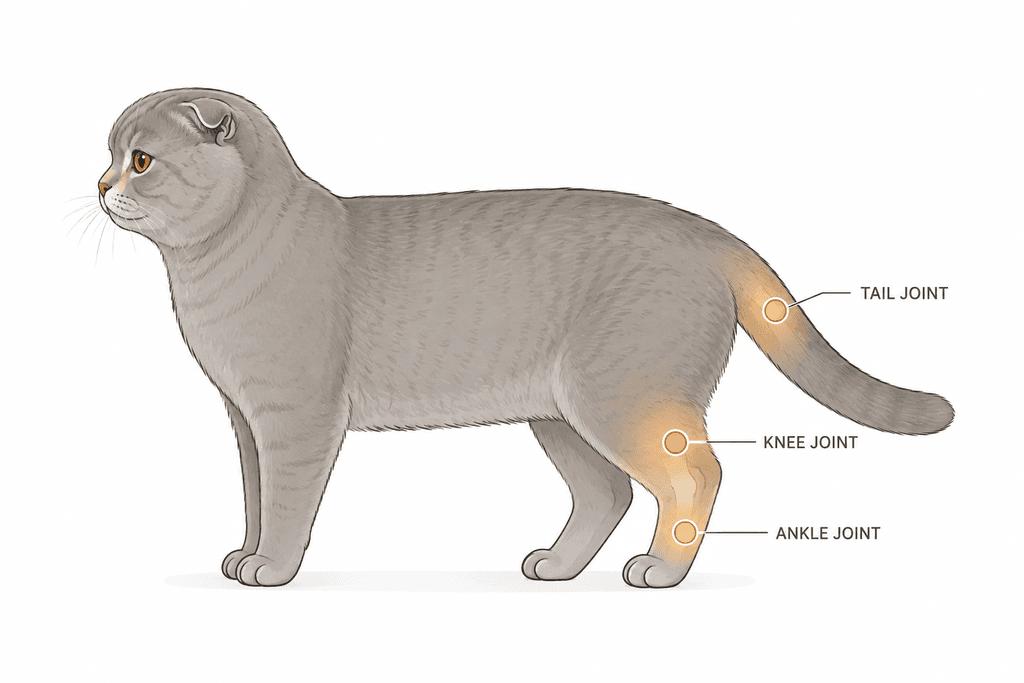
Scottish Folds aren’t just prone to joint issues because of size or age like most cats, it’s baked into their genetics. The same gene that folds their ears also affects how cartilage forms throughout the body.
The Genetic Cartilage Link
Every Scottish Fold with folded ears carries at least one copy of the folding gene, and that same gene affects cartilage development elsewhere in the body, most commonly the tail, ankles, and knee joints. Cats with two copies of the gene (from two Fold parents) tend to show more severe symptoms, sometimes noticeable within the first few months of life.
Tail Stiffness Is an Early Warning Sign
A short, thick, less flexible tail is common in the breed, and many owners notice their Fold’s tail becomes stiff or sensitive to touch before any other joint symptom appears. Handling the tail gently and watching for discomfort is one of the simplest ways to catch problems early.
They’re Prone to Weight Gain Too
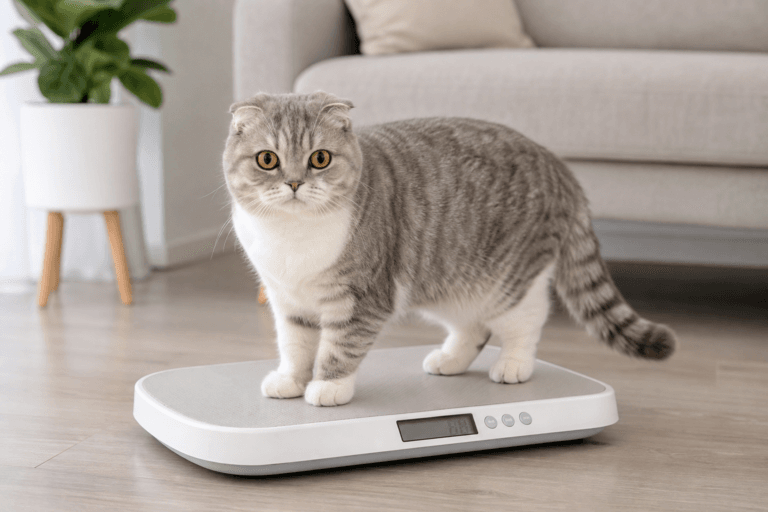
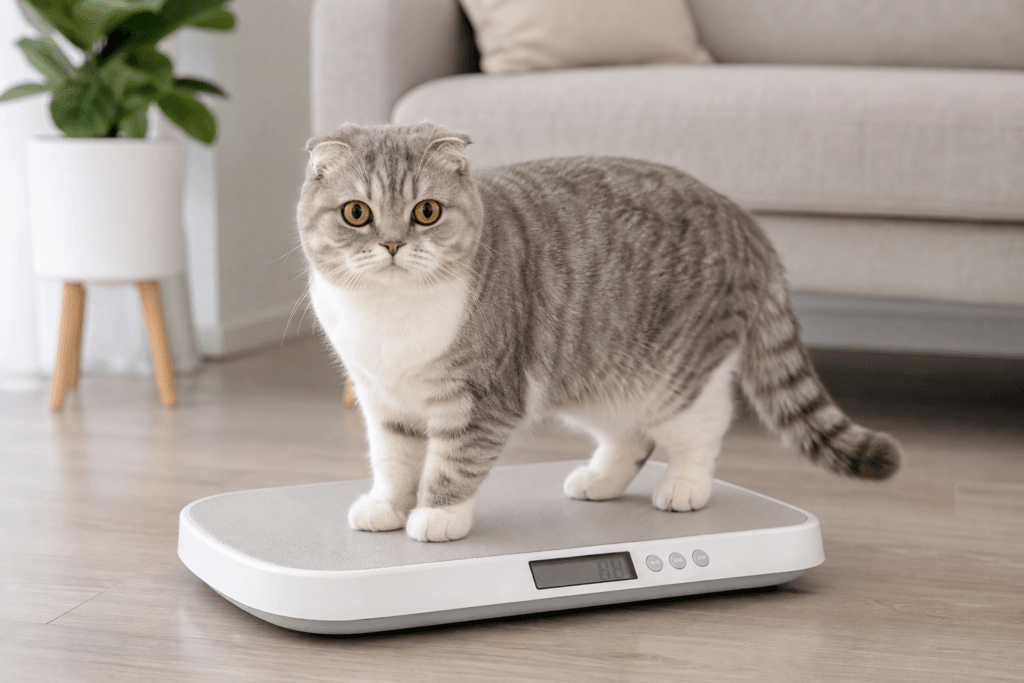
Scottish Folds enjoy eating and aren’t the most naturally active breed, which means extra weight can build up quietly and put more pressure on already-vulnerable joints. Portion control isn’t optional for this breed the way it might be for a leaner, more active cat.
Key Nutrients That Actually Support Scottish Fold Joints
Not every product marketed for “joint health” contains meaningful amounts of active ingredients. These are the ones backed by real evidence.
Glucosamine for Scottish Fold Cats
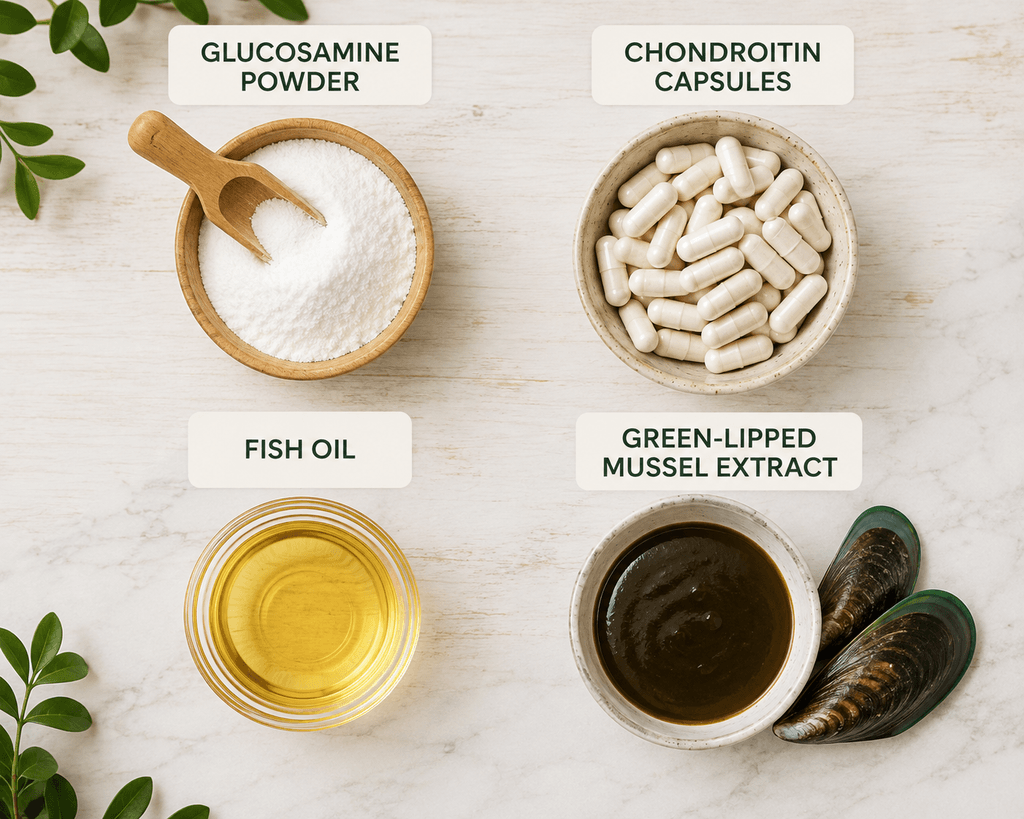
Glucosamine is the most studied joint-support compound in pet nutrition. It’s a natural building block of cartilage, and supplementing it may help slow further wear, particularly when combined with chondroitin. Look for the actual milligram amount listed in the guaranteed analysis, not just the word “glucosamine” in the description.
Chondroitin
Chondroitin works alongside glucosamine to help cartilage retain water and stay cushioned. The two are almost always paired together in quality joint formulas because research suggests they’re more effective in combination.
Omega-3 Fatty Acids (EPA & DHA)
Fish-oil-derived omega-3s have anti-inflammatory effects that can ease joint discomfort over time. On an ingredient label, fish oil or fish meal should appear reasonably high on the list, not buried near the end.
Green-Lipped Mussel Extract
This New Zealand-sourced ingredient naturally contains glucosamine, chondroitin, and omega-3s together, and is increasingly used in premium joint formulas for both cats and dogs.
Best Scottish Fold Joint Support Food Brands and Options
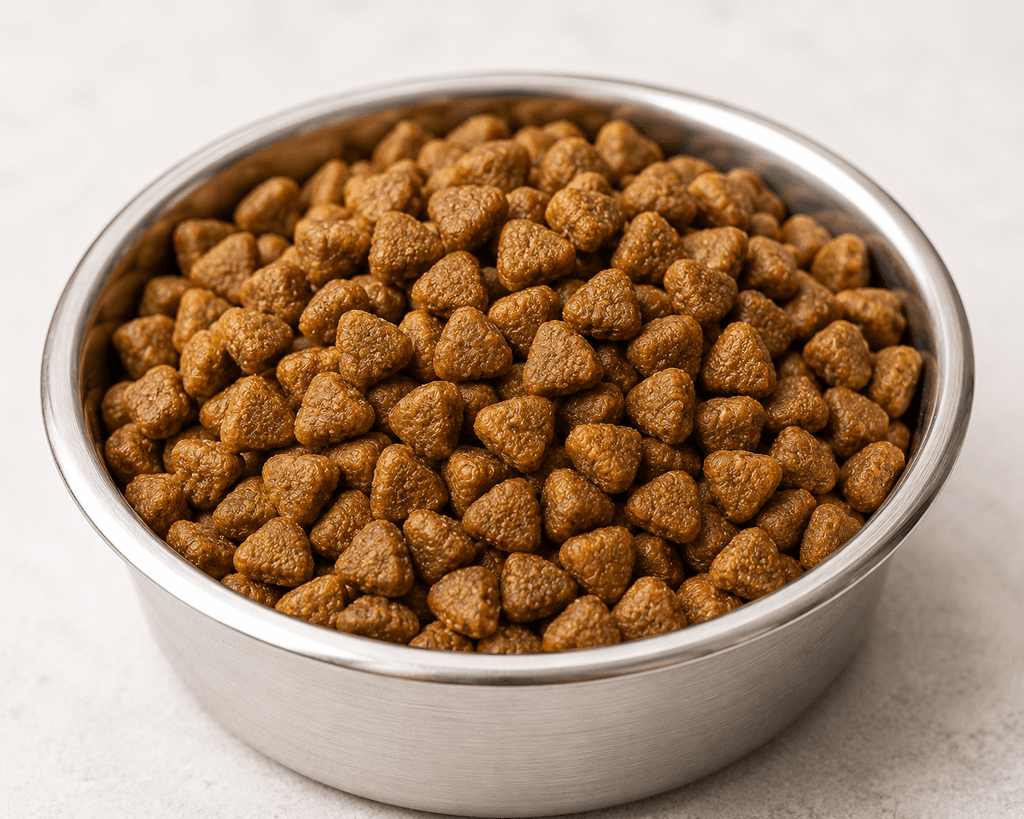
Dry food remains the most convenient staple for many owners, and several mainstream and specialty brands now formulate specifically with joint-support nutrients.
What to Check Before Buying
- Named animal protein (chicken, salmon, turkey) as the first ingredient
- Specific glucosamine and chondroitin amounts listed, not just “joint support” marketing text
- Reasonable fat and calorie content, since Scottish Folds are prone to weight gain
- Life-stage appropriate formulation (kitten, adult, or senior)
Royal Canin Scottish Fold Food
Royal Canin makes a breed-specific formula designed with the Scottish Fold’s rounded jaw shape and moderate energy needs in mind. While it isn’t marketed purely as a joint formula, its balanced fat content supports healthy weight, which indirectly protects joints from added stress. Owners looking for dedicated joint support often pair it with a separate glucosamine supplement.
Best Food for a Scottish Fold Kitten
Joint support isn’t only a senior-cat concern for this breed. Since cartilage issues can begin developing early, kitten nutrition matters more for Scottish Folds than most other breeds.
What Kitten Food Should Provide
A properly balanced kitten formula with correct calcium-to-phosphorus ratios supports healthy bone and cartilage development from the start. Avoid adult-formulated joint supplements at this stage unless specifically directed by a vet, since kittens have different nutritional requirements than adult cats.
Wet Food vs Dry Food for Joint Health
| Factor | Wet Food | Dry Food |
|---|---|---|
| Hydration support | Higher, aids overall health | Lower, needs added water intake |
| Weight/calorie control | Easier to portion precisely | Easier to overfeed |
| Joint nutrient absorption | Comparable | Comparable |
| Convenience & shelf life | Shorter once opened | Long shelf life |
| Best for | Cats needing weight management | Everyday convenience feeding |
Neither format is inherently superior for joint health. What matters most is the nutrient profile and portion control, and many owners combine both formats for balance.
Best Scottish Fold Supplements for Joint Support
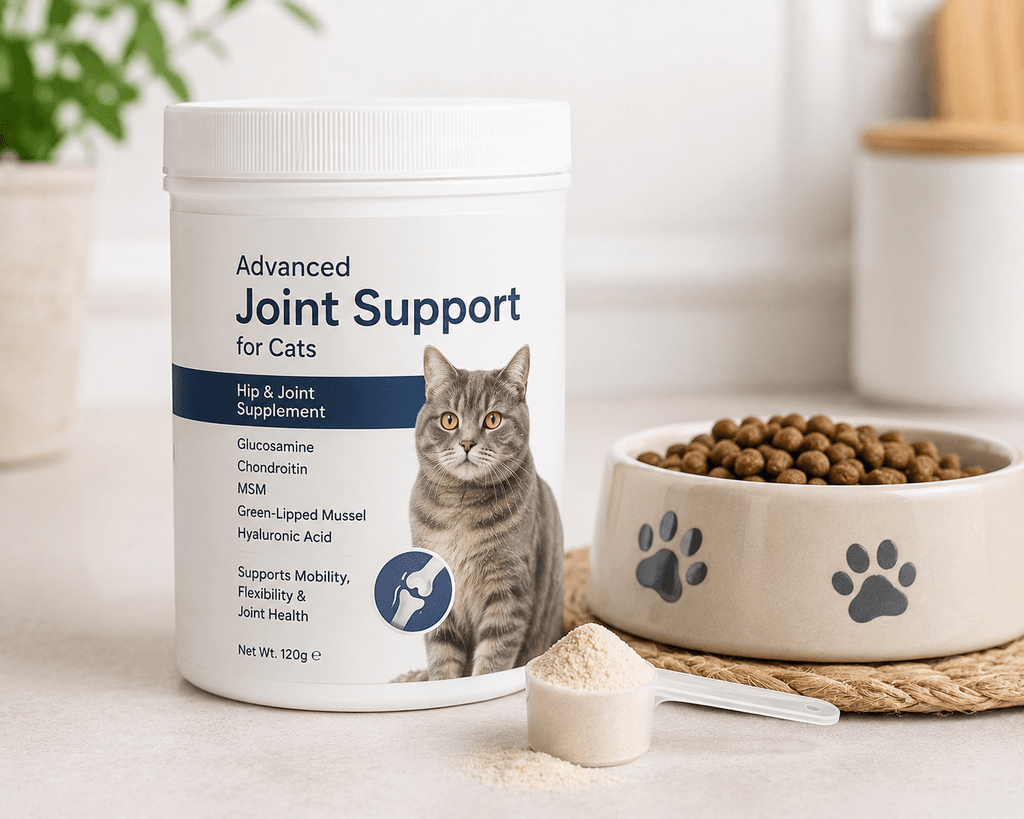
Even with a joint-support diet, some owners add a standalone supplement, particularly for cats already showing signs of stiffness.
Standalone Glucosamine-Chondroitin Supplements
These come in powder, chew, or liquid form and can be added to food. They’re especially useful for cats not currently eating a dedicated joint formula.
Omega-3 / Fish Oil Supplements
A separate fish oil supplement can top up omega-3 intake, particularly for cats on a diet that doesn’t already include a strong fish oil component.
Vet-Formulated Joint Products
Some brands offer complete joint-support supplement lines specifically for breeds prone to cartilage issues. These typically combine glucosamine, chondroitin, and omega-3s in a single, correctly dosed product. Always check total dosing with a vet before combining multiple supplements, since some fat-soluble nutrients can build up if overused.
Signs Your Scottish Fold May Need Joint Support
- Reluctance to jump onto furniture they used to reach easily
- A stiff, low-carried, or less flexible tail
- Limping or favoring one leg, especially after rest
- Reduced grooming, particularly of the lower back and hindquarters
- General drop in playfulness or activity level
If several of these appear together, it’s time for a vet visit and a look at your cat’s current diet, rather than waiting for symptoms to worsen. Scottish Fold joint support food.
FAQs
Do all Scottish Fold cats need joint-support food?
Not necessarily. Cats with only one copy of the fold gene often show milder or no joint symptoms, while cats with two copies are typically affected more noticeably. A vet can help assess individual risk.
At what age should I start joint-support food for a Scottish Fold?
Many vets recommend introducing joint-supportive nutrition by adulthood, even before symptoms appear, since early support may help slow progression rather than only manage existing discomfort.
Can diet alone fix a Scottish Fold’s joint problems?
No. Diet supports joint health and can ease discomfort, but it can’t reverse the underlying cartilage condition. Weight management and veterinary guidance matter just as much as nutrition.
Is grain-free food better for joint health?
Not specifically. What matters is the presence of glucosamine, chondroitin, and omega-3s, regardless of whether a formula includes grains.
How do I know if a joint-support cat food actually has enough of the right ingredients?
Check that glucosamine and chondroitin appear with specific milligram amounts in the guaranteed analysis panel, not just as marketing text on the front of the packaging.
Conclusion
Scottish Fold joint support food isn’t about chasing a single miracle brand, it’s about consistently choosing formulas with real glucosamine, chondroitin, and omega-3 content, keeping portions in check, and adjusting supplements as your cat moves through different life stages. Whether you feed Royal Canin’s breed-specific formula, another quality dry food, or add standalone supplements, pairing the right diet with regular vet check-ins gives your Scottish Fold the best chance at staying mobile and comfortable for life. visit our website https://catsmastery.com/ for Scottish Fold joint support food.