
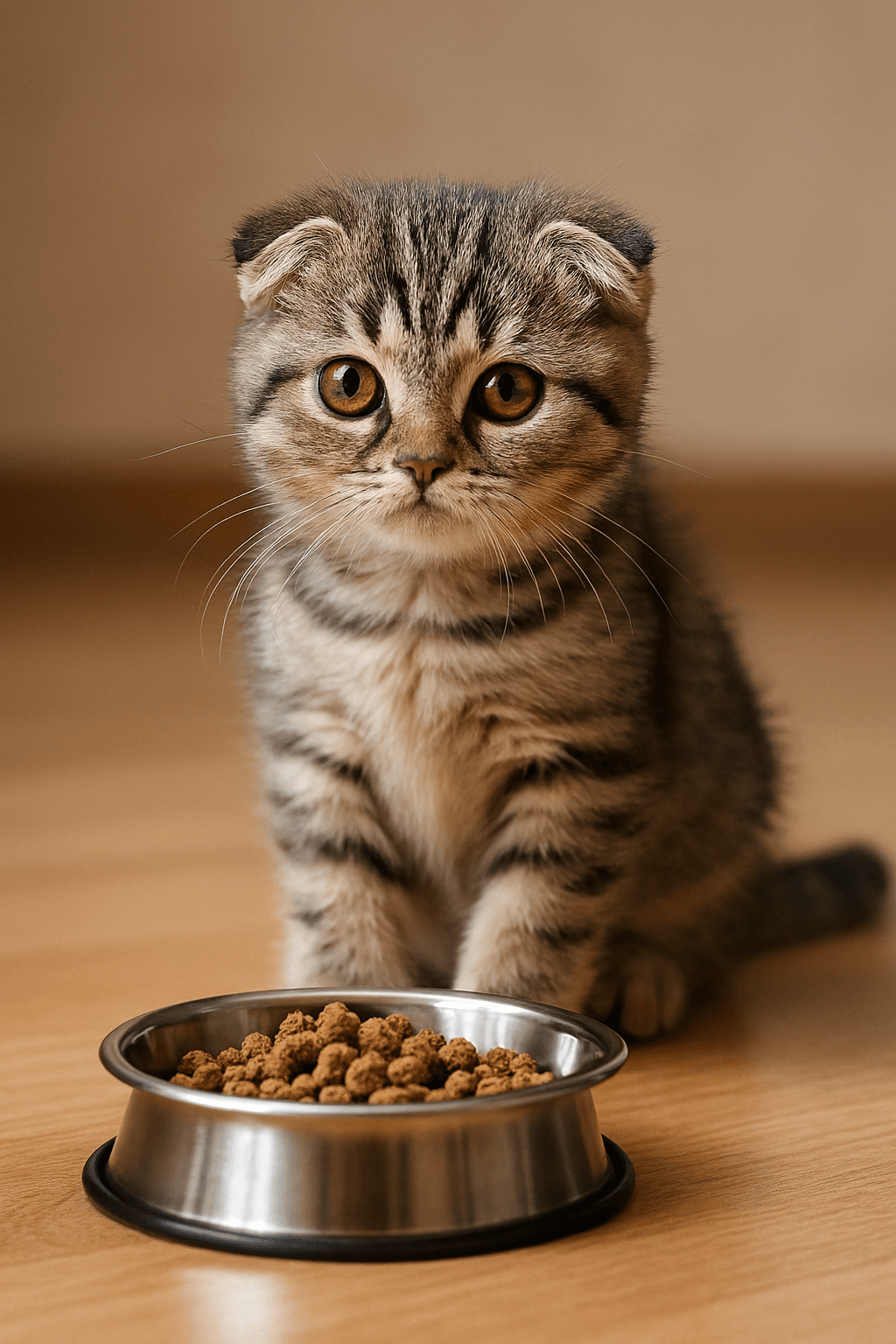
Scottish Fold Kittens Nutrition are among the most charming and unique cats, instantly recognizable by their folded ears and round, expressive faces. But behind their adorable appearance lies a critical need: proper nutrition during the first year of life. This early stage is when their bones, muscles, and immune system develop rapidly, and the right diet can make all the difference in ensuring a healthy future.
Feeding a Scottish Fold kitten isn’t just about filling the bowl it’s about understanding their growth stages, choosing the right balance of protein, fats, and essential nutrients, and avoiding common mistakes that can lead to obesity or joint problems later in life. In this guide, we’ll explore the key nutrition needs of Scottish Fold kittens during their first year, giving you practical tips to raise a strong, energetic, and happy feline companion.
Growth Stages & Nutrition Needs (0–12 Months)
0–3 Months: Early Development
At this stage, Scottish Fold Kittens Nutrition rely primarily on their mother’s milk, which provides antibodies and essential nutrients.
If the mother’s milk isn’t available, kitten formula is the safest substitute.
Feeding should be frequent every few hours because their tiny stomachs can’t hold much food at once.
3–6 Months: Transition to Solid Food
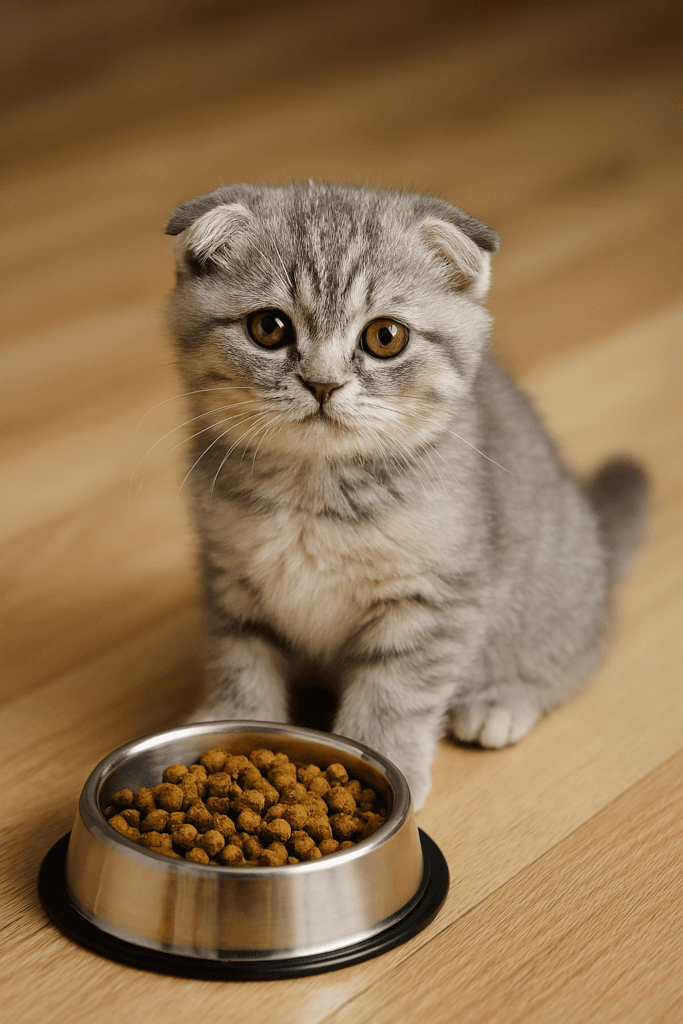
Around 3 months, kittens begin shifting from milk to solid food.
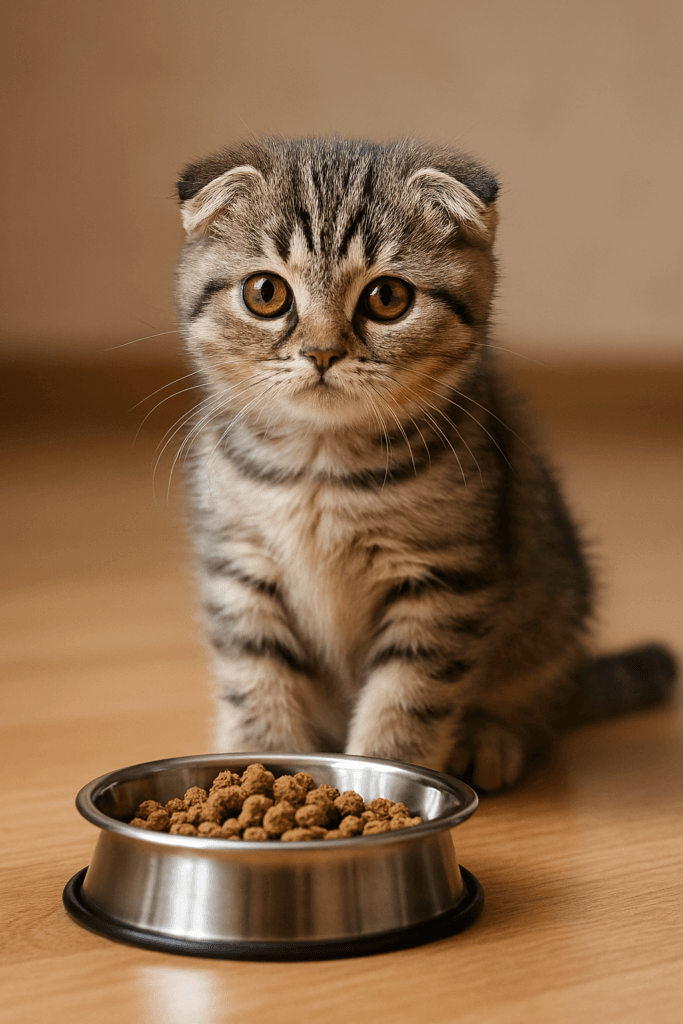
Introduce high‑quality kitten food rich in protein (chicken, turkey, fish).
Meals should still be small but more structured—3 to 4 times a day.
This stage is critical for muscle and bone growth, so nutrients like taurine, calcium, and omega‑3 fatty acids are essential.
6–12 Months: Growth & Maintenance
By 6 months, Scottish Fold kittens are more active and playful, requiring balanced energy intake.
Portion control becomes important to prevent obesity, a common issue in this breed.
Feeding can be reduced to 2–3 meals per day, with a mix of wet and dry food for hydration and dental health.
Ensure consistent access to fresh water, as hydration supports digestion and joint health.
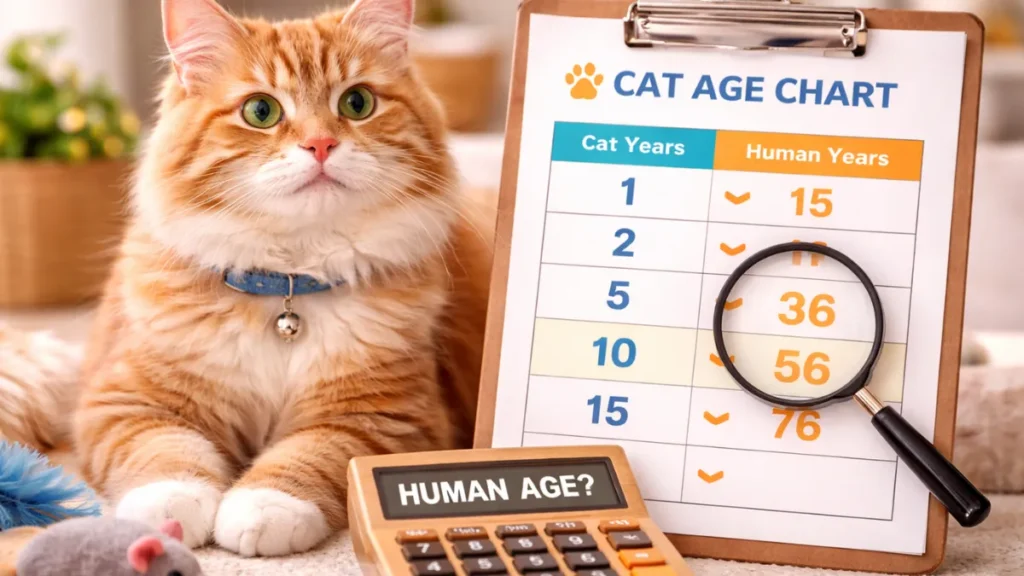
Calculate your kitten age perfectly with Cat Age Calculator
Best Foods for Scottish Fold Kittens Nutrition
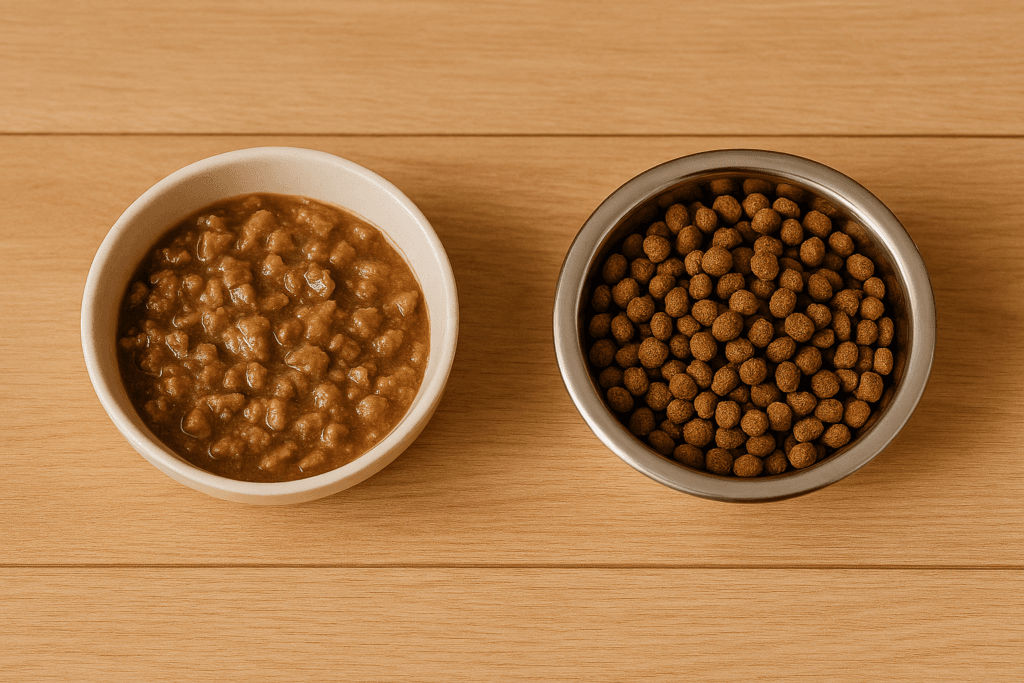
Scottish Fold Kittens Nutrition thrive on a diet that is rich in protein and balanced with essential nutrients to support their rapid growth. During the first year, their food should be carefully chosen to strengthen bones, muscles, and overall immunity. Wet food is often recommended in the early months because it is easier to chew and provides hydration, which is vital for digestion and kidney health. As they grow, dry food can be introduced gradually to support dental strength, but it should never replace hydration from fresh water.
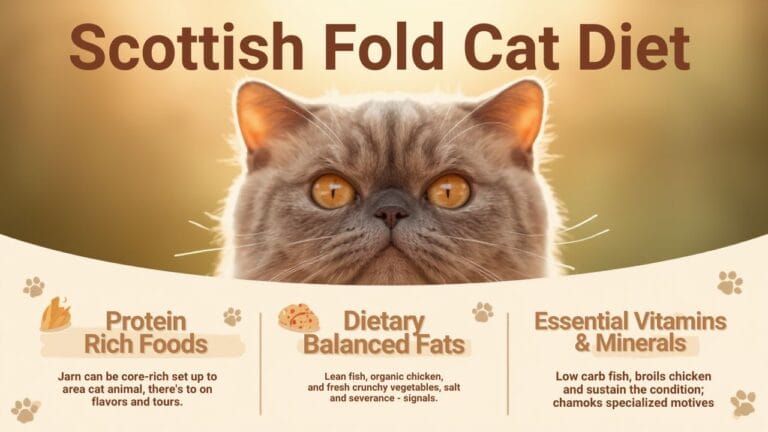
High‑quality protein sources such as chicken, turkey, and fish are ideal because they provide the amino acids necessary for muscle development. Taurine, an essential nutrient for cats, must be present in their diet to ensure proper heart and eye health. Omega‑3 fatty acids contribute to a shiny coat and healthy joints, while calcium and vitamin D are crucial for bone and cartilage development, especially since Scottish Folds are prone to joint issues.
Owners should avoid feeding kittens human snacks or foods that are toxic to cats, such as chocolate, onions, garlic, and bones that can splinter. Instead, focus on premium kitten food brands that are specifically formulated for growth stages. A balanced mix of wet and dry food, combined with consistent access to clean water, creates the foundation for a healthy Scottish Fold kitten in its first year.
Feeding Schedule & Portion Control
In the first year, a Scottish Fold kitten’s feeding schedule should evolve alongside its growth. During the earliest weeks, kittens require frequent meals because their stomachs are small and their energy demands are high. As they transition to solid food around three months, meals can be structured into three to four portions per day, ensuring that each serving is rich in protein and easy to digest. This routine helps them adjust gradually without overwhelming their digestive system.
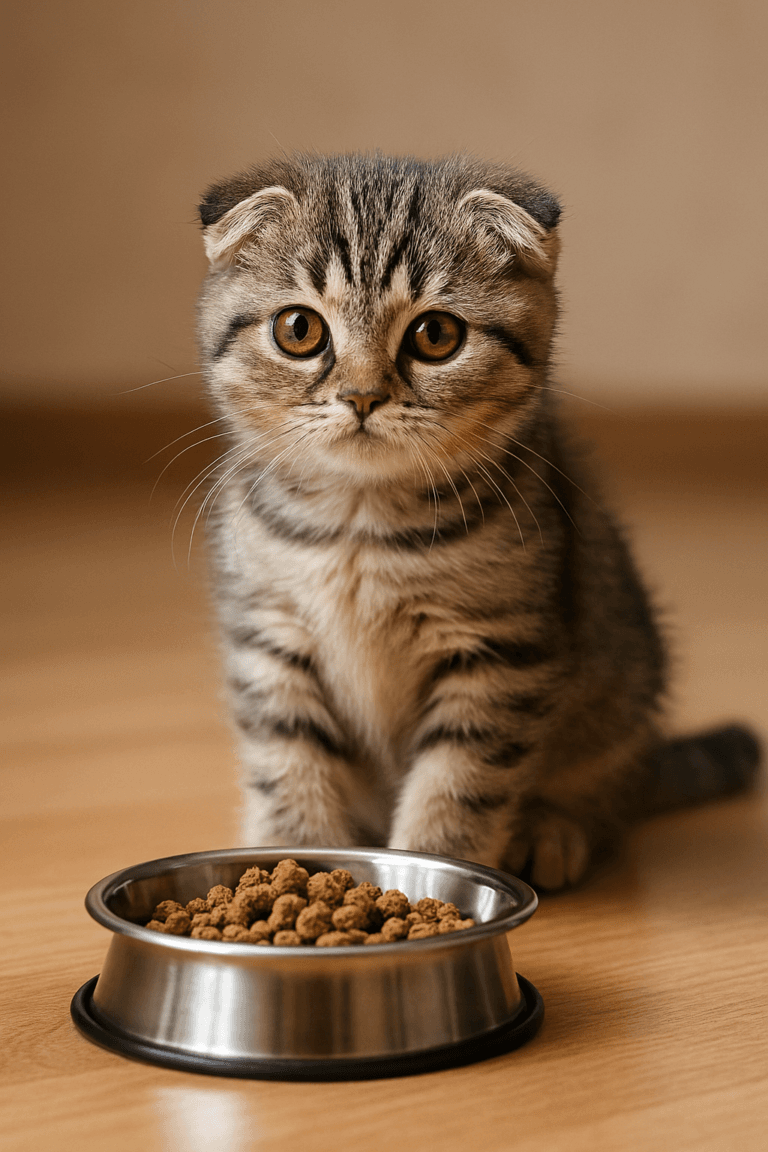
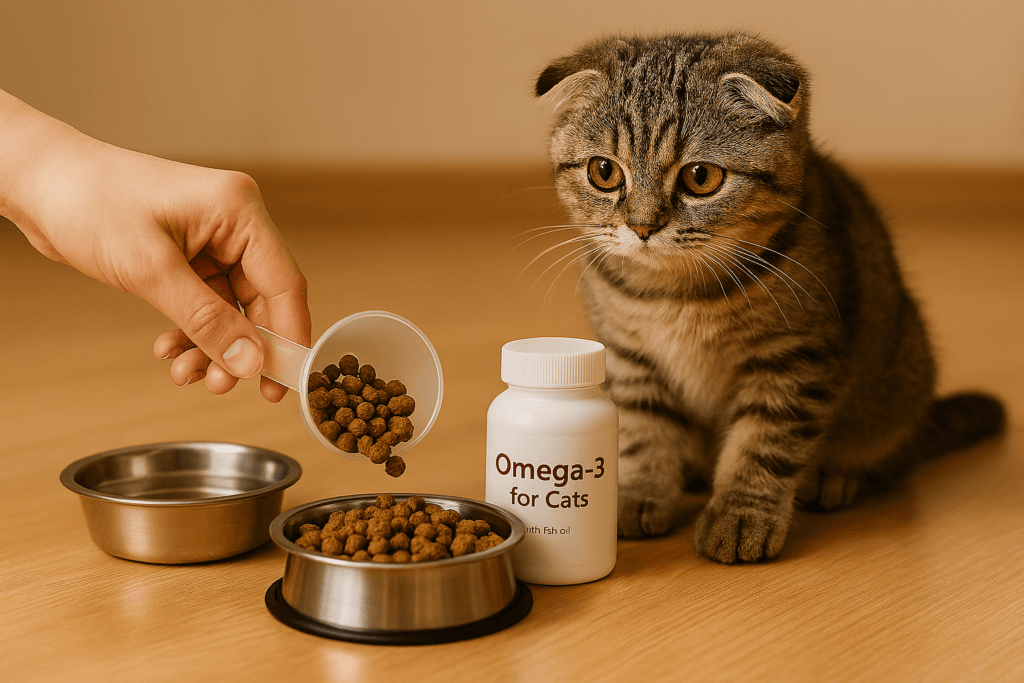
By six months, their metabolism begins to stabilize, and feeding can be reduced to two or three meals daily. At this stage, portion control becomes critical, as Scottish Folds are naturally prone to weight gain. Owners should measure food carefully rather than free‑feeding, since unrestricted access often leads to overeating. Wet food provides hydration and should remain part of the diet, while dry food can be introduced in moderation to support dental health.
Throughout the year, fresh water must always be available, and any changes in diet should be introduced slowly to avoid digestive upset. Monitoring weight and body condition regularly ensures that the kitten is receiving the right amount of food without excess calories. A consistent feeding schedule not only supports healthy growth but also establishes habits that will benefit the Scottish Fold throughout its life.
Common Health Concerns in Scottish Fold Kittens Nutrition
Scottish Fold kittens are undeniably adorable, but their breed comes with certain health considerations that owners must keep in mind during the first year. One of the most common issues is obesity, which can develop quickly if portion sizes are not carefully controlled. Because Scottish Folds are naturally less active compared to some other breeds, excess calories can lead to unhealthy weight gain, putting strain on their developing joints and organs.
Joint health is another major concern. The genetic mutation that gives Scottish Folds their signature folded ears can also affect cartilage throughout the body. This makes balanced nutrition with adequate calcium, vitamin D, and omega‑3 fatty acids essential to support bone strength and joint flexibility. A poor diet or lack of these nutrients can increase the risk of painful conditions such as arthritis later in life.
Digestive sensitivity is also common in kittens, especially when food changes are introduced too abruptly. Sudden shifts in diet can cause diarrhea, vomiting, or loss of appetite. To avoid this, new foods should be phased in gradually over several days, allowing the kitten’s digestive system to adapt.
By paying attention to these health concerns early on weight management, joint support, and digestive care owners can give their Scottish Fold Kittens Nutrition the best chance at a healthy, active, and comfortable life.
Supplements & Special Diets for Scottish Fold Kittens
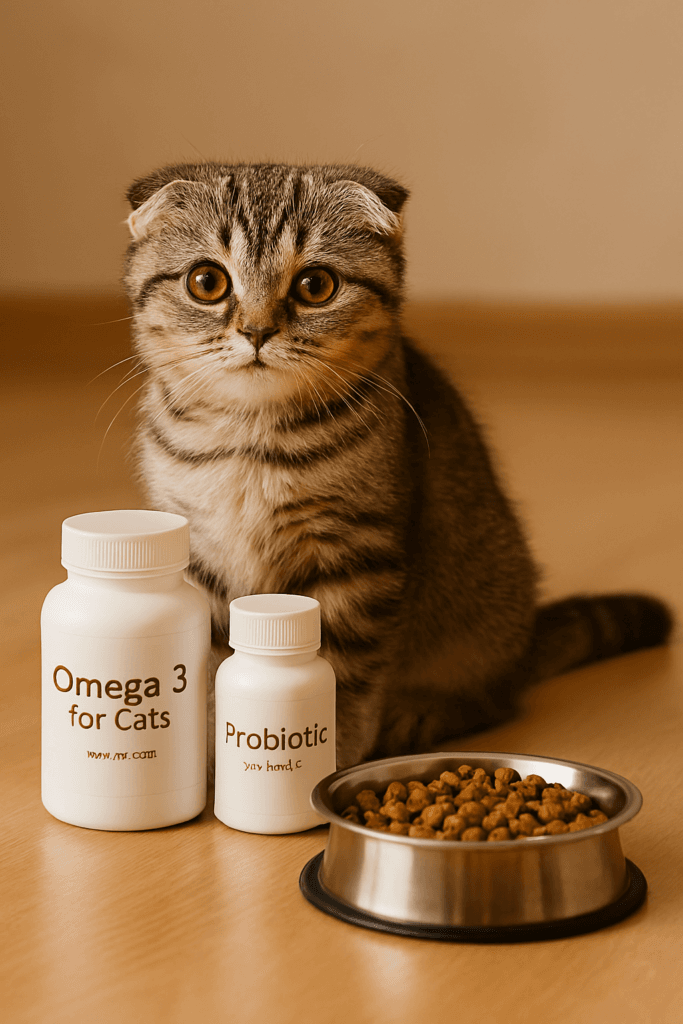
While a balanced kitten food usually provides all the essential nutrients, Scottish Fold Kittens Nutrition may benefit from certain supplements under veterinary guidance. Omega‑3 fatty acids are often recommended to support joint health and maintain a glossy coat, which is particularly important for this breed given their genetic predisposition to cartilage issues. Probiotics can also be useful in promoting healthy digestion, especially during transitions between different types of food.
It is important to remember that supplements should never replace a complete diet. They are meant to fill specific nutritional gaps or address health concerns identified by a veterinarian. Owners should avoid giving human vitamins or over‑the‑counter products without professional advice, as these can be harmful to kittens.
In some cases, special diets may be necessary. For example, kittens with sensitive stomachs may require hypoallergenic food, while those showing early signs of joint stiffness might benefit from diets enriched with glucosamine and chondroitin. Each Scottish Fold Kittens Nutrition is unique, so tailoring their nutrition plan ensures they receive the right support during their first year of growth.
Practical Tips for Owners
Raising a Scottish Fold Kittens Nutrition in its first year requires consistency, patience, and attention to detail. Choosing high‑quality kitten food is the foundation of good nutrition, and sticking to reputable brands ensures that your pet receives the right balance of protein, fats, and essential vitamins. Establishing a routine is equally important feeding at the same times each day helps regulate digestion and builds healthy habits that will carry into adulthood.
Monitoring your kitten’s weight and body condition regularly (with Cat Calorie Calculator) is a simple but powerful way to prevent obesity. A monthly check, combined with portion control, keeps growth on track without excess calories. When introducing new foods, always make the transition gradual, mixing small amounts of the new diet with the old over several days to avoid digestive upset. Hydration should never be overlooked; fresh water must be available at all times, especially if dry food is part of the diet.
Finally, remember that every Scottish Fold kitten is unique. Observing their energy levels, coat condition, and appetite will help you adjust their diet as needed. Regular veterinary checkup provide professional guidance and ensure that any nutritional gaps are addressed early. With these practical steps, owners can create a strong foundation for their kitten’s health, setting them up for a happy and active life.
Conclusion
The first year of a Scottish Fold kitten’s life is a period of rapid growth and development, and nutrition plays a central role in shaping their future health. From the early reliance on milk to the gradual introduction of solid food, every stage requires careful attention to protein, essential vitamins, and portion control. By choosing high‑quality food, maintaining a consistent feeding schedule, and monitoring weight, owners can prevent common issues such as obesity and joint strain.
Supplements and special diets may be necessary in certain cases, but they should always be guided by veterinary advice to ensure safety and effectiveness. Above all, a balanced approach combining proper nutrition, hydration, and regular checkups creates the foundation for a strong, energetic, and happy Scottish Fold kitten. With the right care in their first year, these charming cats can grow into healthy companions who bring joy for years to come.
FAQs
Q1: What is the best food for Scottish Fold kittens?
The best food for Scottish Fold kittens is a high‑quality, protein‑rich kitten formula that includes taurine, omega‑3 fatty acids, and calcium. Wet food is especially beneficial in the early months because it supports hydration and digestion, while dry food can be introduced gradually for dental health.
Q2: How often should Scottish Fold kittens eat in their first year?
In the first three months, kittens should eat small meals every few hours. From three to six months, feeding can be structured into three to four meals per day. By six months onward, two to three meals daily are sufficient, with careful portion control to prevent obesity.
Q3: Do Scottish Fold kittens need supplements?
Most kittens receive complete nutrition from premium kitten food, but supplements like omega‑3 fatty acids or probiotics may be recommended by a veterinarian. These can support joint health, coat condition, and digestion, but should only be given under professional guidance.
Q4: What foods should Scottish Fold kittens avoid?
Scottish Fold kittens should never be fed human snacks or toxic foods such as chocolate, onions, garlic, grapes, or bones that can splinter. These can cause serious health issues. Stick to vet‑approved kitten food for safe growth.
Q5: How can I prevent obesity in my Scottish Fold kitten?
Obesity prevention starts with portion control and a consistent feeding schedule. Avoid free‑feeding, measure food carefully, and monitor weight monthly. Combining balanced nutrition with regular playtime helps maintain a healthy body condition.