
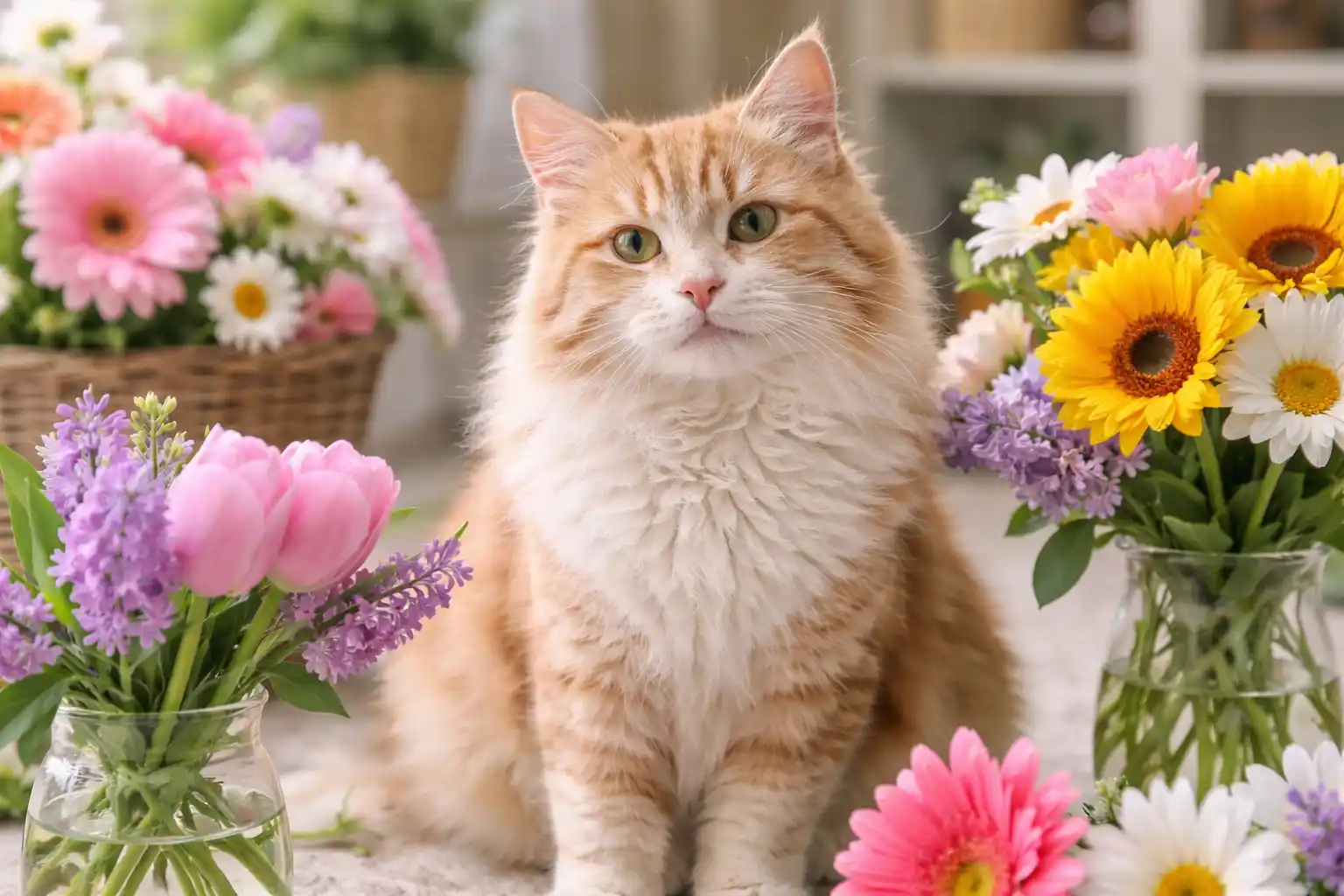
Non toxic flowers are not poisonous to cats, but they are not completely risk free. Veterinary sources agree that even safe flowers can cause mild stomach upset if a cat chews or eats them. For this reason, non toxic does not mean a flower is safe for unrestricted access.
Why Cat Owners Ask About Non Toxic Flowers
Cats are naturally curious, and many are drawn to plants, petals, and even vase water. Flower bouquets are commonly brought into homes as gifts, especially during holidays or celebrations. This often leaves cat owners wondering whether the flowers they received could harm their pets.
The concern is justified. Veterinary guidance shows that while some flowers are safe from a toxicity standpoint, improper exposure can still cause health issues.
Table of Contents
What Non Toxic Really Means for Cats
According to our experience with veterinary references such as PetMD, the ASPCA, and veterinary emergency centers, non toxic means a plant does not contain compounds known to cause poisoning in cats. However, this does not mean the plant is harmless if eaten.
Cats that chew on flowers may still experience digestive irritation. The amount eaten, the part of the plant, and the individual cat’s sensitivity all play a role in how the body reacts.
How Cats Are Commonly Exposed to Flowers
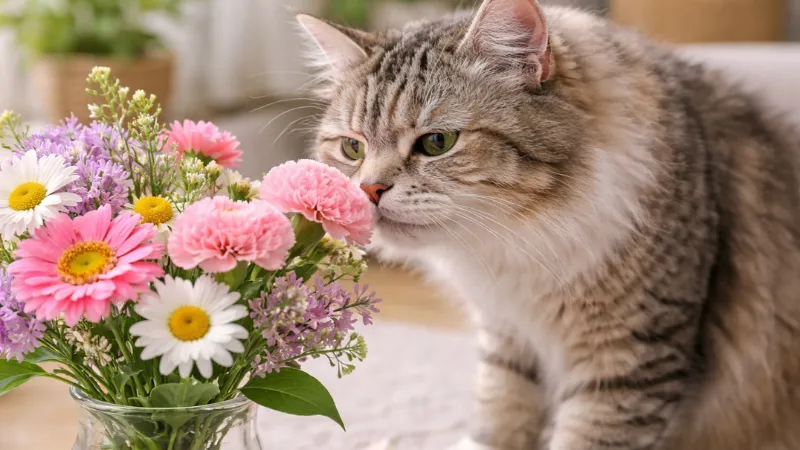
Cats can come into contact with flowers in several everyday situations.
Smelling flowers does not pose a health risk and is generally considered safe.
Licking petals or pollen is usually safe but may cause mild drooling or stomach discomfort in some cats.
Chewing or ingesting petals or leaves is the most common reason cats develop symptoms. Even non toxic flowers can irritate the stomach when eaten.
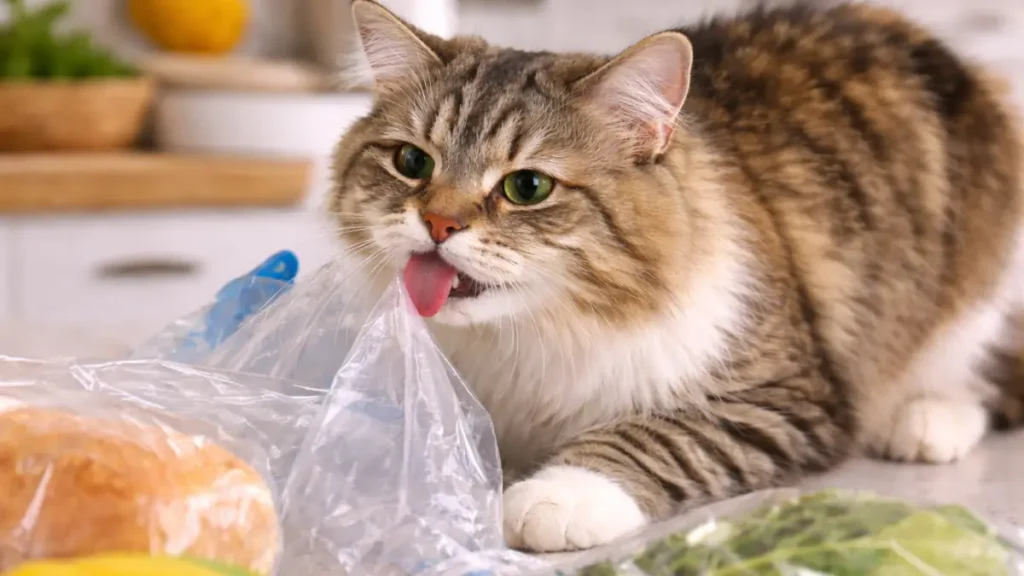
Vase water is often overlooked. Cats may drink from vases that contain bacteria, decaying plant matter, or flower food chemicals, which can lead to vomiting or diarrhea.
Fallen petals on the floor can become a play item and may be swallowed accidentally.
Flowers Commonly Considered Non Toxic for Cats
Veterinary reviewed sources consistently list several flowers as non toxic for cats when accidental exposure occurs. These include roses, orchids, sunflowers, gerbera daisies, African violets, snapdragons, freesia, asters, statice, lisianthus, and zinnias.
It is important to note that this list is not exhaustive and that plant identification matters. Some flowers share similar common names but have very different safety profiles.
Important Flower Confusions Cat Owners Should Know
One of the most common and dangerous confusions involves daisies. Standard daisies are considered toxic to cats, while gerbera daisies are a different species and are non toxic. Veterinary sources repeatedly warn that mixing these up can lead to accidental exposure.
Another misconception is assuming that flowers labelled as dog safe are also safe for cats. This is not always true. Cats process plant toxins differently, and some flowers that cause mild effects in dogs can be serious for cats.
Florist labels are helpful but not always reliable. Veterinary databases remain the safest reference point.
Flowers Often Mistaken as Safe but Should Be Avoided
Some flowers are frequently assumed to be safe but are known to cause harm in cats. Lilies are the most dangerous example. All parts of true lilies, including pollen and vase water, can cause severe kidney failure in cats and should never be kept in homes with cats.
Carnations, baby’s breath, tulips, daffodils, and azaleas are also commonly found in bouquets and can cause gastrointestinal symptoms or worse if ingested.
If you are unsure about a flower’s safety, it is safer to keep it out of reach or remove it entirely.
Possible Symptoms If a Cat Chews a Non Toxic Flower
Most reactions to non toxic flowers are mild and temporary. Common symptoms include vomiting, diarrhea, drooling, and a reduced appetite. These symptoms often resolve on their own, but monitoring is important.
Rarely, repeated vomiting or signs of dehydration may occur, especially if a cat consumes a larger amount or drinks contaminated vase water.
What Veterinarians Recommend Even With Non Toxic Flowers
Veterinary guidance emphasizes prevention. Even non toxic flowers should be placed out of a cat’s reach whenever possible. Hanging arrangements, closed rooms, or secure shelves can reduce exposure.
Vets also recommend avoiding flower food packets in homes with cats, as these products are not intended for pet consumption.
If your cat has access to plants, regular observation of chewing behavior is advised.
What to Do If Your Cat Eats Part of a Flower
If your cat chews or eats part of a flower, remove access to the plant and observe your cat closely. Mild symptoms may pass on their own, but persistent vomiting, lethargy, or refusal to eat warrants a call to your veterinarian.
If the flower cannot be clearly identified, contacting a veterinary clinic or an animal poison helpline is the safest option.
Safer Alternatives for Cat Friendly Homes
Cat owners who enjoy greenery often choose alternatives such as cat grass, enclosed terrariums, or artificial floral arrangements. These options allow decorative elements without increasing risk.
You may also want to read our guide on household plants that commonly cause confusion for cat owners, including aloe vera, which is often assumed to be safe but is not recommended for cats. Another related concern involves popular houseplants like snake plants, which are frequently brought into homes without awareness of potential risks.
Final Safety Advice for Cat Owners
Non toxic flowers can be part of a cat friendly home, but they should never be treated as completely harmless. Veterinary experts agree that awareness, proper placement, and supervision matter more than labels alone.
When in doubt, choosing caution over convenience helps keep cats safe.
Common Questions
Are non toxic flowers completely safe for cats?
No. Non toxic flowers are not poisonous, but they can still cause mild stomach upset if a cat chews or eats them. Vets recommend keeping even safe flowers out of reach.
Can cats safely smell flowers indoors?
Yes. Smelling flowers does not pose a health risk to cats. Problems usually occur when cats lick, chew, or ingest parts of the plant.
What happens if a cat eats petals from a non toxic flower?
Most cats may experience mild symptoms such as vomiting, diarrhea, or drooling. These symptoms are usually temporary, but monitoring is important.
Are roses safe for cats to keep inside the home?
Yes. Roses are considered non toxic to cats. However, thorns can cause physical injury, so they should be removed or kept out of reach.
Are daisies safe for cats?
It depends. Regular daisies are toxic to cats, but gerbera daisies are a different species and are considered non toxic. This confusion is common and important to understand.
Can vase water from flowers make cats sick?
Yes. Vase water may contain bacteria, decaying plant material, or flower food chemicals, which can cause stomach upset if ingested by cats.
Are flowers that are safe for dogs also safe for cats?
Not always. Some flowers that cause mild issues in dogs can be dangerous for cats. Cats process plant substances differently.
What should I do if I am unsure whether a flower is safe?
If the flower cannot be clearly identified, it is safest to keep it away from your cat and consult a veterinarian or a trusted plant safety database.
When should I contact a vet after flower exposure?
If your cat shows persistent vomiting, lethargy, loss of appetite, or you suspect exposure to a toxic flower, contact your veterinarian immediately.
Sources and Veterinary References
This article is based on veterinary reviewed guidance from PetMD, the ASPCA Animal Poison Control Plant Database, Veterinary Emergency and Referral Center resources, the Cat Protection Society of NSW, and other vet informed flower safety guides provided by reputable organizations.