

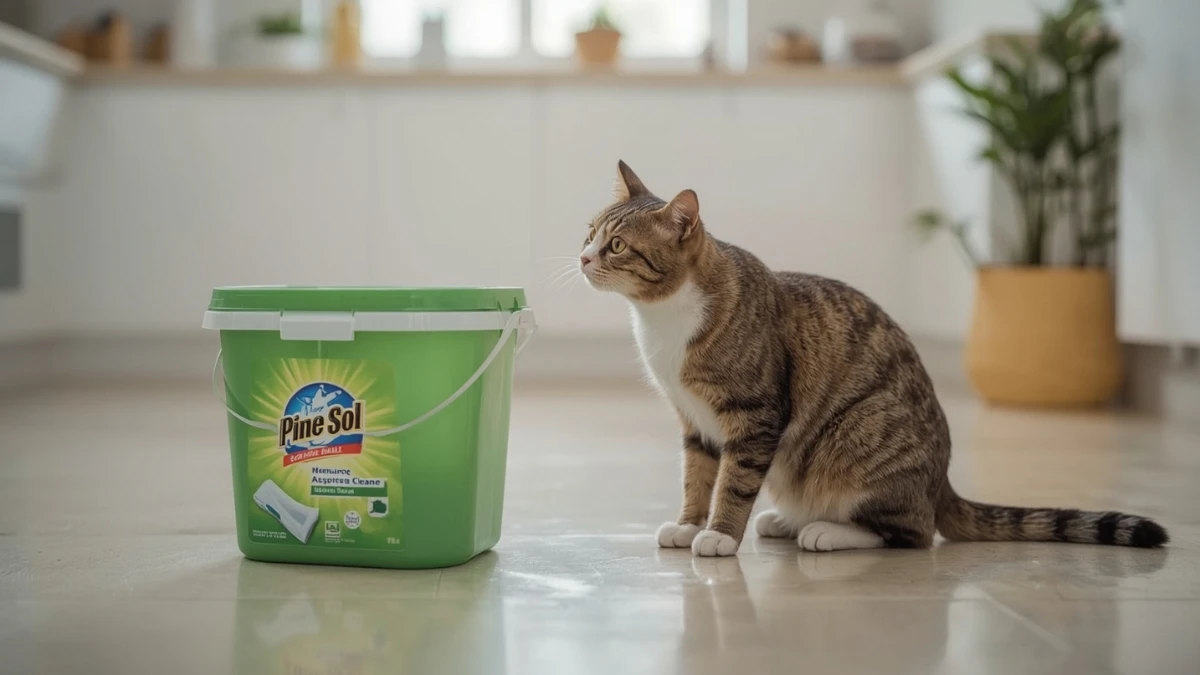
If you share your home with a cat, you may wonder whether common household cleaners like Pine Sol are safe to use. The short and honest answer is no. Pine Sol is not considered safe for cats, and it should be used with caution or avoided in homes with cats.
Veterinary experts and pet safety resources consistently explain that cats are more sensitive than humans to certain cleaning chemicals and strong fragrances. Even when a product is safe for people, it may still cause problems for cats.
Table of Contents
Short Answer for Cat Owners
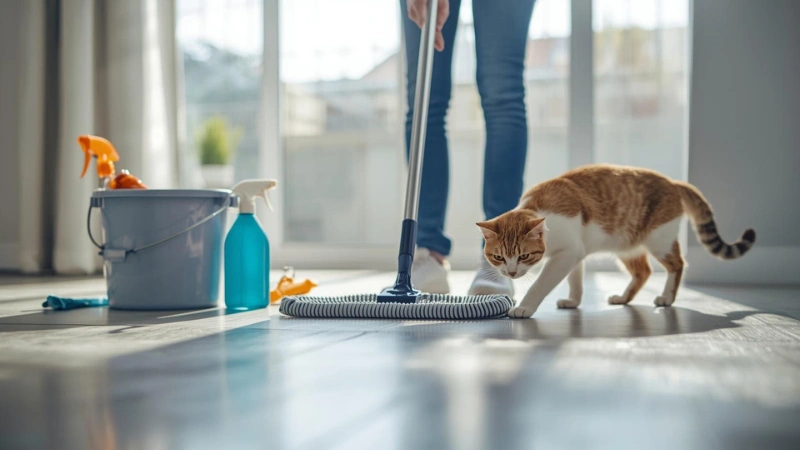
Pine Sol is not recommended for use around cats. While small or brief exposure does not always cause severe poisoning, it can lead to irritation or digestive upset. The safest approach is to keep cats away from areas cleaned with Pine Sol and choose pet friendly alternatives whenever possible.
Why Pine Sol Is Not Considered Safe for Cats
Cats have a unique metabolism. Their livers cannot properly process some chemicals found in household cleaners, especially compounds related to strong fragrances and essential oil type ingredients.

Earlier Pine Sol formulas contained pine oil, which is known to be irritating to cats. Modern versions have changed, but veterinary sources still do not list Pine Sol as cat safe. The concern is not only about swallowing the product, but also about contact with paws, fur, and breathing in fumes.
Cats are more sensitive to household cleaners than people, especially products with strong fragrances. This sensitivity is well documented in veterinary toxicology resources that focus on pet exposure to common chemicals.
How Cats Can Be Exposed to Pine Sol
Cats are curious and spend a lot of time close to the floor. This makes them more likely to come into contact with cleaning products.
Ingestion and Paw Licking
The most common risk happens when a cat walks across a freshly cleaned surface. Residue can stick to their paws, and cats naturally lick their paws while grooming. Even a small amount swallowed this way can cause stomach irritation.
Breathing in Strong Fumes
Cats have a very sensitive sense of smell. Strong Pine Sol fumes, especially in poorly ventilated rooms, can irritate a cat’s nose and airways. While smell alone usually does not cause poisoning, it can still make cats uncomfortable.
Skin or Fur Contact
Direct contact with wet cleaner may irritate a cat’s skin or mouth. This risk increases if the cat later grooms the area.
Is Pine Sol Safe for Cats After It Dries?
This is one of the most common questions cat owners ask.
Veterinary guidance suggests that once Pine Sol has fully dried, the risk is lower, but it is not completely eliminated. Small amounts of residue may still remain on floors or surfaces. Because cats walk and lie on these areas, exposure can still happen later through grooming.
The safest practice is to keep cats out of the room while cleaning and until all surfaces are completely dry.
Is Pine Sol Safe for Cats to Smell?
Brief exposure to the smell of Pine Sol is unlikely to cause poisoning. However, strong fumes can irritate a cat’s respiratory system, especially in enclosed spaces.
Good ventilation is important. If the smell feels strong to you, it is likely overwhelming for your cat.
What Symptoms Might Appear After Exposure
Most reported cases involve mild symptoms, but they should still be taken seriously. Symptoms may include drooling, vomiting, diarrhea, lethargy, or irritation around the mouth and paws.
If symptoms are mild and short lived, monitoring your cat may be enough. If symptoms continue or worsen, a veterinarian should be contacted.
What To Do If Your Cat Is Exposed to Pine Sol
If you believe your cat has been exposed, remove them from the area immediately. Gently wiping or rinsing paws with plain water can help remove residue. Avoid using other cleaning products on your cat.
Veterinary advice is recommended if symptoms do not improve or if your cat appears unusually tired or distressed.
Are Scented or Lavender Pine Sol Products Safer for Cats?
No. Scented versions, including lavender Pine Sol, are not safer for cats. Added fragrances may increase the risk of irritation. Veterinary sources do not consider scented cleaners safer than regular versions when it comes to cats.
Safer Cleaning Alternatives for Homes With Cats
If you are concerned about household safety, choosing gentler cleaning options is a smart move. Unscented cleaners labeled as pet friendly and simple cleaning habits like proper ventilation can help reduce risk.
Learning more about cat health and safety can help prevent many common household accidents and exposures.
Final Thoughts From a Veterinary Perspective
Pine Sol is not among the most dangerous household products for cats, but it is also not considered safe. Most problems happen when cats walk on freshly cleaned surfaces or are exposed to strong fumes in closed spaces.
In real world veterinary experience, prevention is always the best approach. Keeping cats away during cleaning, allowing surfaces to dry completely, and choosing safer alternatives can go a long way in protecting your cat’s health.
For other common household risks, you may also find it helpful to read about flowers like carnations that are not considered safe for cats, as well as toxic plants such as jade plants, which can cause similar mild reactions.
Common Questions of Cat Owners
Is Pine Sol safe for cats after it dries?
Once Pine Sol has completely dried, the risk to cats is lower, but it is not considered completely safe. Small residue may remain on surfaces that cats can walk on or lie on, so keeping cats away until floors are fully dry is recommended.
Is Pine Sol safe for cats to smell?
Brief exposure to the smell of Pine Sol is unlikely to cause poisoning, but strong fumes can irritate a cat’s sensitive respiratory system. Good ventilation and keeping cats out of the area during cleaning helps reduce discomfort.
Is lavender Pine Sol safe for cats?
Lavender and other scented Pine Sol products are not safer for cats. Added fragrances may increase irritation, and veterinary sources do not consider scented cleaners to be cat friendly.









One Response