


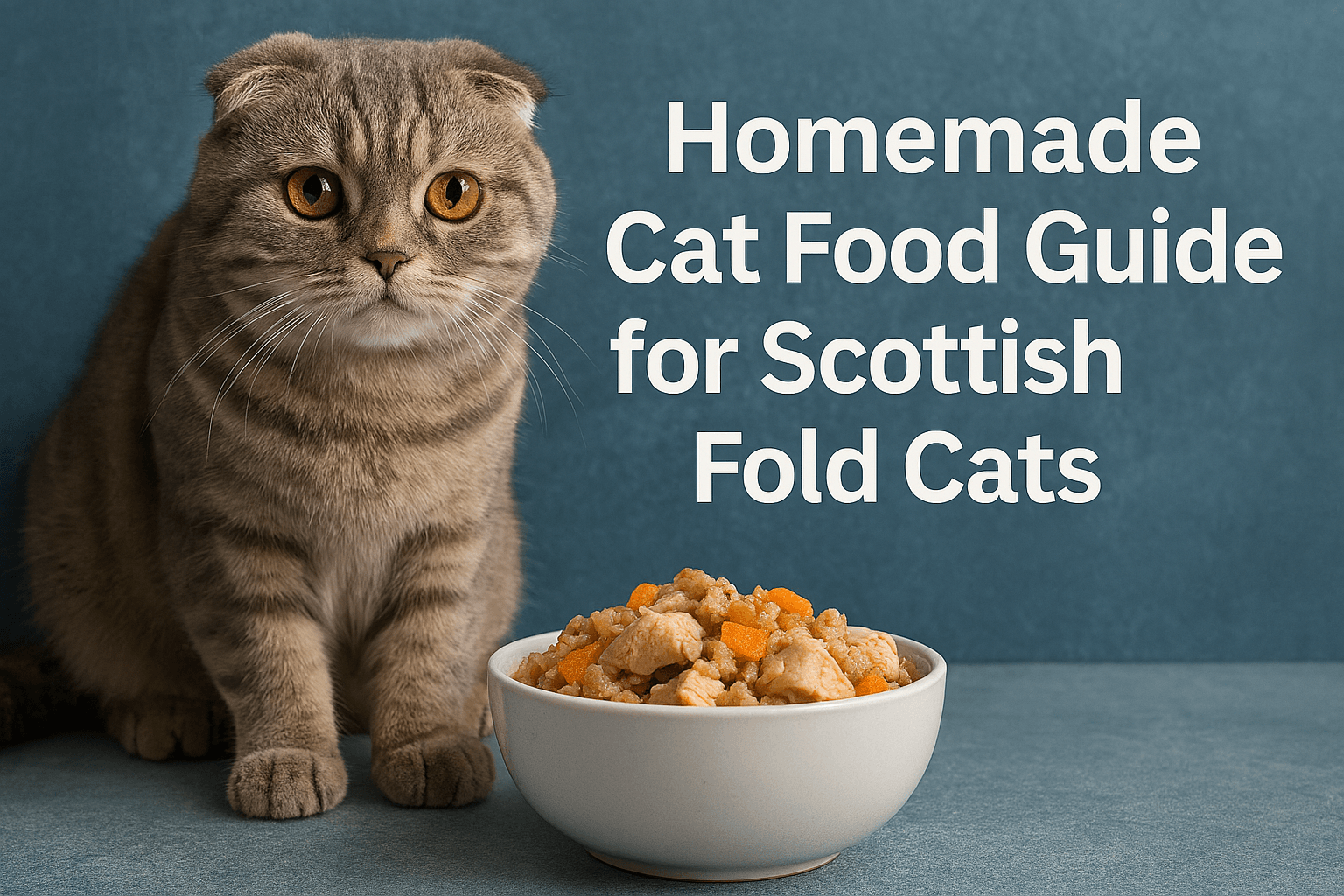
Homemade Cat Food Guide for Scottish Fold Cats
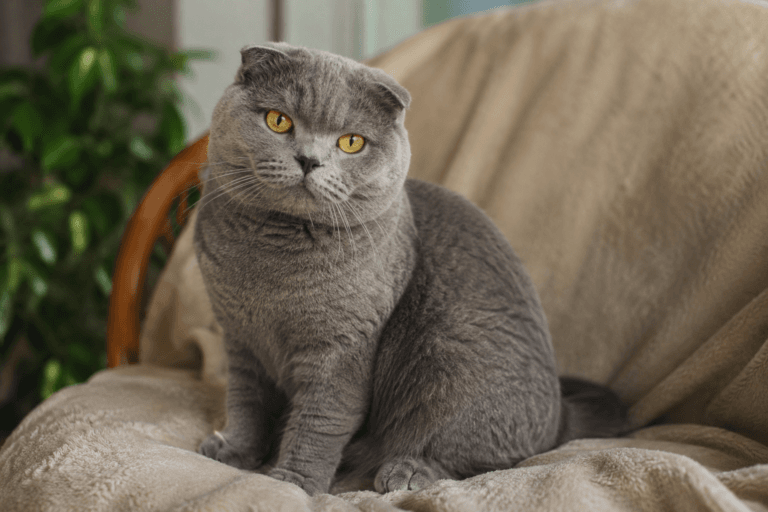
Scottish Fold cats are unique felines with special dietary needs. As a cat parent, investing time in homemade cat food can ensure better nutrition, energy management, and stress free living. With guidance from a veterinarian or a veterinary nutritionist, you can design recipes that meet AAFCO and FEDIAF standards, keeping your pet healthy and happy.
Why Homemade cat Food Matters
Homemade food allows you to control the ingredients and avoid harmful additives found in many commercial products. By using muscle meat, organs like liver and kidney, and ruminants such as beef or lamb, you provide nutrition closer to what cats would eat in the wild. This approach supports energy management, weight control, and stress reduction. Supplements like calcium, copper, taurine, and Alnutrin help balance the diet according to the Association of American
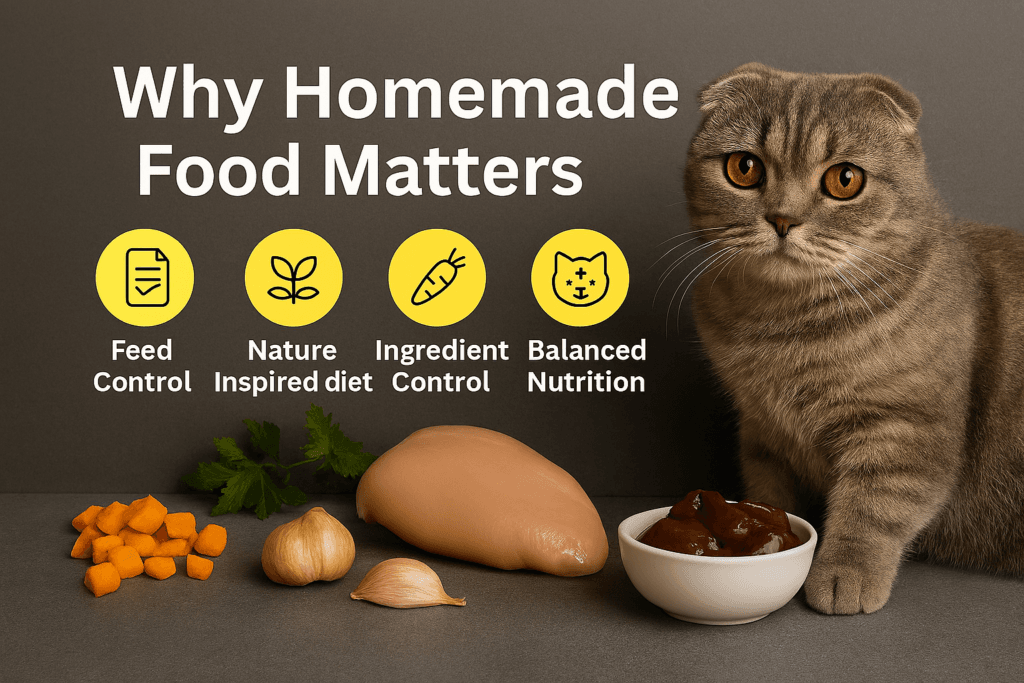
Feed Control Officials guidelines.
Nature inspired diet Cats thrive on animal protein, muscle meat, organs like liver and kidney, and ruminants such as beef or lamb.
Ingredient control You choose safe, fresh ingredients like chicken, duck, pork, or fish.
Balanced nutrition Supplements such as calcium, copper, taurine, and Alnutrin ensure compliance with the Association of American Feed Control Officials.
Hydration Homemade food provides moisture, unlike dry kibble or dry food.
Nutritional Needs of Scottish Fold Cats
Scottish Fold cats require a diet rich in animal protein to build muscle and maintain energy. Fat provides calories and supports healthy weight management. Essential amino acids strengthen the immune system, teeth, and overall health. Vitamins such as Vitamin A (from liver), Vitamin E, Vitamin C, and B-complex vitamins are crucial for growth and vitality. Omega-3 fatty acids from fish improve coat quality and reduce inflammation. Moisture-rich meals are better than dry kibble or dry food, as hydration is vital for digestion and kidney health.
A proper feline diet should include:
Protein – Builds muscle and supports energy.
Fat – Provides calories and helps with weight management.
Amino acids – Essential for immune system, teeth, and overall health.
Vitamins – Vitamin A (from liver), Vitamin E, Vitamin C, and Bcomplex vitamins.
Omega3 fatty acids – From fish, supporting skin, coat, and immune system.
Homemade Recipes
1. Chicken & Organ Mix
A recipe combining chicken breast, chicken liver, calcium supplement, and taurine powder provides protein, Vitamin A, and essential minerals. Adding broth ensures moisture for hydration.
Chicken breast + chicken liver
Calcium supplement
Taurine powder
Moisturerich broth
2. Fish & Pumpkin Bowl
Steamed fish such as salmon or cod paired with mashed pumpkin delivers Omega-3 fatty acids and fiber. This supports digestion and immune system health.
Steamed fish (salmon or cod)
Mashed pumpkin
Omega3 fatty acids supplement
3. Duck & Pork Stew
Duck meat and pork kidney supply protein, copper, and B-complex vitamins. Adding Alnutrin ensures the recipe meets nutritional standards.
Duck meat + pork kidney
Copper supplement
Alnutrin for balance
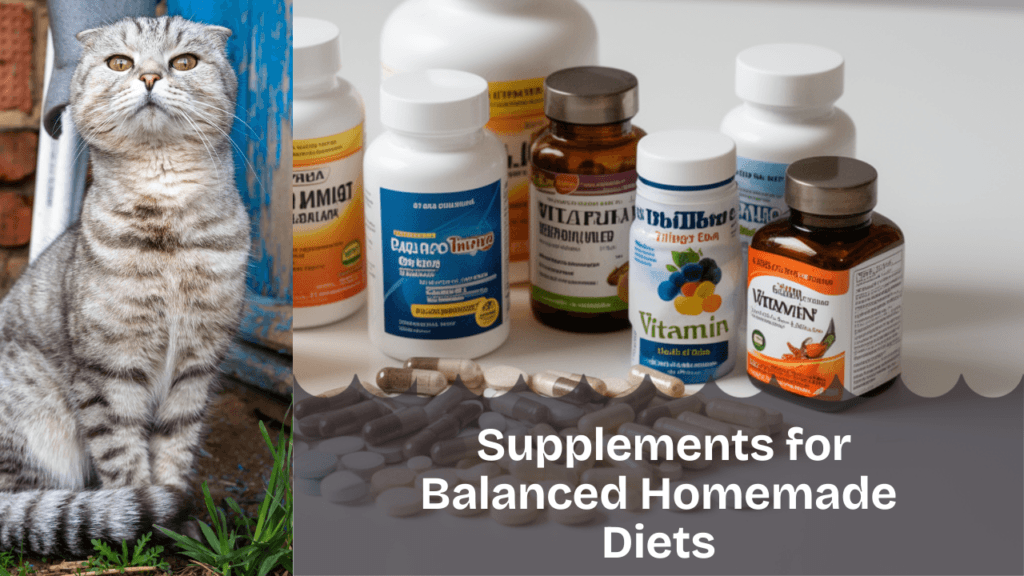
Supplements for Balanced Homemade Diets
Homemade meals often need supplements to match the nutrition found in commercial products. Products like Alnutrin can balance recipes with Omega-3 fatty acids, Vitamin E, Vitamin C, and B-complex vitamins. These nutrients support hydration, muscle growth, energy management, and immune system strength. Without supplements, cats may miss out on essential micronutrients, so planning is key.
Safe Ingredients vs. Toxic Foods
Safe ingredients include chicken, duck, pork, fish, beef, organs (liver, kidney), and moisture-rich broth. These provide natural hydration and energy. However, some foods are toxic: chocolate, onions, garlic, uncooked meat, and dairy. Cats are often lactose intolerant because they lack the lactase enzyme, making yogurt and milk unsuitable. Avoiding toxic foods is critical for digestive health and long-term safety.
Foods to Avoid
Certain foods are toxic to cats and must be avoided. These include chocolate, onions, garlic, and uncooked meat due to parasite risks. Dairy products are unsuitable because cats are often lactose intolerant and lack the lactase enzyme needed for digestion. Even yogurt should be given cautiously. Avoid processed products with excess salt or artificial additives.
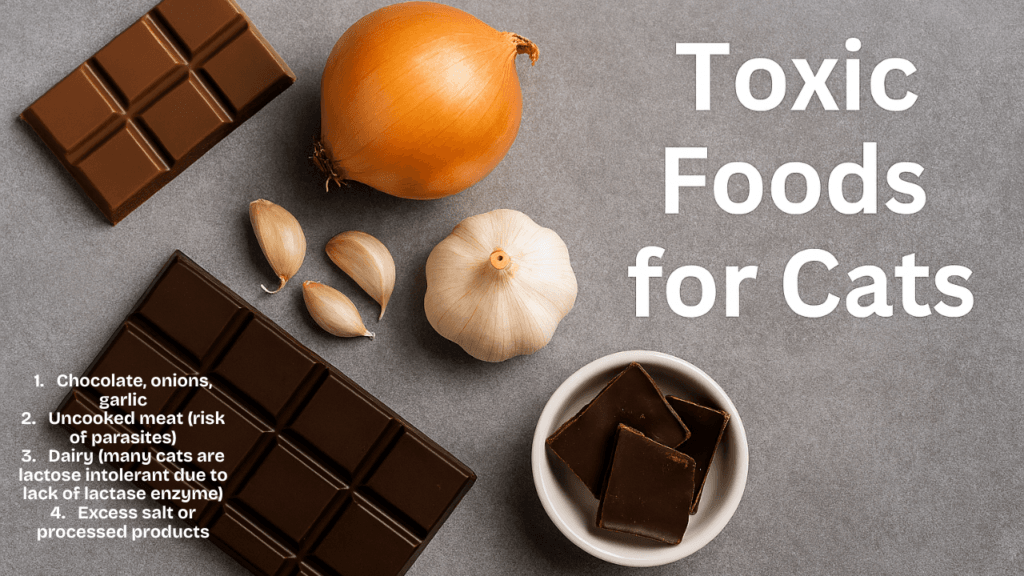
Toxic foods for cats include:
1. Chocolate, onions, garlic
2. Uncooked meat (risk of parasites)
3. Dairy (many cats are lactose intolerant due to lack of lactase enzyme)
4. Excess salt or processed product
Non Toxic Flowers for cats Safe Choices Every Owner Should Know!
Planning and Investment for Cat Parents
Preparing homemade food is an investment in your pet’s health. Cat parents should research recipes, plan weekly meals, and consult professionals to ensure compliance with AAFCO and FEDIAF guidelines. With proper planning, Scottish Fold cats can thrive on a diet that mirrors their natural needs, supporting muscle strength, immune system health, and stress-free living.
Hydration and Moisture in Cat Diets
Unlike humans, cats naturally drink less water. Relying only on dry Kibble or dry food can lead to dehydration and kidney stress. Homemade food provides natural moisture, improving digestion and hydration. Adding broth or lightly cooked ingredients ensures your Scottish Fold stays hydrated, supporting energy and weight balance.
Feeding & Management Tips
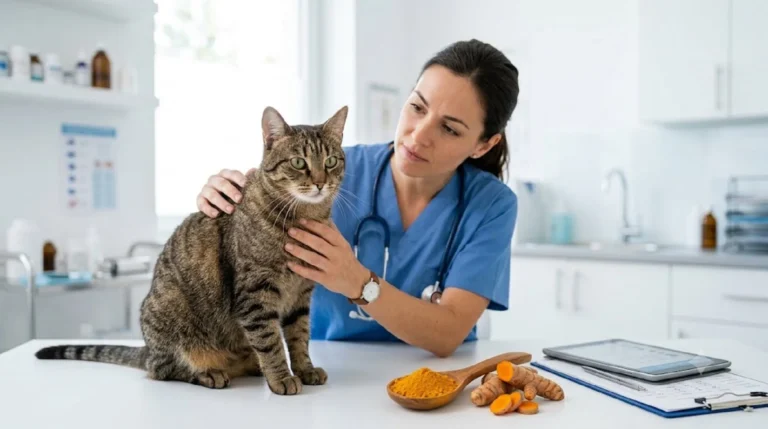
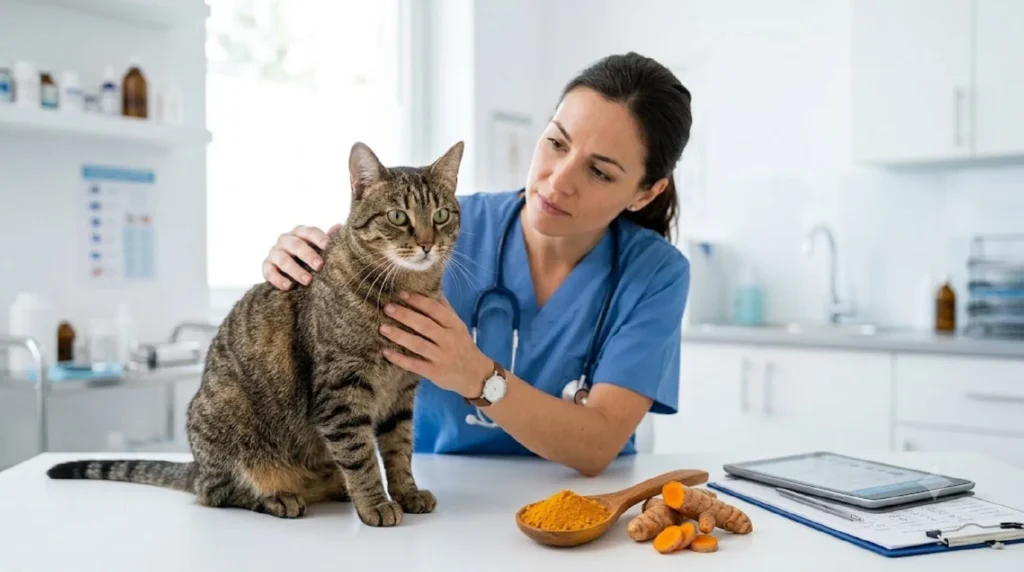
Feed your Scottish Fold 2–3 meals daily, ensuring each portion is balanced with protein, fat, and supplements. Always provide fresh water to maintain hydration. Monitor weight carefully, as obesity can stress joints and reduce energy. Work closely with a veterinarian or veterinary nutritionist to adjust recipes and supplements. Regular research and planning will help you maintain compliance with AAFCO and FEDIAF standards.
Feed 2–3 meals daily.
Always provide fresh water for hydration.
Monitor weight to prevent stress on joints.
Work with a veterinarian or nutritionist to adjust supplements.
Research and plan recipes carefully to meet AAFCO/FEDIAF guidelines.
Weekly Meal Plan
| Day | Recipe Idea | Key Nutrients |
| Monday | Chicken & Rice Bowl | Protein + Taurine |
| Tuesday | Fish & Pumpkin Mix | Omega3 + Fiber |
| Wednesday | Beef & Kidney Stew | Iron + Calcium |
| Thursday | Duck & Liver Combo | Vitamin A + Copper |
| Friday | Pork & Carrot Mash | Protein + Bcomplex |
| Saturday | Chicken & Fish Blend | Amino acids + Energy |
| Sunday | Balanced Organ Mix | Moisture + Minerals |
FAQs
What supplements are needed in homemade cat food?
Essential supplements for homemade cat food include taurine (crucial amino acid), calcium (from bone meal or eggshell powder), Vitamin E, Vitamin D, fish oil (for Omega-3 fatty acids), and a source of iron and iodine.
Can Scottish Fold cats eat dry kibble?
Yes, Scottish Fold cats can eat dry kibble, and it is a common choice for providing essential nutrients and supporting dental health. While dry food is suitable, it is often recommended to combine it with wet food to ensure proper hydration, as Folds can be prone to kidney issues and need adequate moisture intake.
Which foods are toxic for cats?
Human foods that are toxic to cats:
Alcohol and alcohol-containing foods and substances
Nuts
Dairy
Avocado
Chocolate, coffee and foods containing caffeine
Grapes, raisins and currants
Onion and garlic
Raw meat, fish and eggs
Conclusion
Homemade cat food is an investment in your pet’s health. By using fresh ingredients like chicken, fish, duck, pork and organs, and balancing them with supplements, you can provide a diet that supports energy, muscle growth, immune system strength, and overall well-being. With proper planning and veterinary guidance, your Scottish Fold can thrive on a natural, homemade diet.

2 Responses