


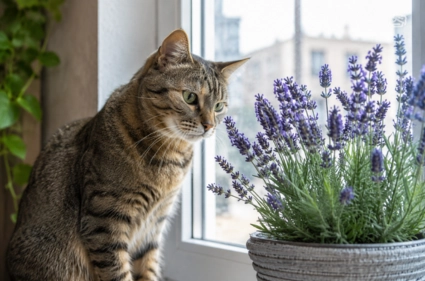
Is Lavender Safe for Cats? No | Here Is What Vets Actually Say
Lavender is a purple flowering plant that is famous for its beauty, pleasant smell, and calming properties. Many people like to grow it in their home gardens. The scientific name of the lavender plant is Lavandula angustifolia.
However, when it comes to cats, the lavender plant is not safe for cats and considered toxic according to the ASPCA because it contains Linlool, linalyl acetate and some potential risks for cats. While humans love the smell of lavender, people also use Lavandula angustifolia in oils, candles, and different aromatherapy products.
Even then, cat owners have always had one common question about lavender: “Is lavender safe for cats?” In this article, we will discuss the risks, effects, and safety of the Lavandula angustifolia plant for cats. At Cats Mastery we cover everything you need to know to keep your cat safe at home.
Why Is Lavender Toxic to Cats?
No, lavender is not safe for cats in any way. ASPCA has listed lavender as toxic for cats, and veterinary experts continuously warn cat owners about this plant and all of its forms. Whether it is displayed near your home window, used as an oil, or present in a scented candle in your room, Lavender can be a serious health risk for your cat. Below the common concepts of vets in case of lavender not safe for cats:
- Toxic compounds
- Essential oils risk
- Double exposure
- Diffusers & sprays
What Compounds in Lavender Harm Cats?
The Lavender contains chemical compounds called linalool and linalyl acetate, which can strongly irritate a cat’s skin and eyes. One of the first side effects is usually skin irritation. Because of this, you may notice hair loss or small red bumps on the skin under your cat’s fur.
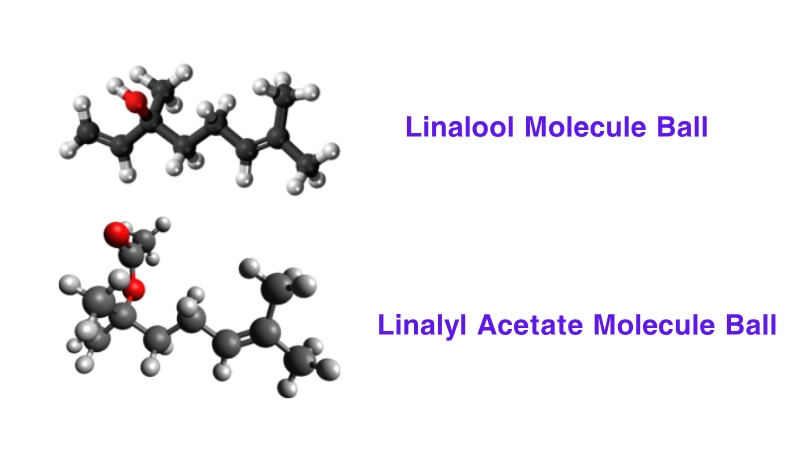
These chemicals can also damage a cat’s liver. As a result, symptoms such as cognitive changes, aggression, weight loss, jaundice, and vomiting may start to appear in cats.
In Lavender essential oil, the amount of linalool is usually around 20-40%, which is considered very high. The amount of linalyl acetate is normally around 26-30%. These two compounds are responsible for lavender’s fragrance and therapeutic properties. However, these percentages can change depending on the plant’s growing conditions, such as its species and cultivar.
| Compound | Typical Range in Lavender Essential Oil | Role/Properties |
| Linalool | 20–40% | Floral scent, calming, antimicrobial |
| Linalyl acetate | 26–37% | Sweet, fruity aroma, sedative, anti-inflammatory |
Common Symptoms of Lavender Toxicity in Cats
If your cat has eaten or smelled lavender, the symptoms may start appearing very quickly because lavender can affect cats fast. Common symptoms of lavender poisoning in cats include:
- Vomiting: Vomiting is one of the quickest signs that can help you understand that your cat may have eaten or smelled lavender or another toxic plant. There are also many other household plants like snake plants (Aloe Vera) that can be harmful to a cat’s health.
- Diarrhea: You may also notice some physical and behavioral changes in your cat, such as stress, parasites, dietary changes, watery stool, unformed stool, lower GI bleeding, upper GI bleeding, weight loss, and hiding behavior. These are all common signs of diarrhea in cats.
- Drooling: Although drooling is sometimes considered a sign of comfort or happiness in cats, excessive drooling all the time can mean that your cat is having a health problem. Oral issues, liver problems, toxicity, or injuries can also cause drooling in cats.
- Loss of appetite: If a cat consumes lavender, it may lose its appetite and eat very little. In some cases, the cat may vomit shortly after eating. This is also a common problem seen in cats affected by lavender toxicity.
- Lethargy: The cat may become very weak, inactive, and tired. It may stop moving around normally and seem low on energy most of the time. Because of this discomfort and weakness, the cat can also develop anxiety and stress.
- Dizziness: The cat may start feeling dizzy or appear confused, as if its head is spinning. In severe cases, the effect can be similar to temporary sedation, where the cat looks weak, unsteady, or less responsive for a short time.
- Respiratory issues: This can also make it difficult for the cat to breathe properly. Breathing problems are more commonly seen when cats are exposed to or inhale lavender essential oils.
- Cardiac effects: Slowed or irregular heart rate.
- Skin/mouth irritation: Redness, erosions, or burns (especially from oils or potpourri)
Is Lavender Essential Oil Safe for Cats?
No, lavender essential oil is not safe for cats.
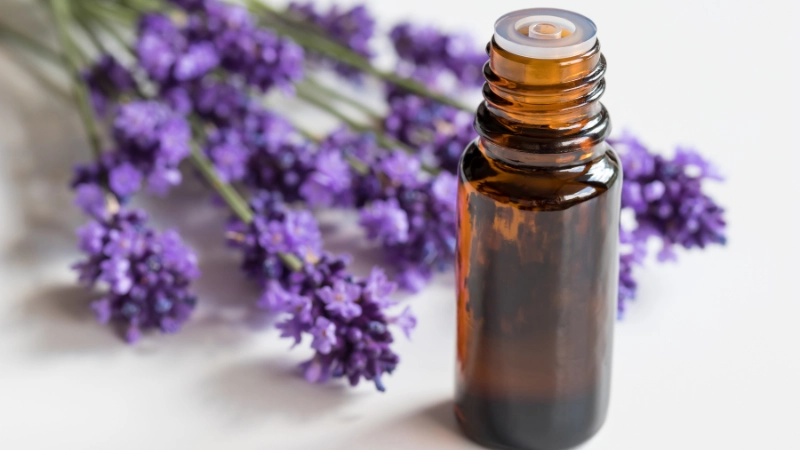
Lavender essential oil is the most dangerous form of lavender for cats. This is because essential oils are highly concentrated versions of the plant. The amount of linalool in lavender essential oil is between 20 to 40 percent. This is a very high concentration that can seriously harm your cat.
When you apply lavender essential oil on your skin or diffuse it in the air, your cat can absorb it in two ways. First through their skin when they come into contact with it. Second through their lungs when they breathe in the air around a diffuser.
Cats do not have the liver enzymes needed to break down these compounds. This means even a small amount of lavender essential oil can build up in their body and cause serious health problems over time.
Never apply lavender essential oil directly on your cat’s fur, skin, or bedding. Even small amounts can be dangerous.
Are Lavender Diffusers Safe for Cats?
No, lavender diffusers are not safe for cats.
Many cat owners use essential oil diffusers at home without knowing the risk. When you diffuse lavender oil, tiny particles of linalool and linalyl acetate float in the air. Your cat breathes these particles in every few seconds while sitting in the same room.

Over time this can cause serious respiratory problems. Cats with existing breathing issues or feline asthma are at even higher risk.
There are two types of diffusers and both carry risk:
Active diffusers like ultrasonic and heat diffusers release oil particles directly into the air. These are the most dangerous for cats because the concentration in the air is very high.
Passive diffusers like reed diffusers and car diffusers release smaller amounts of oil slowly. These are less dangerous but still not safe for cats in enclosed spaces.
If you want to use a diffuser in your home, always keep your cat out of the room completely and ventilate the room well before allowing your cat back in.
Is Lavender Scent Safe for Cats?
Not completely.
The risk depends on how strong the lavender scent is and where it is coming from. Light lavender scent in a very large and open space carries much lower risk than a heavily scented room with a diffuser running.
However you need to understand one important thing. Cats have a sense of smell that is 14 times stronger than humans. What smells light and pleasant to you can feel overwhelming and irritating to your cat.
Even synthetic lavender fragrance used in air fresheners, cleaning products, and fabric sprays can irritate your cat’s eyes, nose, and respiratory system. It does not have to be real lavender oil to cause a reaction.
Signs that lavender scent is bothering your cat include sneezing, watery eyes, shaking their head repeatedly, or leaving the room when you spray something.
Is a Lavender Candle Safe for Cats?
No, lavender candles are not fully safe for cats.
When a lavender candle burns, it releases linalool and linalyl acetate particles into the air along with smoke and soot. These particles settle on surfaces around your home including floors, furniture, and your cat’s bedding. When your cat grooms themselves they can ingest these particles directly.
Paraffin wax candles are the most concerning because they also release VOCs (volatile organic compounds) when burned. These compounds are harmful to a cat’s respiratory system even without any added fragrance.
Beeswax and soy candles burn cleaner and produce less soot. However even an unscented beeswax candle with lavender fragrance added still carries the same scent risk.
The safest option for cat owners is to use unscented beeswax or soy candles only, burn them in well ventilated rooms, and never burn any candle in a room where your cat sleeps or spends most of their time.
Is Lavender Plant Safe for Cats?
No, the lavender plant is also not safe for cats.
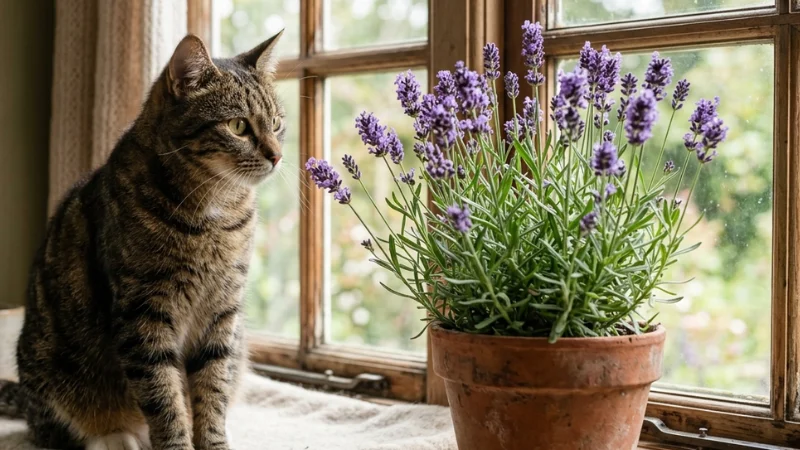
The live lavender plant contains the same toxic compounds as lavender essential oil — linalool and linalyl acetate. However the concentration in the plant is much lower than in the oil. This means the risk from the plant is lower but it is still real.
If your cat chews on lavender plant leaves or flowers they will most likely experience vomiting, drooling, and stomach upset. In most cases this is mild and passes on its own. But if your cat eats a large amount of the plant, more serious symptoms can develop.
Dried lavender also contains these same compounds. Do not assume dried lavender in a bowl or wreath is safe just because it is no longer a living plant.
Is Dried Lavender Safe for Cats?
No, dried lavender is not safe for cats either.
Many cat owners assume that dried lavender is safer than fresh lavender or lavender oil. This is not true. Dried lavender still contains linalool and linalyl acetate. The concentration may be slightly lower than in fresh plants but it is still enough to cause a reaction if your cat chews on it or ingests it.
Dried lavender is commonly found in sachets, wreaths, potpourri, and decorative bundles around the home. These are often placed at low heights where a curious cat can easily reach them. Keep all dried lavender stored in sealed containers or in rooms your cat cannot access.
What To Do If Your Cat Is Exposed to Lavender?
The right action depends on how your cat was exposed.
If your cat touched or licked a lavender plant: Gently wipe their paws and fur with a damp cloth. Do not use soap or any cleaning product on their skin. Offer fresh water and monitor them closely for the next few hours. If vomiting or any other symptoms appear, contact your vet.
If your cat inhaled lavender oil from a diffuser: Turn off the diffuser immediately and move your cat to a room with fresh air. Open windows to ventilate the space. Watch for sneezing, coughing, watery eyes, or labored breathing. If any of these symptoms appear or do not improve within 30 minutes, contact your vet right away.
If your cat ingested lavender essential oil directly: This is a veterinary emergency. Do not wait for symptoms to appear. Do not try to induce vomiting at home. Call your vet immediately or contact the ASPCA Animal Poison Control Center at 888 426 4435. Tell them exactly what your cat ingested and how much if you know.
Cat Safe Alternatives to Lavender
If you love lavender scent and are looking for safer options for a home with cats, here are some alternatives worth considering:
For plants: Spider plants, Boston ferns, Haworthia, and cat grass are all non toxic to cats and are confirmed safe by the ASPCA. These give you greenery in your home without the health risk.
For candles: Unscented beeswax or soy candles are the safest option. If you want light scent, look for candles scented with cedarwood or frankincense in well ventilated areas but, always monitor your cat’s reaction.
For air freshening: Open windows and use an air purifier instead of scented sprays or diffusers. This is the safest way to keep your home smelling fresh without affecting your cat.
Always check the ASPCA toxic plant database before bringing any new plant or scented product into a home with cats.
Frequently Asked Questions About Lavender and Cats
Is lavender safe for cats to smell?
No, lavender is not fully safe for cats to smell especially in concentrated forms. Cats have a sense of smell 14 times stronger than humans. Strong lavender scent from diffusers, candles, or sprays can cause respiratory irritation, sneezing, and watery eyes. Light exposure in a large well ventilated space carries lower risk but complete avoidance is always the safest choice.
Is lavender essential oil safe for cats?
No. Lavender essential oil is the most dangerous form of lavender for cats. It contains 20 to 40 percent linalool which cats cannot process through their liver. Never apply it to your cat’s skin, fur, or bedding and never diffuse it in a room your cat uses.
Is a lavender candle safe to burn around cats?
No. Lavender candles release linalool particles into the air when burned. These particles also settle on surfaces your cat grooms. The safest option is unscented beeswax or soy candles burned in well ventilated rooms with your cat kept away.
What happens if a cat eats lavender?
If a cat eats lavender plant material they will most likely experience vomiting, drooling, and digestive upset. If they ingest lavender essential oil directly this is more serious and requires immediate veterinary attention. Contact your vet or call ASPCA Animal Poison Control at 888 426 4435 right away.
Is dried lavender safe for cats?
No. Dried lavender still contains linalool and linalyl acetate. Keep all dried lavender sachets, potpourri, and decorative bundles stored away from your cat at all times.
Is lavender lotion dangerous if I pet my cat after applying it?
There is a low but real risk. Traces of lavender lotion can transfer from your hands to your cat’s fur and be ingested during grooming. Always wash your hands thoroughly before handling your cat if you have used any lavender scented product.
Are there any cat safe alternatives to lavender?
Yes. For plants, spider plants and Boston ferns are ASPCA confirmed safe. For air freshening, open windows and use an air purifier. For candles, choose unscented beeswax or soy varieties. Always verify any new product against the ASPCA toxic plant and substance database before use.
Final Verdict about Lavender and Cats
No. Lavender is not safe for cats in any form.
The live plant, dried lavender, essential oil, diffusers, candles, and scented sprays all carry real risk for cats. The concentration of linalool and linalyl acetate varies between these forms with essential oil being the most dangerous and the plant being the least concentrated. But no form of lavender carries zero risk for cats.
The safest approach is to remove all lavender from your cat’s environment completely. For more cat health and safety guides visit our Health and Safety section If you have already used lavender around your cat and noticed any unusual symptoms, contact your vet right away.
If you are unsure about your cat’s exposure or want personalized guidance, you can speak to a licensed vet online through our Ask a Vet page anytime.




One Response