


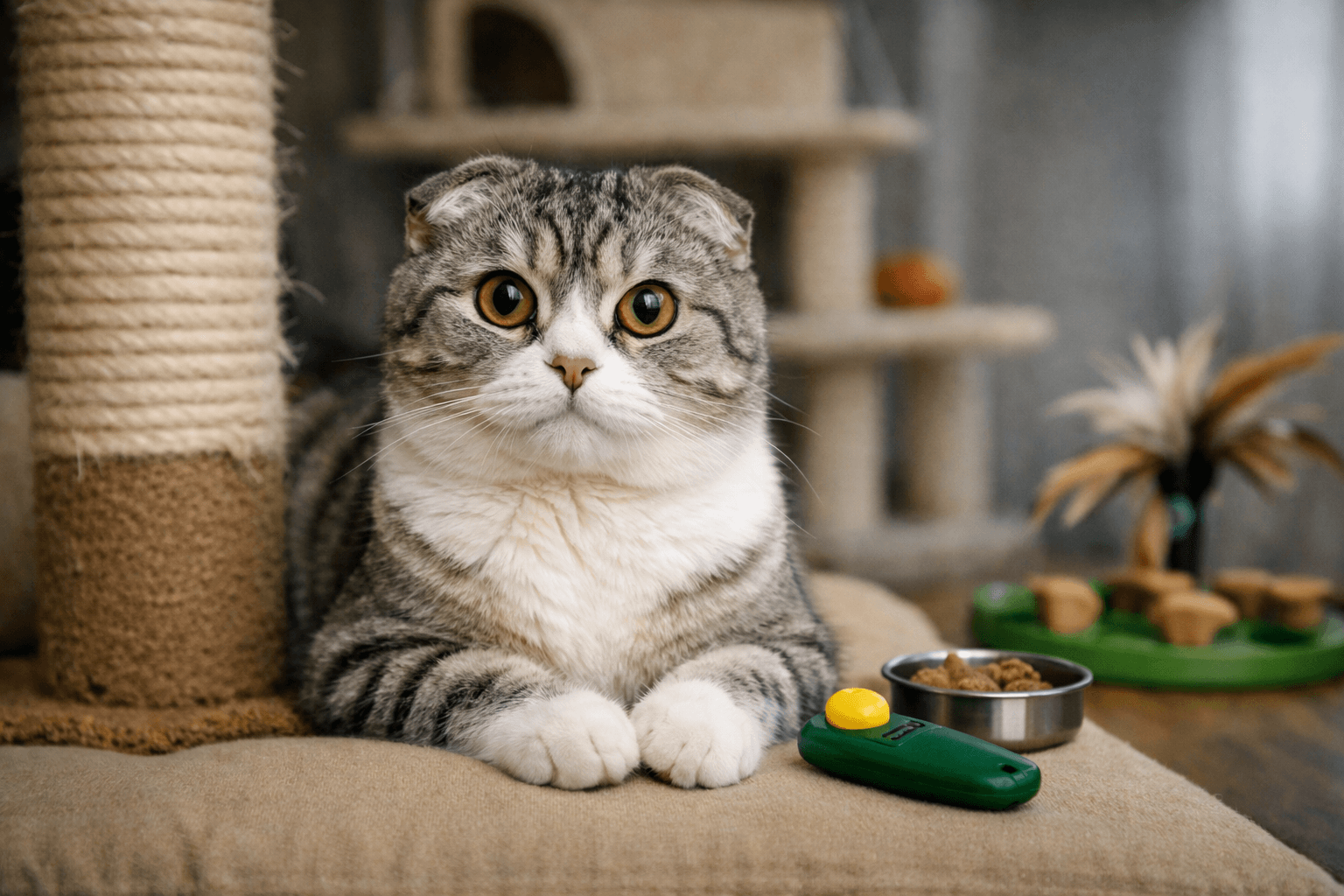
Scottish Fold cat training is an essential part of raising a happy, well‑adjusted kitten. These affectionate “owl cats” are known for their calm temperament and intelligence, which makes them more receptive to structured routines than many other breeds. While cats may not be as trainable as dogs, Scottish Folds respond beautifully to positive reinforcement techniques such as treats, praise, and clicker methods.
With patience and consistency, owners can guide their kittens through litter box training, scratch post use, and even fun commands like sit or high‑five. Early training Scottish Fold kittens not only prevents destructive behavior but also strengthens the bond between cat and human. By focusing on short, engaging sessions, you’ll lay the foundation for lifelong trust and cooperation.
Scottish Fold cat training (Temperament)
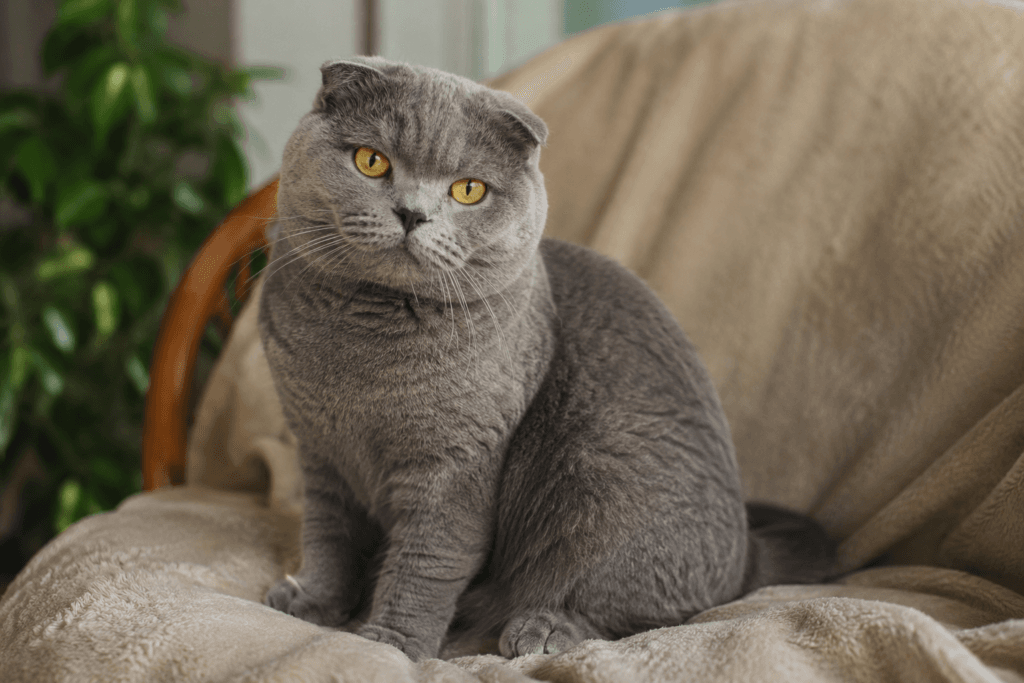
A successful start to Scottish Fold cat training begins with understanding the unique temperament of these affectionate “owl cats.” Known for their calm, gentle nature, Scottish Folds are highly adaptable and thrive in environments where trust and patience are prioritized. Their intelligence and eagerness to please make them more receptive to structured routines compared to many other breeds.
Because they are naturally affectionate and curious, training Scottish Fold kittens is often less about discipline and more about guiding their instincts in the right direction. These cats respond best to positive reinforcement techniques, such as treats, praise, and interactive play. Their quiet personality means they rarely show stubbornness, which allows owners to focus on building confidence through consistent, short sessions.
By recognizing their temperament, owners can tailor Scottish Fold training techniques to match the cat’s personality keeping sessions calm, rewarding, and engaging. This approach not only prevents behavioral issues but also strengthens the bond between kitten and human, laying the foundation for lifelong cooperation.
Litter Box Training
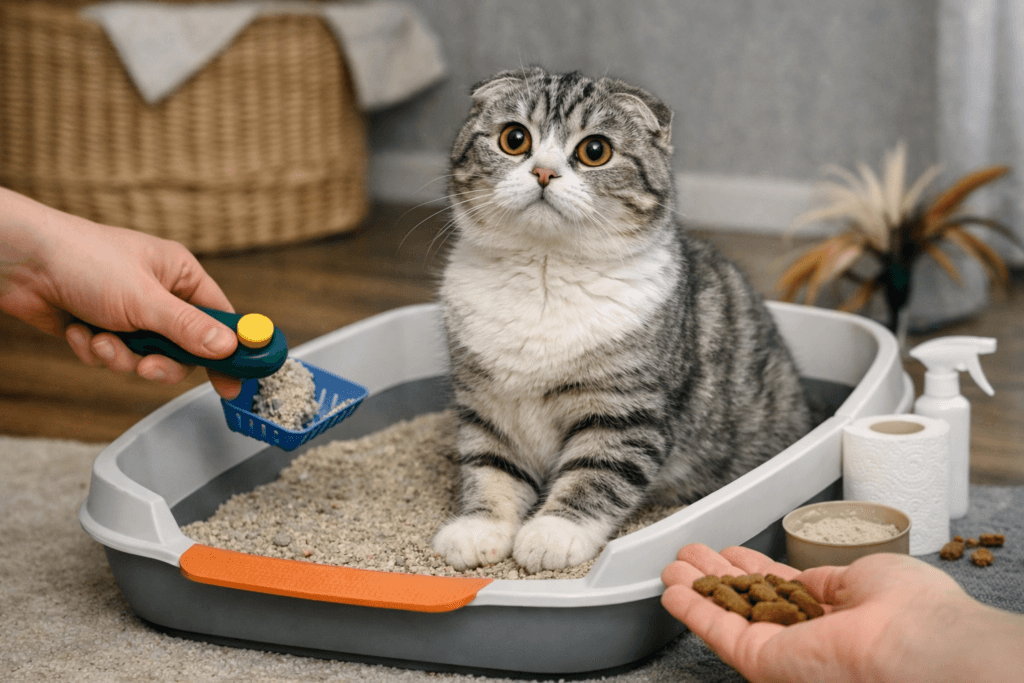
One of the easiest parts of Scottish Fold cat training is litter box training, since these cats are naturally clean and prefer tidy environments. With the right setup and consistency, most kittens quickly learn to use the litter box without much resistance.
Start by placing the litter box in a quiet, accessible area where your kitten feels safe. Keep it clean, as Scottish Folds are sensitive to hygiene. If your kitten scratches elsewhere, gently redirect them to the box instead of scolding. This positive approach reinforces good habits and prevents stress.
Because of their intelligence, litter training Scottish Fold kittens usually requires minimal effort. Owners should focus on consistency and reward offering treats or praise when the kitten uses the box correctly. Over time, this routine becomes second nature, supporting both cleanliness and confidence.
By integrating how to train a Scottish Fold cat with litter box routines, you not only protect your home but also strengthen the bond between you and your kitten. Cleanliness, patience, and gentle redirection are the keys to success.
Scratch Post Training
Scratching is a natural instinct for cats, and in Scottish Fold cat training, it’s important to redirect this behavior rather than punish it. Your kitten will scratch to stretch muscles, mark territory, and keep claws healthy. Instead of scolding, provide designated scratching posts and towers to encourage healthy habits.
Start with a compact post for kittens, then size up to a tall cat tower as they grow. For indoor cats, multi‑level towers with ledges and platforms are ideal, offering both exercise and enrichment. This ensures your Scottish Fold stays active and entertained while protecting your furniture.
Owners should remember that Scottish Fold training techniques work best when paired with patience and consistency. Place posts in areas your kitten naturally gravitates toward, and reward them with treats or praise when they use the post correctly. Over time, this routine becomes second nature.
By focusing on training Scottish Fold kittens with scratch posts, you not only satisfy their instinct but also create a safe, engaging environment. This approach strengthens the bond between cat and owner while promoting long‑term health and happiness.
Clicker Training & Positive Reinforcement
One of the most effective methods in Scottish Fold cat training is clicker training combined with rewards. This technique builds a clear association between the sound of the clicker and the desired behavior, making future sessions smoother and more enjoyable for both cat and owner.
Each time your Scottish Fold performs the correct action, click the device and immediately follow up with a treat or praise. Over time, the kitten learns to connect the sound with success, reinforcing positive habits. This method works especially well for teaching basic commands like sit, stay, or even playful tricks such as high‑five.
Because of their calm and intelligent temperament, training Scottish Fold kittens with clicker methods is straightforward and rewarding. Owners should keep sessions short (5–10 minutes) to match the cat’s attention span, ensuring the kitten remains engaged without becoming bored.
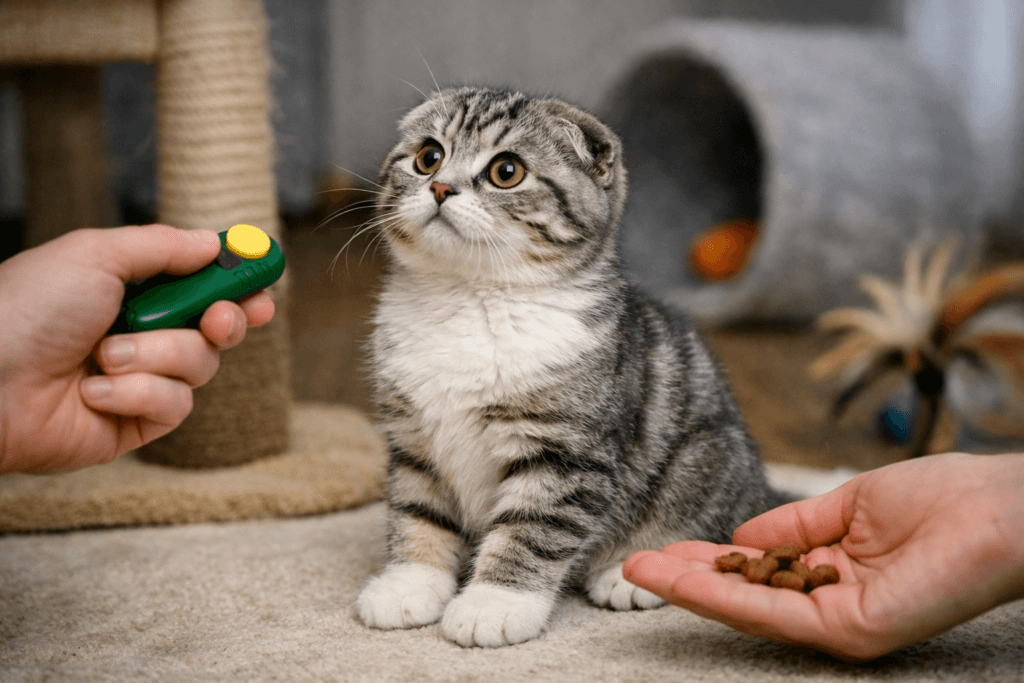
By integrating positive reinforcement techniques into daily routines, you not only encourage good behavior but also strengthen the emotional bond between you and your cat. This approach makes how to train a Scottish Fold cat less about discipline and more about building trust, cooperation, and fun.
Socialization & Enrichment
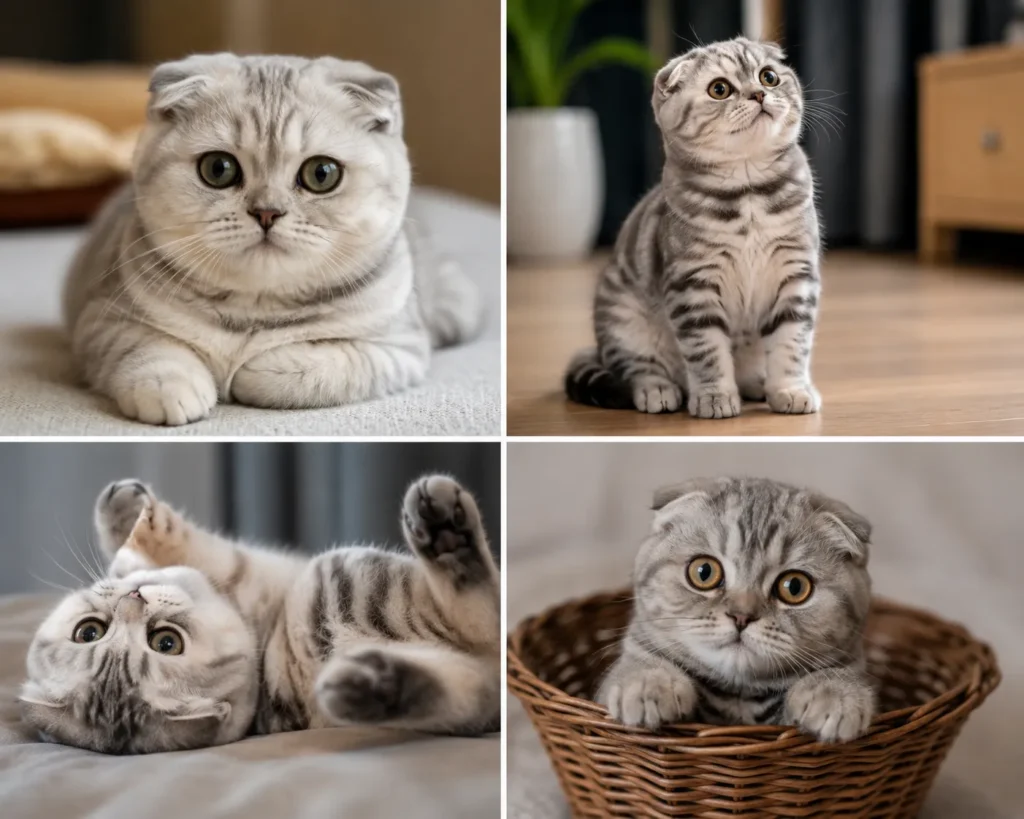
A vital part of Scottish Fold cat training is early socialization and enrichment. From kittenhood, Scottish Folds should be gently introduced to handling, grooming, and carriers so they grow into confident, cooperative adults. Structured exposure builds trust and reduces stress during vet visits or new environments.
Interactive play is equally important. Toys like puzzle feeders, feather wands, and treat dispensers provide mental stimulation and prevent boredom. Rotating toys frequently keeps playtime exciting and ensures your kitten doesn’t lose interest. Owners should also create safe climbing spaces, scratching posts, and cozy resting areas to encourage exploration.
Because of their affectionate and curious nature, training Scottish Fold kittens through enrichment activities strengthens the bond between cat and human. Structured play before bedtime can even reduce night‑time activity, helping kittens settle into a calm routine.
By combining Scottish Fold training techniques with enrichment, owners support healthy development and reinforce positive behavior patterns. For more detailed guidance on kitten behavior and enrichment strategies, you can explore our dedicated resource: Scottish Fold Cat Behavior Training.
Training for Health & Safety
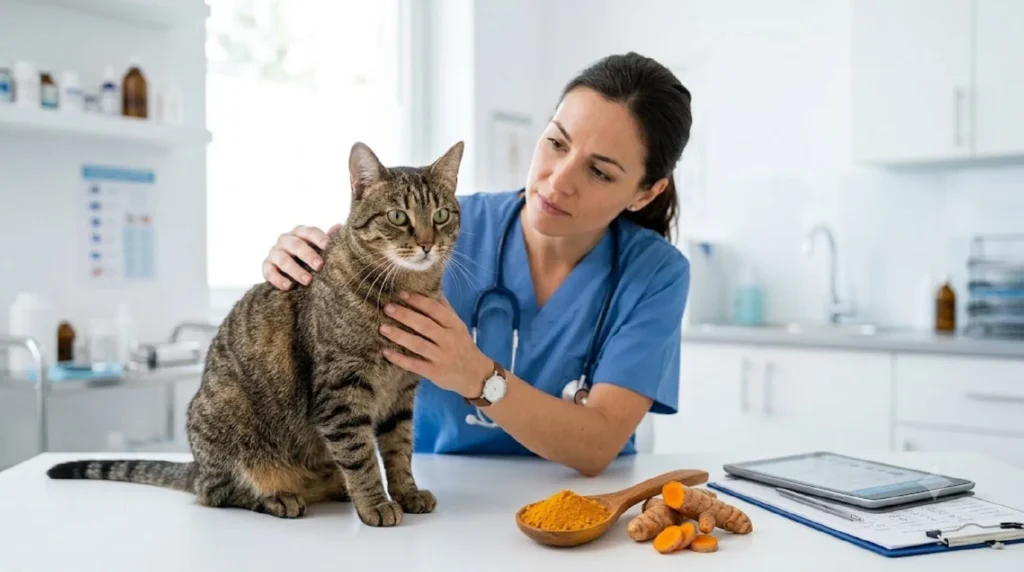
A crucial part of Scottish Fold cat training is preparing kittens for routines that protect their health and safety. Early exposure to grooming, vet visits, and safe boundaries ensures your Scottish Fold grows into a confident, cooperative adult.
Start with grooming acceptance. Introduce brushing, nail trimming, and ear cleaning gradually, pairing each session with treats or praise. This builds trust and makes regular care stress‑free. Carrier training is equally important place the carrier in a familiar space and allow your kitten to explore it freely. Over time, associate the carrier with rewards so vet trips or travel become less intimidating.
Establishing safe boundaries within the home prevents accidents. Redirect kittens from unsafe areas like kitchen counters, electrical cords, or open windows. Instead, provide scratching posts, climbing trees, and cozy resting spots to encourage healthy exploration. Structured routines like these are at the heart of training Scottish Fold kittens, ensuring they adapt positively to their environment.
By combining Scottish Fold training techniques with health and safety practices, owners reinforce good habits while protecting their cats from harm. For more detailed guidance on safe kitten behavior and home routines.
Tips for Training Success
Consistency and patience are the foundation of Scottish Fold cat training. These affectionate cats thrive when owners create short, structured sessions that are fun and rewarding. Always remember that training is about building trust, not control.
Keep sessions brief (5–10 minutes) to match their attention span, and end on a positive note. Use treats, praise, or playtime as rewards to reinforce good behavior. Avoid punishment Scottish Folds respond best to encouragement and gentle redirection.
Because of their calm temperament, training Scottish Fold kittens is often easier than with other breeds. Owners should focus on repetition, reward, and bonding. Over time, this approach makes commands like sit, stay, or high‑five second nature.
Integrating Scottish Fold training techniques with daily routines ensures long‑term success. For example, pairing grooming with treats or linking playtime to enrichment toys helps reinforce positive habits.
Scottish Fold Care & Lifestyle
Beyond Scottish Fold cat training, owners must also focus on daily care and lifestyle enrichment to ensure their cats live long, healthy, and happy lives. Scottish Folds are fairly low‑maintenance compared to other breeds, but they thrive when given consistent playtime, affection, and safe indoor environments.
Regular exercise is essential. Provide climbing towers, scratching posts, and interactive toys to keep them active. Structured play sessions not only prevent boredom but also complement training Scottish Fold kittens, reinforcing good behavior while keeping them physically fit.
Because of their affectionate nature, Scottish Folds prefer spending time with their humans. Owners should balance training with bonding activities like grooming, cuddling, and interactive play. Integrating Scottish Fold training techniques into daily routines ensures that care and lifestyle remain consistent and rewarding.
For more detailed lifestyle guidance, explore related resources on our site:
- Scottish Fold Cat Behavior Training behavior and enrichment strategies
- Scottish Fold Grooming Guide (https://catsmastery.com/cat-care-grooming/) brushing, nail trimming, and ear care
- Scottish Fold Nutrition & Feeding (https://catsmastery.com/cat-food-nutrition diet plans that support training and overall health
By combining care routines with how to train a Scottish Fold cat, owners create a holistic lifestyle that nurtures both physical health and emotional well‑being.
Conclusion
In the end, Scottish Fold cat training is not just about teaching commands, it’s about building trust, confidence, and a lifelong bond with your kitten. These affectionate “owl cats” thrive when owners use patience, consistency, and reward‑based methods to guide their natural instincts.
From training Scottish Fold kittens in litter box routines to introducing scratch posts, clicker methods, and enrichment activities, every step contributes to a healthier, happier lifestyle. Owners who integrate Scottish Fold training techniques into daily care routines ensure their cats grow into well‑adjusted companions.By focusing on positive reinforcement, socialization, and safe boundaries, you’ll master how to train a Scottish Fold cat while nurturing their affectionate temperament. Training becomes more than discipline it transforms into a journey of companionship and mutual respect.
FAQs
Are Scottish Fold cats easy to train?
These intelligent cats are relatively easy to train. They enjoy learning tricks and can even be taught to play fetch! Positive reinforcement methods work best with Scottish Folds. Use treats and praise to encourage good behavior and you’ll have a well-mannered feline friend in no time.
What are the negatives of Scottish Folds?
The main con of Scottish Folds is their genetic condition, Osteochondrodysplasia, which causes painful, progressive arthritis in their bones and joints, leading to mobility issues, stiff tails, and potential crippling deformities, with some cats needing lifelong pain management. Other issues include potential breathing problems (brachycephalic traits), dental problems, deafness (especially in white cats), and communication difficulties due to ear shape.




2 Responses